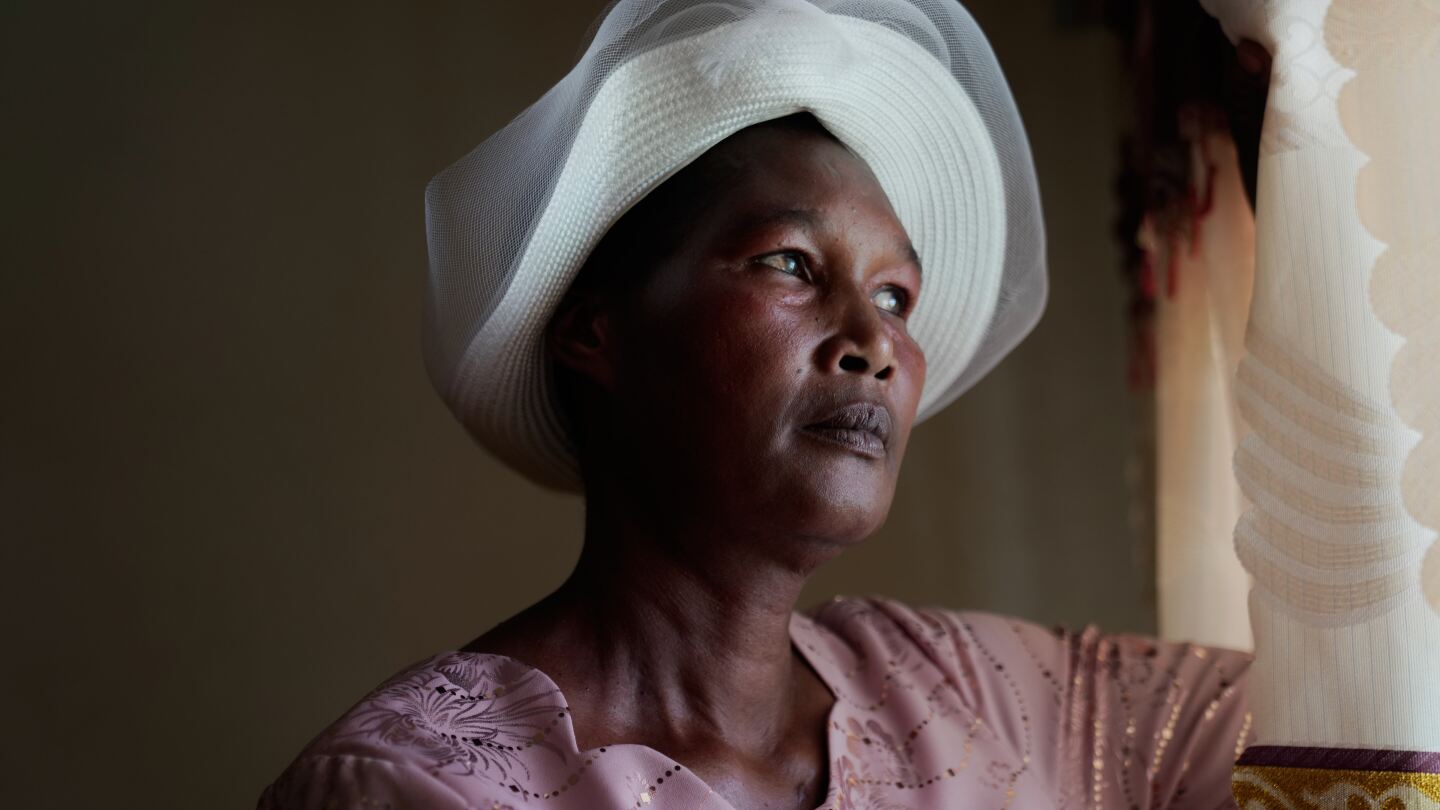
In the rural landscapes of western Kenya, a silent crisis unfolds as thousands of widows face systematic disinheritance through culturally-sanctioned practices that violate constitutional rights. Rebecca Anyango, a 70-year-old widow from Siaya County, embodies this struggle—having occupied her marital home for 26 years, she now confronts eviction threats from her late husband’s family without legal representation to challenge their lawsuit.
The Luo, Luhya, and Kisii ethnic communities perpetuate traditions like ‘sexual cleansing’—requiring widows to engage in intercourse with male relatives to remove widowhood’s ‘dark cloud’—and ‘wife inheritance,’ where brothers of deceased husbands claim widows as spouses. Those resisting such practices, like Anyango, frequently endure isolation and property seizure, directly contravening Kenya’s constitutional guarantee of land ownership for all citizens.
A legislative breakthrough emerged in November 2023 when Siaya County’s assembly unanimously passed the Widows Protection Bill, championed by county legislator Scholastica Madowo. As one of four elected women in the 42-member assembly and a widow herself, Madowo cited the ‘atrocities women endure’ as her motivation. The bill criminalizes forced disinheritance and remarriage and establishes welfare committees to facilitate legal aid access.
Anthropologist Simiyu Waddimba from the University of Nairobi emphasizes that unawareness of legal protections leaves women vulnerable to disinheritance. This reality struck Anne Bonareri in Kisii County, whose in-laws confiscated her home and commercial property within hours of her husband’s 1997 death, leaving her pregnant with three children. After refusing marriage to her brother-in-law, she faced armed attacks but eventually secured land through three jobs.
Her daughter, Emma Mong’ute, founded the Amandla MEK Foundation in 2019, providing legal advisory and pro bono services to disinherited widows. Mong’ute notes that widow disinheritance perpetuates intergenerational poverty, affecting hundreds of thousands of children.
Easter Okech of the Kenya Female Advisory Organization advocates for legal training enabling women to self-represent in court, while encouraging will-writing in rural communities. Some widows, like 87-year-old former teacher Marie Owino, have successfully retained property through financial independence and legal awareness.
Scholars like Misheck Dube, formerly of the University of Limpopo, observe similar tensions between customary and general law across southern Africa, where ethnic traditions often override statutory inheritance protections. As Siaya County awaits the governor’s endorsement of its landmark bill, it signals a potential turning point for gender justice in Kenya’s rural heartlands.