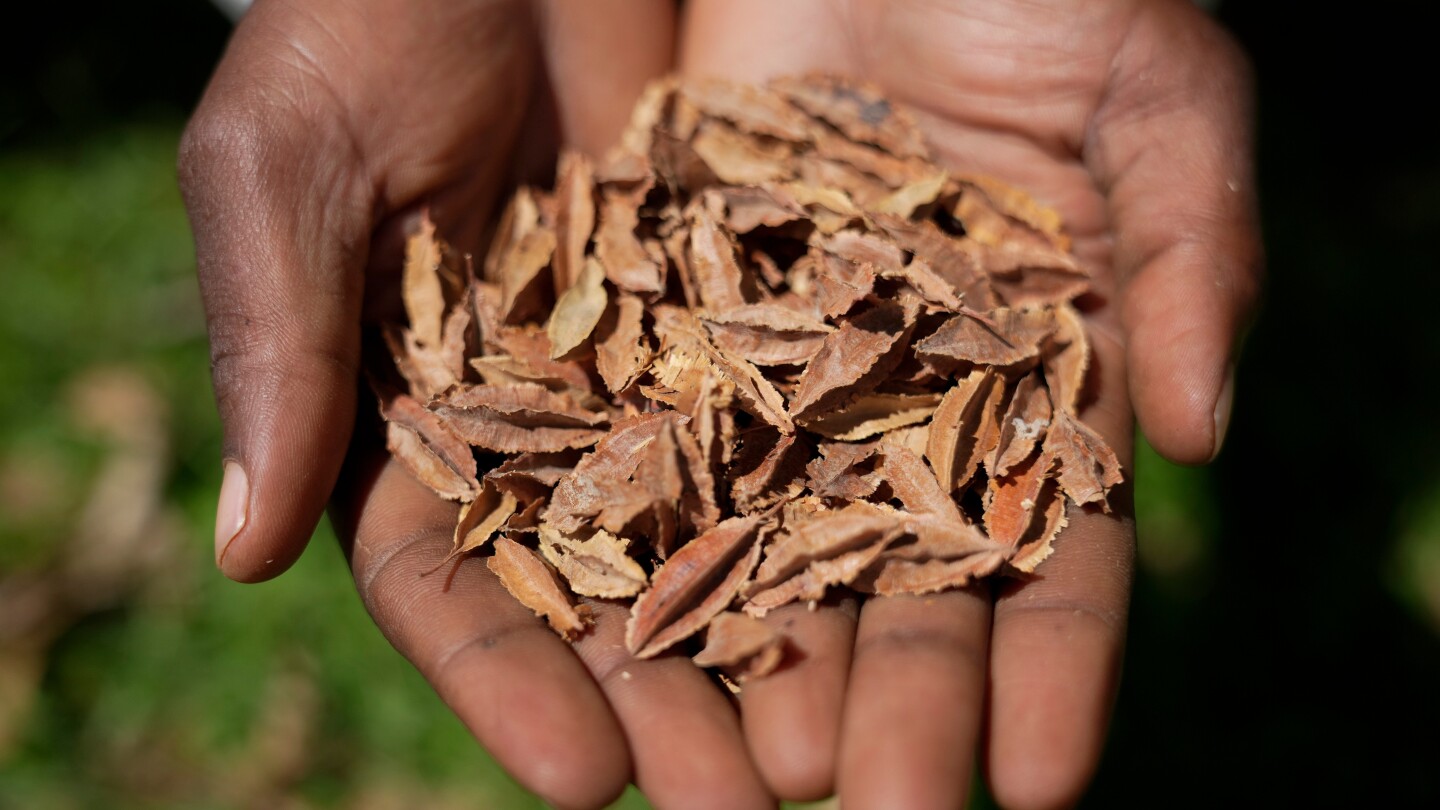
In a groundbreaking judicial decision, Kenya’s High Court has struck down controversial provisions of the nation’s seed legislation that criminalized traditional farming practices. The ruling, delivered Thursday in Kisumu, nullifies sections of the 2012 seed law that imposed severe penalties—including two-year imprisonment and fines equivalent to $7,700—on farmers for sharing indigenous seeds through community seed banks.
Presiding Justice Rhoda Rutto declared unconstitutional the statutory clauses that granted government authorities power to conduct raids on seed banks and confiscate seeds. The original legislation was enacted to combat the proliferation of counterfeit seeds that had caused significant agricultural losses, granting exclusive seed trading rights to licensed corporations.
The case was brought before the court by fifteen smallholder farmers representing community seed banks that have preserved and distributed traditional seeds for generations. Plaintiff Samuel Wathome expressed profound relief, stating: “My grandmother saved seeds, and today the court has said I can do the same for my grandchildren without fear of the police or of prison.”
Environmental and food security advocates hailed the decision as transformative. Elizabeth Atieno of Greenpeace Africa celebrated the outcome as “a victory for our culture, our resilience, and our future,” emphasizing that the ruling challenges corporate dominance over food systems while legitimizing climate-resilient agricultural practices.
The court’s recognition of indigenous seeds—known for their drought resistance and adaptability to local conditions—marks a significant advancement for food security advocates who have long promoted farmer-government collaboration in seed preservation. While Kenya maintains a national seed bank near Nairobi, community-based seed preservation remains crucial for both variety accessibility and geographical convenience for farmers.
This decision emerges against the backdrop of ongoing challenges in Kenya’s agricultural sector, where counterfeit seeds have resulted in massive financial losses for farmers dependent on rain-fed agriculture.