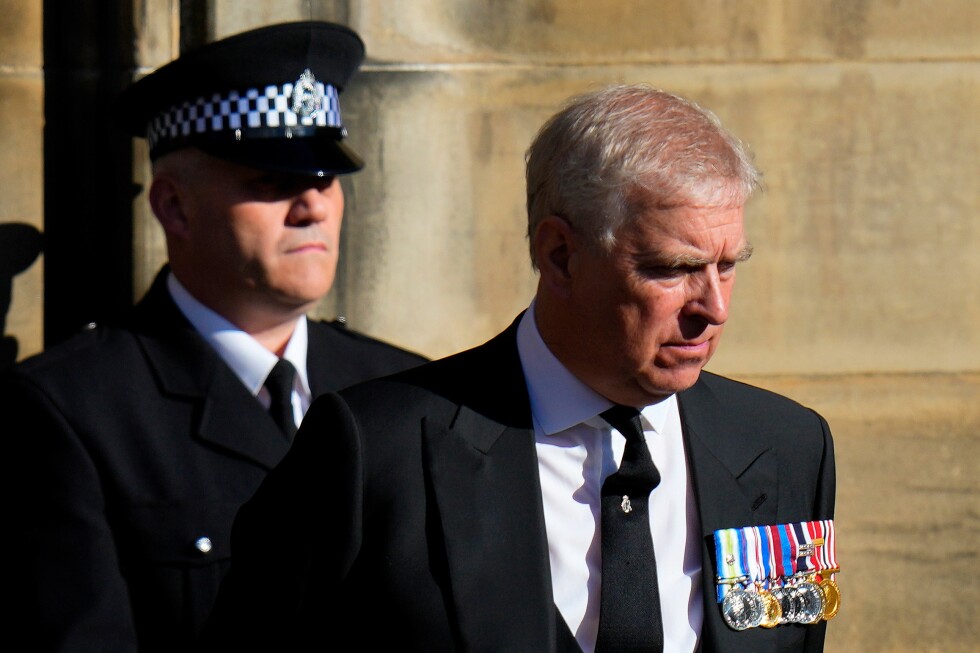
Buckingham Palace faces its most severe constitutional crisis in nearly a century following the dramatic arrest of King Charles III’s brother, Andrew Mountbatten-Windsor, on allegations of misconduct in public office. The 66-year-old royal was detained for eleven hours before being released under ongoing investigation, creating unprecedented turmoil within the House of Windsor.
Despite the seismic developments, senior royals maintained their public engagements with remarkable composure. King Charles attended London Fashion Week openings while Queen Camilla proceeded with a scheduled concert appearance. Princess Anne continued her duties with a prison visit, demonstrating the monarchy’s determination to project stability amid growing scandal.
Historical parallels are being drawn to the 1936 abdication crisis of Edward VIII, though commentators note the current situation lacks clear resolution pathways. The crisis stems from recently released U.S. Justice Department documents detailing Andrew Mountbatten-Windsor’s relationship with convicted sex offender Jeffrey Epstein during his tenure as Britain’s special trade envoy.
The palace has attempted institutional damage control by stripping the former prince of his titles and royal privileges. However, constitutional experts note he remains eighth in line to the throne unless Parliament passes specific legislation for his removal. At least eight British police forces are now examining evidence contained within the Epstein documents.
Royal historian Ed Owens observes this crisis differs fundamentally from previous scandals: “There’s no blueprint to follow in terms of how the monarchy and associated organizations deal with these allegations.” The institution faces mounting pressure for transparency regarding what family members knew about Andrew’s activities during his controversial association with Epstein.
This represents the first major test of King Charles’s reign, occurring amidst rapidly evolving public expectations for accountability from leadership figures. The monarchy’s response will likely determine its relevance in modern British society, with critics arguing the institution was slow to address concerns about Andrew’s connections that have circulated for over a decade.