DHAKA, Bangladesh — Media professionals across Bangladesh issued a collective demand for government protection Saturday following coordinated mob assaults against the nation’s leading newspapers, raising alarms about press freedom under Nobel laureate Muhammad Yunus’s interim administration.
Journalists, editors, and media proprietors convened at a conference organized jointly by the Editors Council and Newspapers Owners Association of Bangladesh, condemning the December attacks on Daily Star (the premier English-language daily) and Prothom Alo (the largest Bengali-language newspaper). Both publications operate from the capital city of Dhaka.
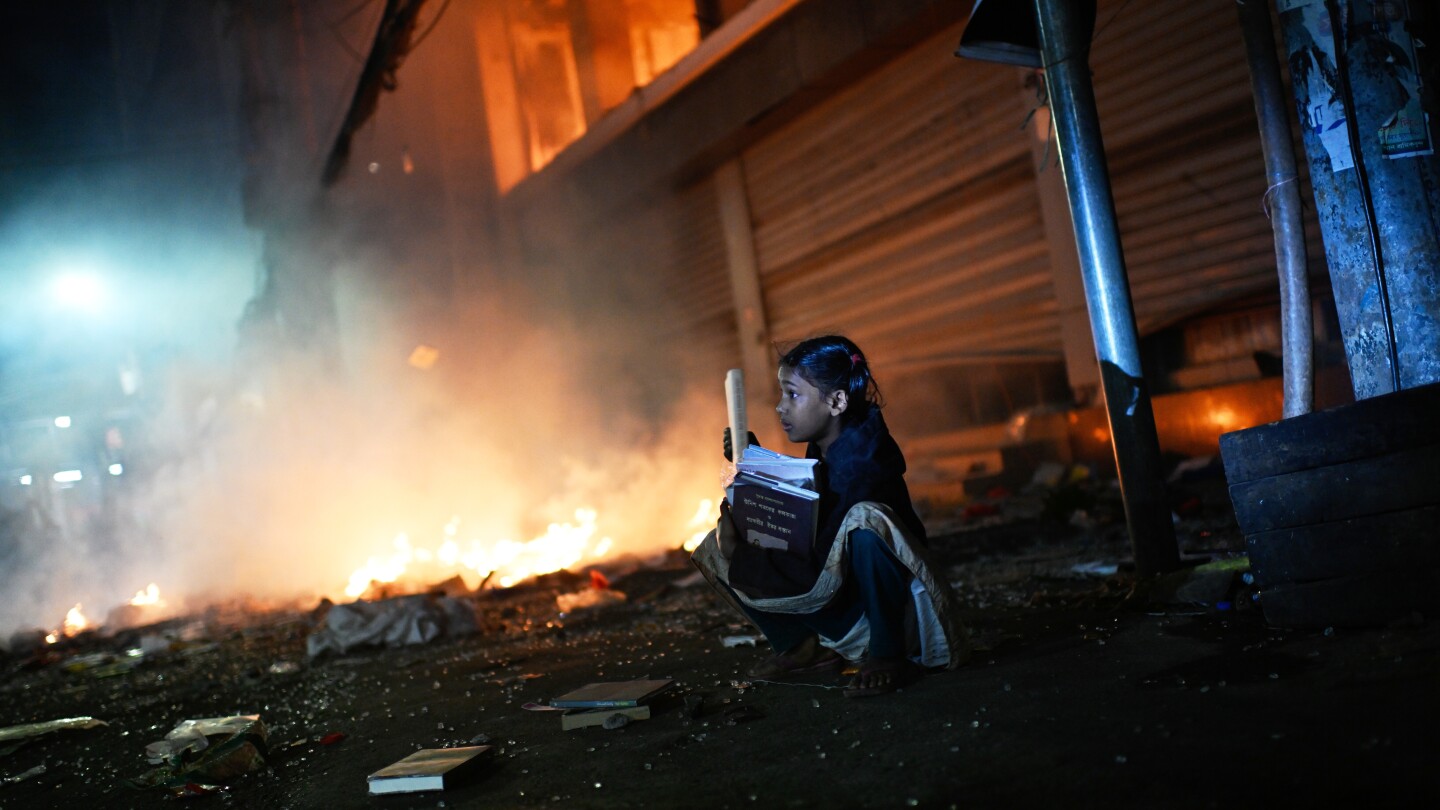
The violent incidents saw enraged mobs storm newspaper offices, set buildings ablaze, and trap staff inside following the death of a prominent Islamist activist. Media authorities accused the interim government of failing to respond to emergency requests for intervention, resulting in extensive property damage and looting. A senior Editors Council representative was physically assaulted when attempting to address the situation on-site.
Simultaneously, liberal cultural institutions in Dhaka faced similar attacks, though the precise motivations remain unclear. Some protesters have previously accused these media outlets of maintaining connections with India.
Editors Council President Nurul Kabir characterized these events as reflecting “a dangerous pattern” of institutional suppression. “Those attempting to silence vehicles of democratic aspiration are employing legislation, force, and intimidation,” stated Kabir, who also edits New Age daily.
The United Nations Special Rapporteur Irene Khan expressed deep concern regarding these developments, noting that “the weaponization of public anger against journalists proves particularly dangerous during election periods.” Khan warned of potential chilling effects on media freedom and minority voices with serious democratic consequences.
Yunus assumed power in August 2024 after former Prime Minister Sheikh Hasina departed amid mass protests. Despite initial stability promises, international human rights organizations including Human Rights Watch and Amnesty International have criticized the administration’s civil rights record. The government faces additional accusations of enabling radical Islamist elements while pursuing legal action against journalists allegedly supporting the previous administration.