In a Wednesday announcement from the White House, U.S. Vice President JD Vance—who has maintained a low public profile through the U.S.-led war against Iran—will front a high-stakes U.S. negotiating delegation traveling to Islamabad, Pakistan on Friday to hash out the next steps for the newly announced U.S.-Iran ceasefire.
Vance will begin formal bilateral and mediation talks in the Pakistani capital Saturday, joined by two of former president Donald Trump’s close personal associates: Steve Witkoff, the administration’s special envoy for global peace initiatives, and Jared Kushner, Trump’s son-in-law and a long-time informal advisor. Unlike Vance and Witkoff, Kushner holds no official position within the current U.S. administration, and both he and Witkoff have already faced public scrutiny over their handling of collapsed nuclear talks with Iran held in February, just days before the U.S. launched joint air strikes against the Islamic Republic alongside Israel.
Pakistan will lead mediation efforts for the talks, with the country’s Prime Minister Shehbaz Sharif, Army Chief Field Marshal Asim Munir, and Foreign Minister Ishaq Dar set to host negotiations. Iran’s delegation will be led by Foreign Minister Abbas Araghchi, as of this writing it remains unconfirmed whether Israel will send any official representative to the direct talks.
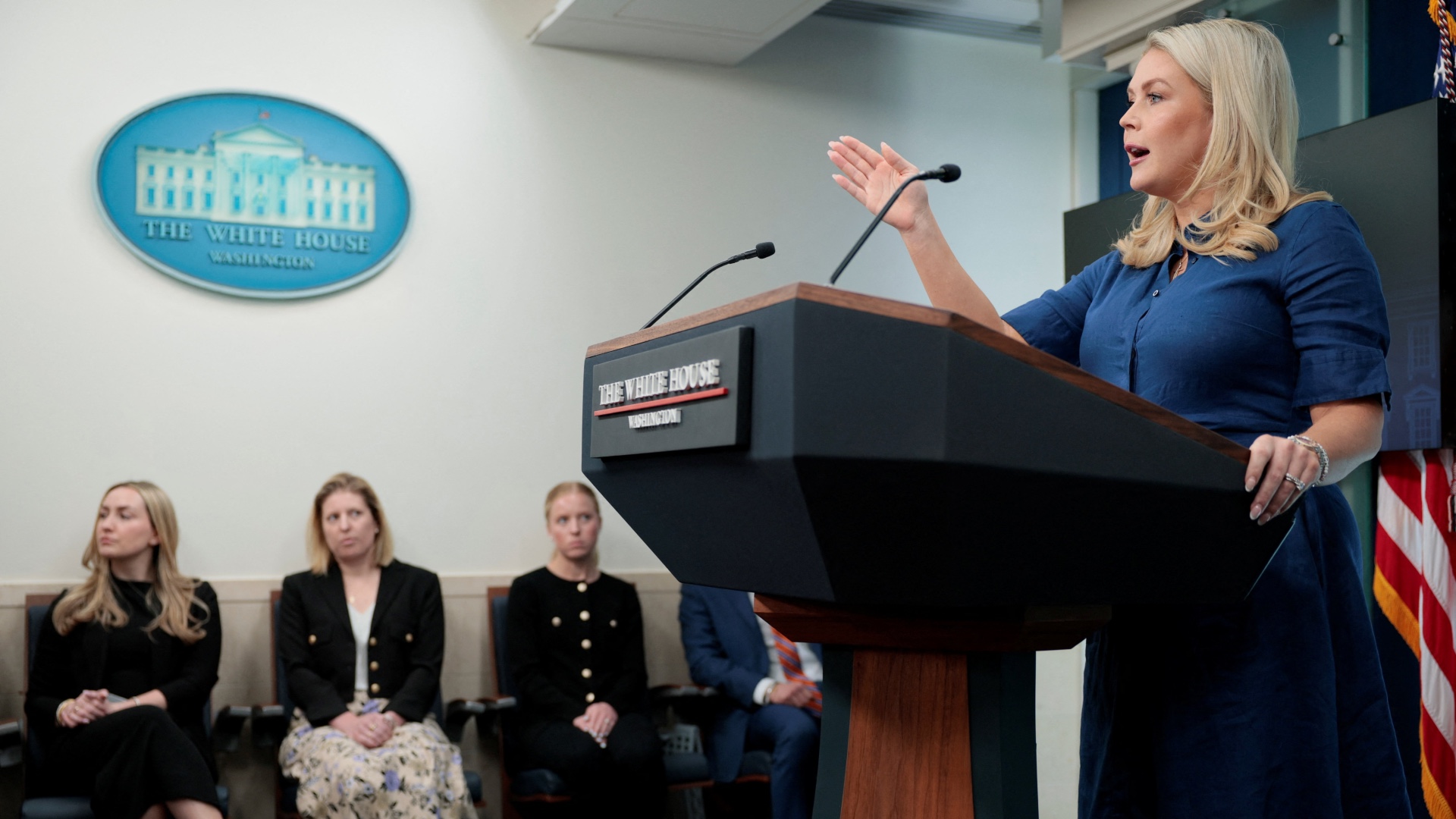
White House Press Secretary Karoline Leavitt pushed back against growing public speculation Wednesday that Vance had been sidelined from the Iran process due to his well-documented anti-interventionist stance, telling reporters that the vice president has held a central, key role in negotiations from their inception. “He is the president’s right-hand man. He is the vice president of the United States. He’s been involved in all of these discussions,” Leavitt said. Her remarks came one day after The New York Times reported Vance was the most vocal opponent of the Iran war among all Trump cabinet members. When the U.S. launched its opening wave of air strikes against Iran on February 28, Vance was notably absent from the secured situation room at Trump’s Florida resort where the president and senior advisors monitored strikes. Instead, official White House photos placed Vance in Washington D.C., alongside Tulsi Gabbard, the Director of National Intelligence and another prominent anti-intervention voice within the administration.
The new round of in-person talks comes just 48 hours after Trump announced a two-week bilateral ceasefire agreement with Iran that includes a commitment to reopen the strategic Strait of Hormuz, a critical global chokepoint for global oil supplies. Iran’s Supreme National Security Council has formally confirmed the ceasefire, framing the agreement as a major strategic victory for Tehran and confirming the truce covers active coflicts across Iraq, Lebanon, and Yemen—one of Iran’s core non-negotiable demands.
But the fragile truce is already facing serious strain just days after it was signed. While Israel has publicly stated it supports Trump’s ceasefire announcement, Israeli officials have insisted the truce does not extend to Lebanon. Pakistan, the lead mediator for the talks, disputes this claim, asserting the ceasefire does cover Lebanese hostilities.
On Wednesday, that contradiction boiled over into violence: Israel launched a massive barrage of missile strikes across Beirut that killed at least 254 people, marking the deadliest single day of violence in the region since the peak of Israel’s military campaign in Gaza, which has killed more than 72,000 Palestinians since October 2023. Leavitt confirmed Wednesday that the U.S. accepts Israel’s position that Lebanon is excluded from the ceasefire, adding that Israeli Prime Minister Benjamin Netanyahu had reassured Trump of his ongoing partnership with the administration. When pressed on whether Israel’s escalated attacks in Lebanon undermine the broader ceasefire with Iran, Leavitt only said the issue would continue to be discussed between Trump and Netanyahu.
Hezbollah, the Lebanese armed group that had observed a November 2024 ceasefire with Israel that Israel has violated thousands of times, resumed rocket attacks against Israel last month after Israel assassinated Iranian Supreme Leader Ayatollah Ali Khamenei. Israel has since launched a full ground invasion of southern Lebanon.
Iran has warned that the escalating attacks on Hezbollah could force it to abandon the ceasefire terms. On Wednesday, the Islamic Revolutionary Guard Corps released a statement carried by Iran’s Mehr News Agency saying, “aggression against the proud Hezbollah is aggression against Iran, and that the battlefield is preparing a heavy response to the Israeli regime’s savage crimes.” By late Wednesday local time, multiple unconfirmed reports of new air strikes targeting Iranian territory emerged, stoking fears that the entire truce could collapse entirely.
On the Strait of Hormuz, Leavitt reaffirmed Wednesday that Trump is demanding the waterway reopen immediately without restrictions, a core precondition of the ceasefire the U.S. accepted Tuesday. She added that shipping traffic through the strait had already seen an uptick on Wednesday, a claim partially corroborated by data from MarineTraffic tracking tool, though the outlet confirmed any observed increase in vessel movement remains minimal.
A key provision of the 10-point ceasefire framework calls for Iran to impose a $2 million transit fee on every commercial vessel passing through the strait, with proceeds to be split between Iran and neighboring Oman. Oman has already publicly rejected the fee provision, stating it will not collect any such charges. The agreement allocates all collected fees to the reconstruction of critical Iranian infrastructure destroyed during the war. Still, amid the escalating violence in Lebanon, Iranian officials have confirmed they are now weighing reimposing full shipping restrictions along the waterway.
During Wednesday’s press briefing, Leavitt also reaffirmed the administration’s core nuclear policy, stating that Iran no longer retains the capability to produce nuclear weapons—a claim the administration first made last year, despite the fact that the Iranian nuclear program was cited as the primary justification for launching the war in February. When pressed on whether the U.S. will still seize Iran’s stockpile of enriched uranium, a top Trump administration priority, Leavitt confirmed the issue remains at the top of the negotiating team’s agenda for the Islamabad talks. “That is a red line that the president is not going to back away from, and he’s committed to ensuring that takes place. We hope it will be through diplomacy,” she said. When reporters asked if Iran had signaled it would agree to hand over the enriched material, Leavitt confirmed Tehran had given such indication. Iran continues to maintain it retains the legal right to enrich uranium for peaceful civilian purposes.