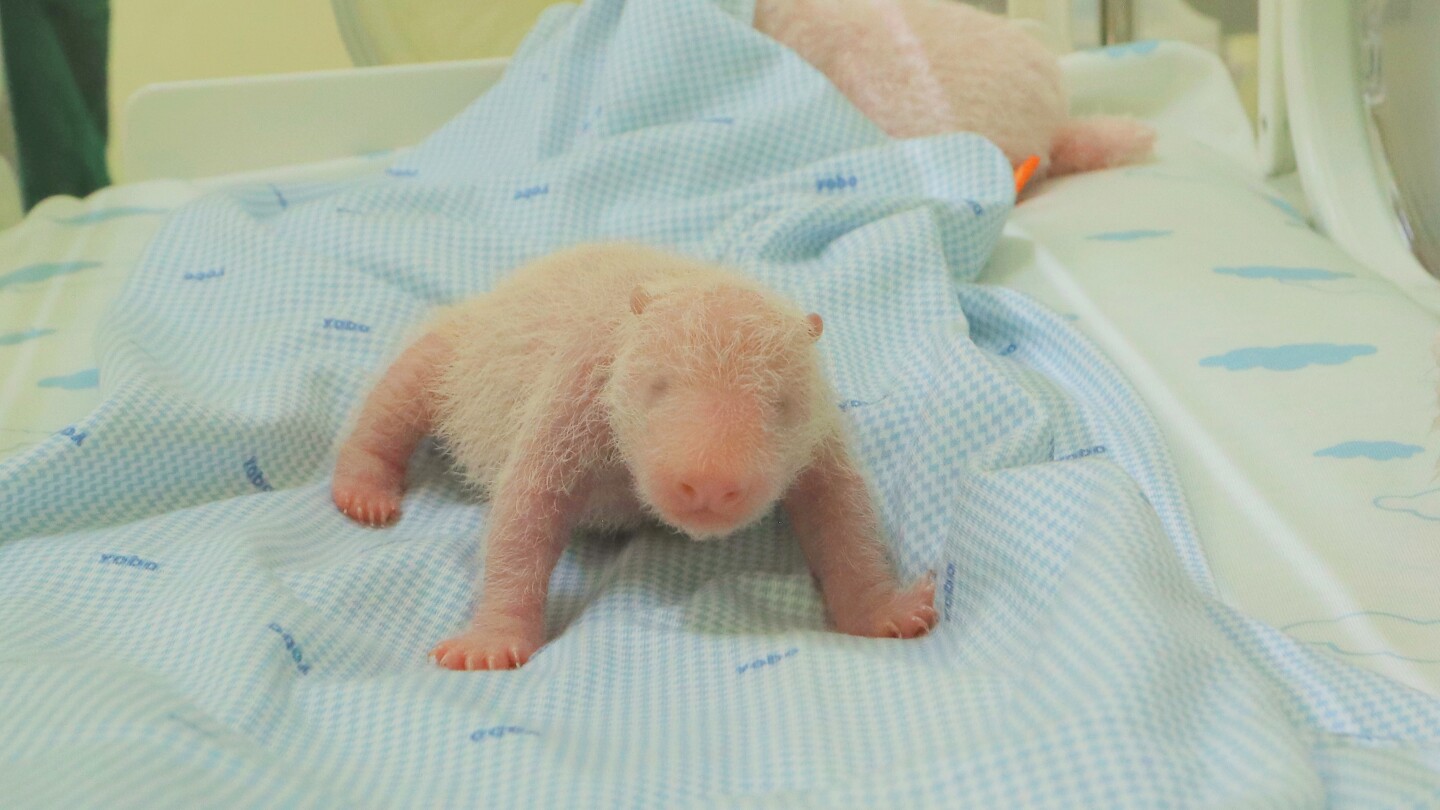
JAKARTA, Indonesia — In a landmark achievement for wildlife conservation, Indonesia’s Taman Safari zoo has welcomed the nation’s first native-born giant panda cub. The male offspring, named Satrio Wiratama with the affectionate nickname Rio, entered the world on November 27th at the zoo’s specialized facility in West Java’s Cisarua region.
The cub’s birth represents the culmination of a decade-long international partnership between Indonesia and China that began with the arrival of parent pandas Hu Chun and Cai Tao in 2017. These magnificent creatures were transferred as part of a comprehensive 10-year conservation agreement designed to protect this vulnerable species.
Rio’s early development indicators are exceptionally promising according to zoo officials. The cub demonstrates robust health through consistent vocalizations, successful nursing patterns, and steady weight progression. Veterinary specialists are conducting round-the-clock monitoring to ensure optimal development during these critical early weeks. The upcoming developmental milestones include improved thermoregulation capabilities, fur maturation, visual awakening, and initial mobility exercises.
Indonesian President Prabowo Subianto formally announced the cub’s symbolic name during a meeting with Wang Huning, China’s prominent political advisor. The name Satrio Wiratama embodies the shared dedication between both nations toward endangered species preservation, reflecting themes of hope and resilience.
The parent pandas reside in a specially designed habitat that zoo officials describe as ‘palace-like accommodations,’ situated approximately 70 kilometers from Jakarta. While public viewing remains temporarily restricted to prioritize the cub’s welfare, the zoo administration has invited collective support for Rio’s continued healthy development.
This birth holds particular significance within the context of panda conservation biology. Giant pandas face substantial reproductive challenges in captive environments, with fewer than 1,900 individuals remaining across their native habitats in China’s Sichuan, Shaanxi, and Gansu provinces. China’s panda loan initiatives with international zoos have historically functioned as instruments of cultural diplomacy while simultaneously advancing global conservation efforts.