In a significant development for Japan’s energy sector, Tokyo Electric Power Company (TEPCO) has successfully reactivated a reactor at the Kashiwazaki-Kariwa nuclear power plant in Niigata Prefecture. This restart on Monday, February 9, 2026, marks a pivotal moment for Japan’s nuclear industry, representing the first operational resumption at this facility since the catastrophic 2011 Fukushima disaster.
The reactivation follows a brief operational suspension caused by an alarm system malfunction in late January, which temporarily halted the carefully planned restart process. The Kashiwazaki-Kariwa plant, recognized as one of the world’s largest nuclear power stations by output capacity, now enters a new operational phase under enhanced safety protocols and regulatory oversight.
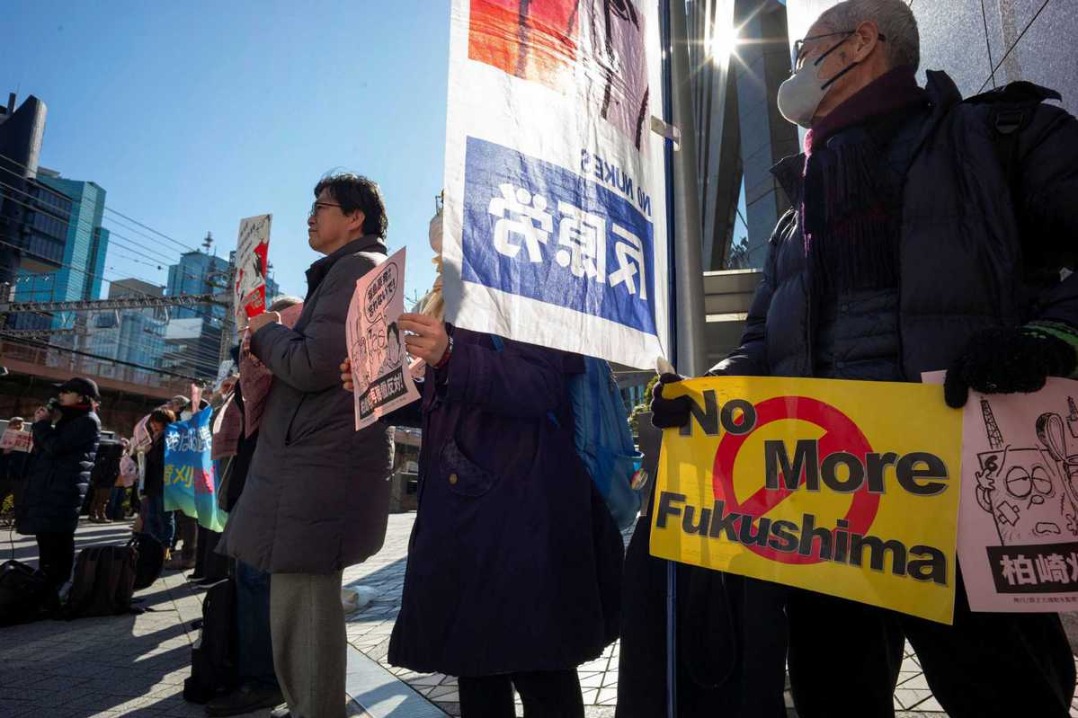
Concurrent with the reactivation, public demonstrations emerged outside TEPCO’s Tokyo headquarters, where protesters voiced strong opposition to the nuclear restart. These demonstrations highlight the persistent societal divisions regarding Japan’s nuclear energy policy, reflecting ongoing concerns about safety and disaster preparedness more than a decade after the Fukushima incident.
The restart occurs within a complex energy landscape where Japan continues to balance its carbon reduction commitments against public safety concerns. This development represents a critical test case for Japan’s revised nuclear regulatory framework and could influence future energy policy decisions across the nation.