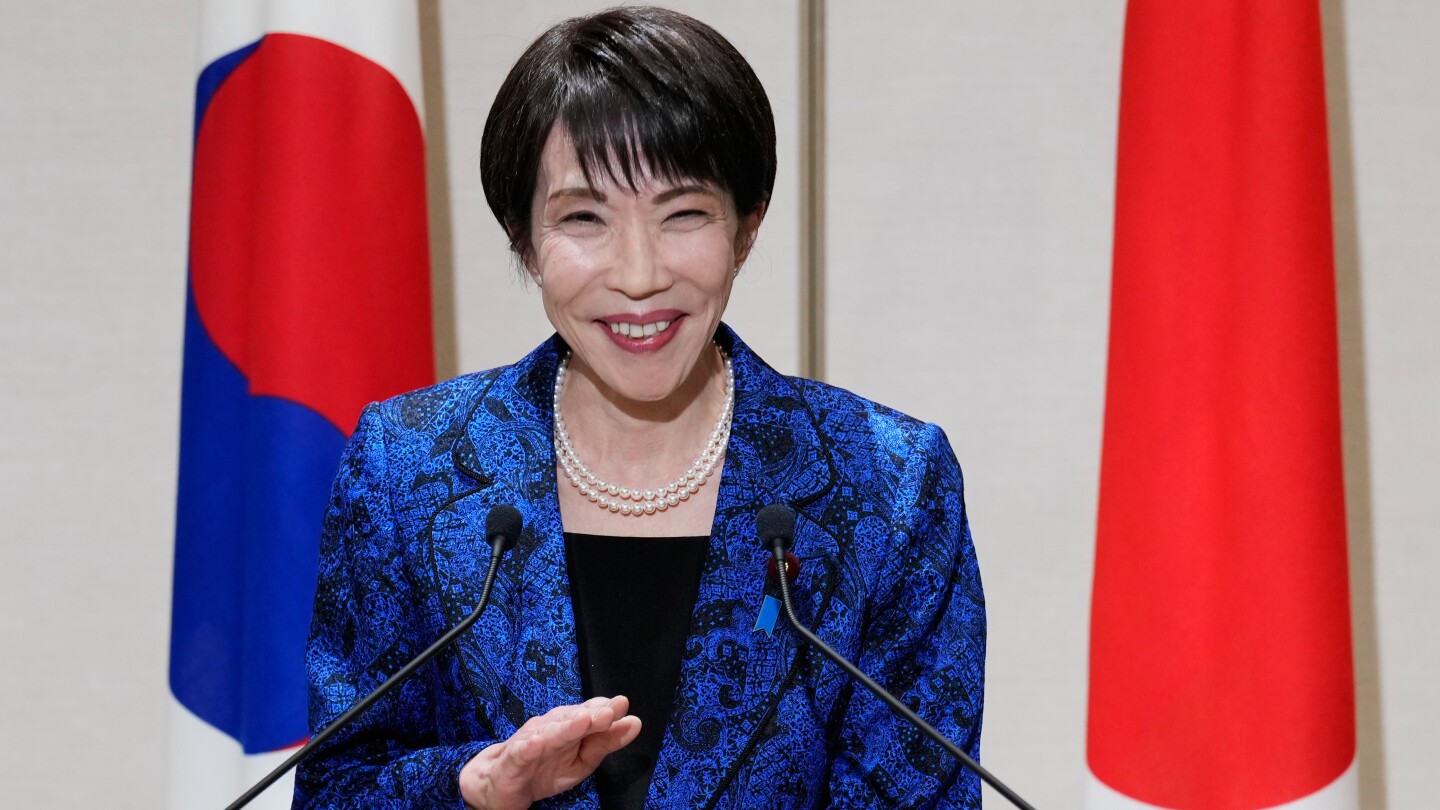
TOKYO — Japanese Prime Minister Sanae Takaichi is preparing to dissolve the lower house of Parliament imminently, setting the stage for a snap general election aimed at securing public endorsement for her policy agenda. The announcement came from Shunichi Suzuki, secretary general of the ruling Liberal Democratic Party (LDP), following high-level consultations on Wednesday.
Takaichi, who made history as Japan’s first female premier in October 2023, currently maintains robust approval ratings approaching 70%. Political analysts suggest this strategic move represents an effort to leverage her personal popularity to strengthen the LDP’s parliamentary position. The governing coalition, recently reconfigured following the departure of centrist partner Komeito, currently maintains a fragile majority in the powerful lower chamber.
The dissolution is expected to occur shortly after Parliament convenes on January 23, with media projections indicating a potential election date as early as February 8. This timeline has drawn criticism from opposition legislators who argue the move would disrupt crucial budget deliberations needed before the new fiscal year begins in April.
Prime Minister Takaichi seeks electoral validation for several key initiatives, including expansive fiscal stimulus measures to address inflation and support low-income households, alongside accelerated military expansion. The recently approved record 122.3 trillion yen ($770 billion) national budget awaits parliamentary authorization, with the election outcome significantly impacting its passage.
The governing coalition now incorporates the conservative Japan Innovation Party as its new junior partner, reflecting Takaichi’s hawkish geopolitical stance and socially conservative values. This political realignment aims to recapture conservative voters who have recently supported emerging populist alternatives. Despite these adjustments, the ruling bloc remains a minority in Japan’s upper legislative house.
The electoral decision coincides with intensified regional diplomacy, coming immediately after Takaichi’s summit with South Korean President Lee Jae Myung in Nara. This foreign policy engagement occurs against a backdrop of heightened tensions with China following controversial remarks about Taiwan early in Takaichi’s administration.