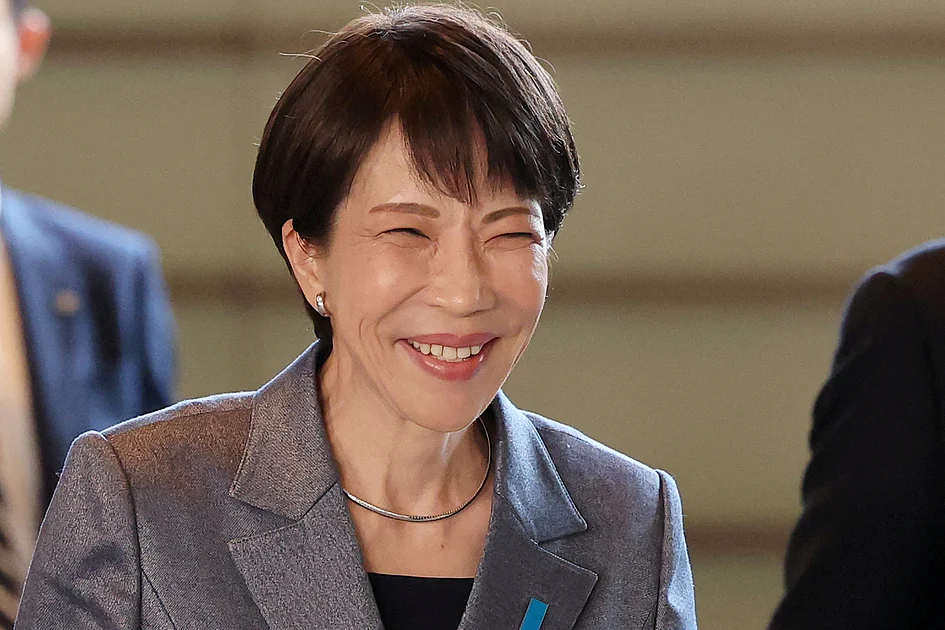
Japanese citizens navigated unprecedented winter conditions on Sunday to participate in a rare February parliamentary election that could significantly strengthen Prime Minister Sanae Takaichi’s political standing. The nation’s first female leader called the snap election to capitalize on her remarkable popularity, particularly among younger voters who have embraced her distinctive leadership style.
Multiple opinion polls indicate Takaichi’s conservative coalition is positioned to secure approximately 300 of the 465 seats in the lower house of parliament, representing a substantial increase from the 232 seats her party previously held. This potential victory comes despite record snowfall that disrupted transportation networks nationwide, forcing cancellation of 230 domestic flights and halting numerous train services and ferry routes.
The election’s timing during severe winter weather—only the third February election in Japan’s postwar history—raised concerns about voter turnout, which could potentially amplify the influence of organized voting blocs. The unusual conditions saw dedicated voters like 54-year-old teacher Kazushige Cho braving below-freezing temperatures and deep snow in mountainous Niigata prefecture to support Takaichi’s Liberal Democratic Party.
Takaichi’s appeal stems from what supporters describe as her straight-talking approach and strong work ethic, generating an unexpected youth-led phenomenon dubbed ‘sanakatsu’ (Sanae-mania). Recent polling indicates over 90% support among voters under 30, though this demographic traditionally demonstrates lower turnout rates than older generations that have historically supported the LDP.
However, the prime minister’s policy agenda has generated international attention and domestic concern. Her nationalistic rhetoric and security-focused platform have heightened tensions with China, particularly following her explicit outline of potential Japanese responses to Chinese aggression toward Taiwan. Additionally, her campaign promise to suspend the 8% sales tax on food to address rising living costs has alarmed investors concerned about Japan’s already substantial debt burden.
Financial markets are closely monitoring the election outcome, with analysts suggesting a strong victory could enable Takaichi to implement her proposed tax cuts, potentially placing additional pressure on the yen. Meanwhile, opposition parties including the newly formed centrist coalition between Komeito and the Constitutional Democratic Party of Japan hope to capitalize on voter concerns about fiscal responsibility and international relations.
Polling stations closed at 8 p.m. local time (1100 GMT), with broadcasters preparing to release projections based on exit polls. If Takaichi’s coalition with the Japan Innovation Party secures a supermajority of 310 seats, she would gain authority to override the upper chamber where her coalition lacks majority control. The prime minister has pledged to resign should her party lose control of the lower house.