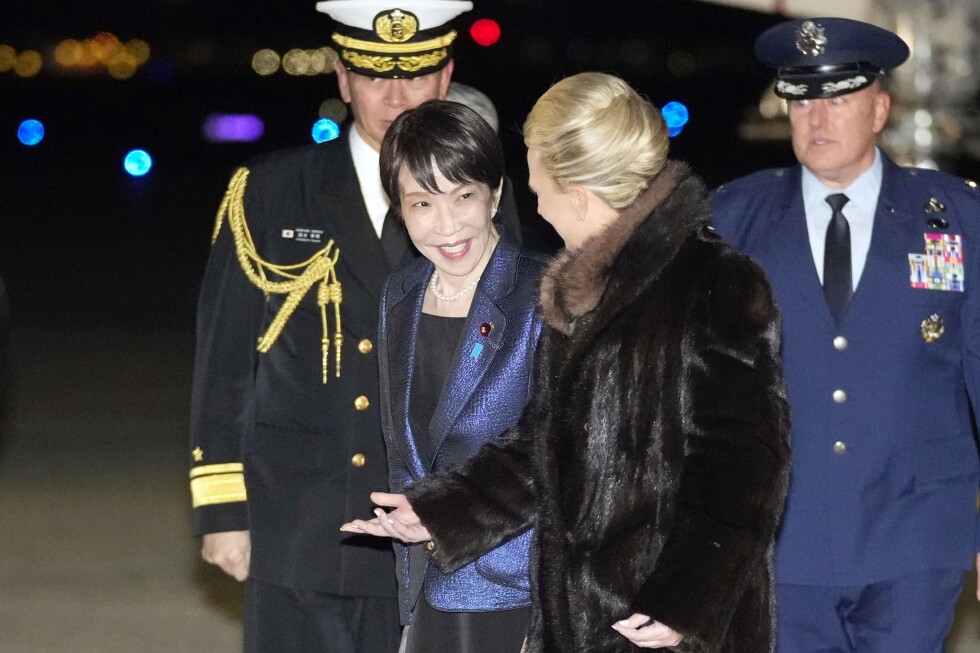
The highly anticipated White House meeting between U.S. President Donald Trump and Japanese Prime Minister Sanae Takaichi on Thursday has transformed from a strategic dialogue into a potentially contentious encounter, overshadowed by the ongoing Iran conflict and diplomatic tensions over maritime security. Originally intended to coordinate positions ahead of Trump’s planned China visit—now postponed—the summit instead faces heightened stakes due to Trump’s public expressions of frustration toward U.S. allies.
President Trump has vocally criticized Japan and other nations for declining his request to assist in safeguarding the Strait of Hormuz, a critical global oil transit route. In a characteristically bold statement on Truth Social, Trump asserted, “WE DO NOT NEED THE HELP OF ANYONE!” despite previously soliciting international support. This shift in tone underscores the challenging diplomatic atmosphere Prime Minister Takaichi anticipated when she described the upcoming meeting as “very difficult” before departing Tokyo.
Japan, bound by its post-World War II constitution which restricts military action to self-defense scenarios, has consistently denied receiving any formal request from Washington to deploy warships to the U.S.-Israeli operation in the region. Kurt Campbell, former U.S. deputy secretary of state and current chair of The Asia Group, noted that Trump is likely to exert “enormous pressure” on Takaichi. Campbell emphasized that the Japanese leader must navigate the discussion carefully to position Japan as a collaborative partner in Middle East security, potentially leveraging this cooperation to gain U.S. support on issues critical to Japan, such as Taiwan.
Beyond immediate regional security concerns, the meeting also occurs against a backdrop of strategic unease in the Indo-Pacific. Japan has expressed growing alarm over China’s military activities, particularly around Taiwan—a self-governed island that China claims as sovereign territory. Takaichi, a conservative leader and protégé of former Prime Minister Shinzo Abe, has previously voiced support for Taiwan, raising tensions with Beijing. Compounding these concerns, the U.S. has redirected some troops stationed in Japan to the Middle East, reducing its deterrent presence in East Asia precisely as China intensifies military exercises near Taiwan.
Christopher Johnstone of The Asia Group pointed out that while Japan could contribute mine-sweeping capabilities or leverage its existing anti-piracy naval presence in the region, participating in a U.S.-led mission would require invoking collective self-defense—a politically monumental step never before taken. The broader implication, Johnstone warned, is that U.S. preoccupation with the Middle East could come at the expense of security and stability in East Asia, where deterrence challenges are mounting.