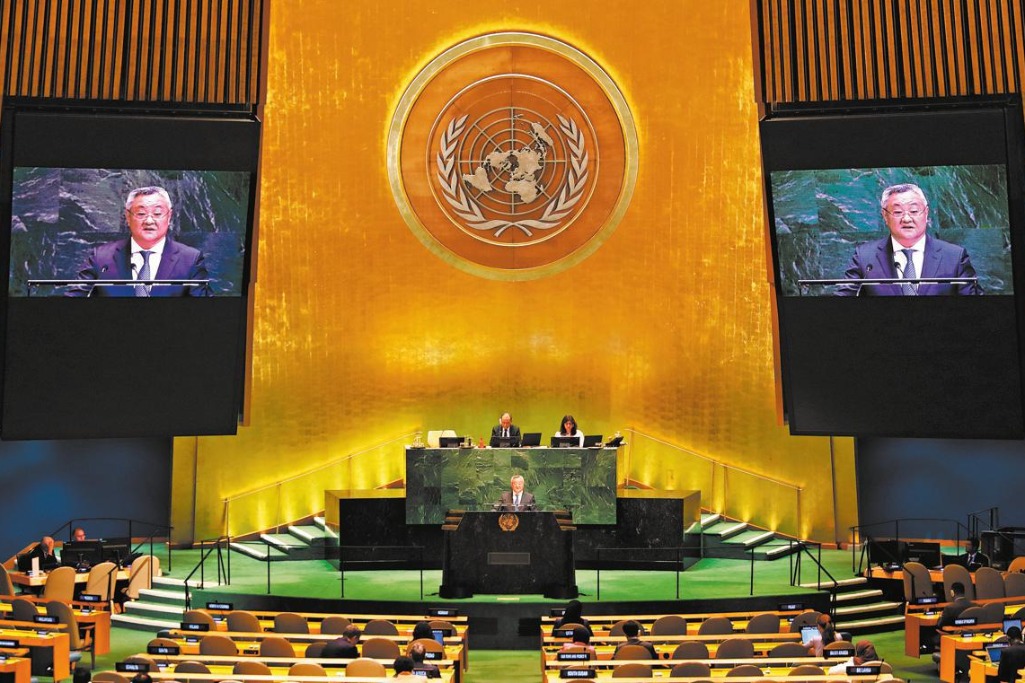
Japanese Prime Minister Sanae Takaichi has drawn sharp criticism for her recent comments suggesting potential military intervention in Taiwan, a move widely seen as an attempt to rally right-wing support and bolster her ruling Liberal Democratic Party (LDP), which recently lost its parliamentary majority. Speaking in Japan’s parliament earlier this month, Takaichi framed such intervention as a response to a ‘survival-threatening situation,’ marking the first time an incumbent Japanese leader has publicly entertained such a possibility. However, her remarks directly contradict Article 9 of Japan’s pacifist Constitution, which renounces war and the use of force in international disputes. Chinese officials and analysts have condemned the comments as a dangerous echo of Japan’s militarist past. Chinese Foreign Ministry spokeswoman Mao Ning highlighted historical parallels, noting that Japan has previously used similar justifications for aggression, including the 1931 Manchurian Incident and the attack on Pearl Harbor. At the UN General Assembly, China’s Permanent Representative Fu Cong argued that Takaichi’s statements undermine the postwar international order and Japan’s commitment to peaceful development. Domestically, Takaichi’s strategy appears aimed at shoring up support among right-wing factions and voters, even as her government faces significant challenges. Critics, including Japanese lawmakers and social media influencers, have warned against escalating tensions with China, emphasizing the potential economic fallout. In response to Tokyo’s refusal to retract Takaichi’s remarks, China has suspended imports of Japanese aquatic products, citing safety concerns and public sentiment. Mao reiterated that Japan would bear full responsibility for any consequences of its actions.