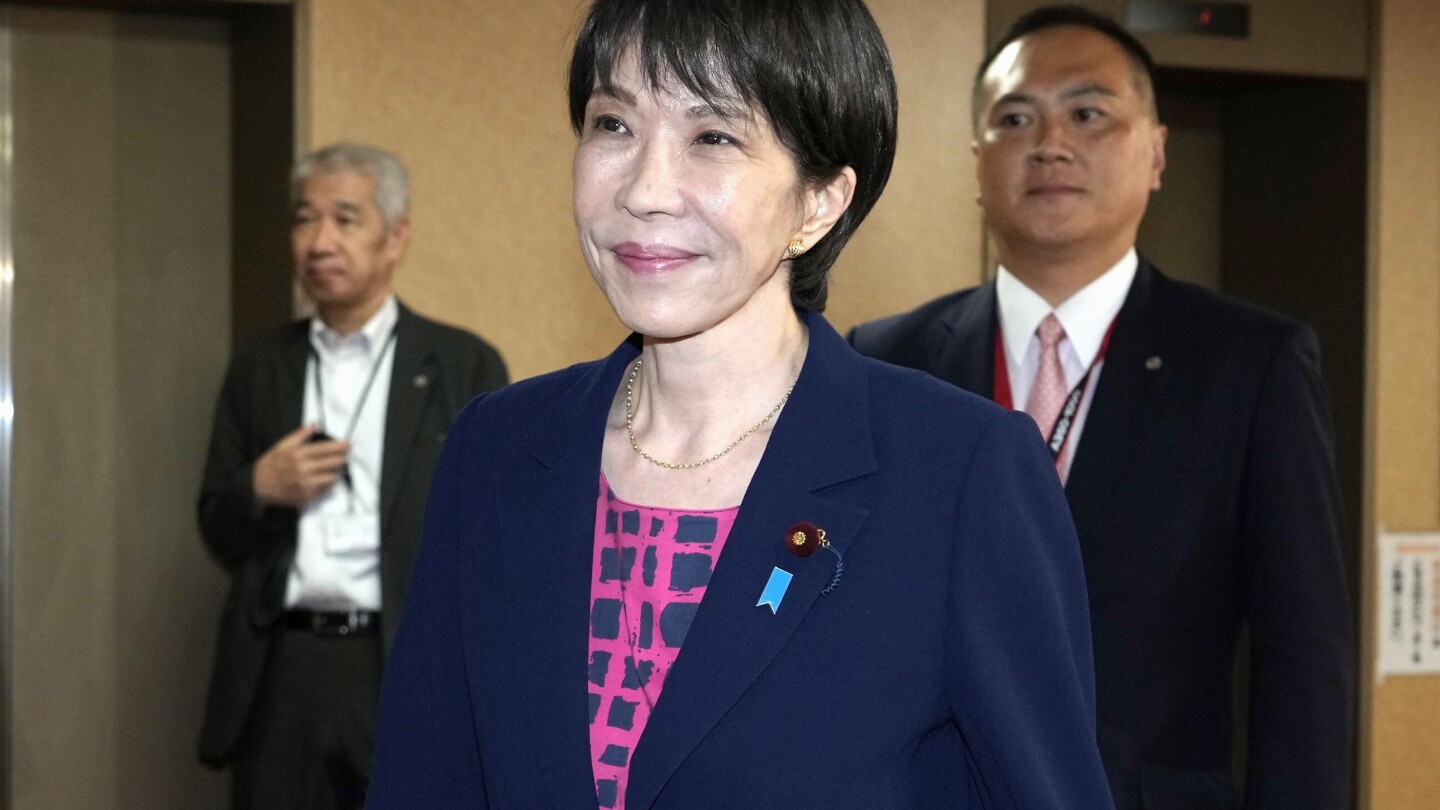
Japan’s parliament is preparing to elect ultraconservative Sanae Takaichi as the nation’s first female prime minister on Tuesday, marking a historic moment in Japanese politics. This development follows a coalition agreement between her struggling Liberal Democratic Party (LDP) and the right-wing Japan Innovation Party (JIP), a move that signals a further shift to the right for the governing bloc. Takaichi will succeed Prime Minister Shigeru Ishiba, whose resignation earlier Tuesday ended a three-month political vacuum triggered by the LDP’s devastating election loss in July. The alliance with JIP ensures Takaichi’s election, as the opposition remains fragmented. However, the coalition lacks a majority in both houses of parliament, raising concerns about the stability and longevity of her government. Takaichi emphasized the importance of political stability during Monday’s signing ceremony with JIP leader Hirofumi Yoshimura, stating that it is crucial for advancing economic and diplomatic measures. The coalition agreement reflects Takaichi’s hawkish and nationalistic views, which have drawn criticism from centrist and dovish factions. The LDP’s recent split with its longtime partner, the Buddhist-backed Komeito, has further complicated the political landscape. Once elected, Takaichi, a protégé of the late Prime Minister Shinzo Abe, is expected to pursue policies focused on strengthening Japan’s military and economy, as well as revising the country’s pacifist constitution. However, her government’s weak parliamentary position and her controversial stances on issues like gender equality, same-sex marriage, and Japan’s wartime history could hinder her ability to implement significant reforms. Takaichi’s premiership comes at a critical juncture, with pressing challenges such as rising prices and public frustration demanding immediate attention.
Japan’s parliament is set to elect Sanae Takaichi as nation’s first female prime minister