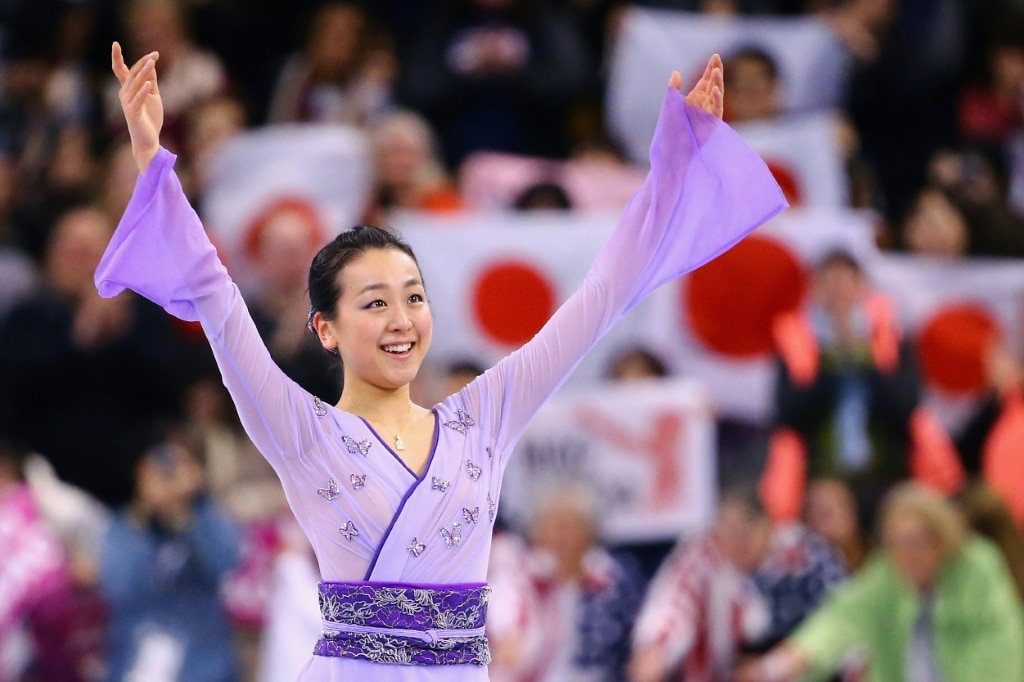
Japan’s transformation into a global figure skating superpower represents one of modern sports’ most remarkable ascensions. From its inaugural Olympic medal in 1992 to its current status as a dominant force, the nation has cultivated an unparalleled skating culture that continues to produce world-class talent.
The legacy began with trailblazer Midori Ito, who captured Japan’s first Olympic silver at the 1992 Albertville Games following her historic 1989 world championship victory. Her groundbreaking achievement as the first woman to land a triple axel in competition demonstrated Japan’s potential on the international stage. “She proved to Japanese skaters that international success was possible,” remarked her coach Machiko Yamada, the 82-year-old matriarch of Japanese skating who subsequently guided world champions Mao Asada and Shoma Uno.
This foundation paved the way for Japan’s golden era. Shizuka Arakawa claimed the nation’s first Olympic gold in 2006, followed by Yuzuru Hanyu’s back-to-back Olympic titles that transformed him into a global phenomenon. Hanyu’s extraordinary popularity spawned the ‘Fanyu’ movement, with devoted followers showering the ice with Winnie the Pooh tributes after his performances, cementing his status as the ‘Ice Prince’ even after his 2022 retirement.
Today, Japan’s skating infrastructure sustains this excellence through intensive development programs. At Tokyo’s Seibu Higashifushimi Figure Skating Club, which trains over 200 skaters aged four to seventy-plus, approximately half of young participants harbor Olympic ambitions. Eleven-year-old Kanon Amagai exemplifies this new generation, having begun skating after being inspired by television broadcasts. “Now I can jump but I still need to work on my spins,” she noted during practice sessions.
Coach Yuka Ishikawa attributes Japan’s success to cultural meticulousness: “Japanese people pay attention to the finest of details when they practise. I think this is part of the Japanese character and culture.” This systematic approach maintains exceptionally high standards, with reigning world champion Kaori Sakamoto noting that “everyone works so diligently and pushes each other to improve.”
The pipeline continues with prodigies like Mao Shimada—named after Asada—who has dominated junior world championships despite being too young for Olympic eligibility. As Japan’s skaters prepare for the Milan-Cortina Games, they carry both the legacy of past champions and the promise of future greatness, sustained by a nationwide passion that transforms television inspiration into Olympic aspiration.