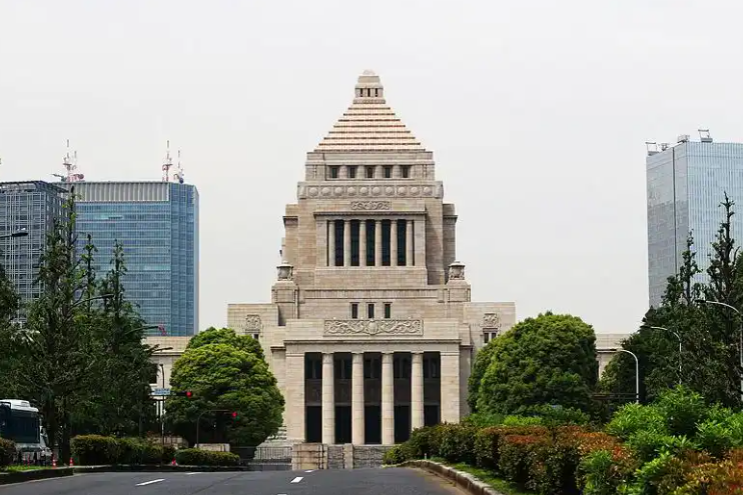
Japan’s political arena entered a period of significant transition on January 23, 2026, as the nation’s lower legislative chamber was formally dissolved, setting the stage for an unexpected snap election. This constitutional procedure marks a pivotal moment in Japan’s democratic processes, effectively terminating the current parliamentary session and compelling all 465 sitting representatives to seek renewed electoral mandates.
The dissolution ceremony, presided over by Speaker Hiroyuki Hosoda in a solemn proceeding, saw legislators receive their official notices of termination amid the traditional shouts of ‘Banzai’ that characterize Japanese parliamentary conclusions. This procedural dissolution paves the way for what political analysts anticipate will be a fiercely contested electoral battle, with campaigning expected to commence immediately ahead of the projected polling date.
This political development occurs against a complex backdrop of both domestic and international challenges, including economic pressures, regional security concerns, and ongoing global supply chain disruptions. The election outcome will determine the composition of Japan’s legislative body at a particularly consequential juncture in East Asian geopolitics, with implications for everything from trade policy to national security strategy.
The dissolution mechanism, embedded in Japan’s post-war constitution, represents a fundamental aspect of the country’s parliamentary democracy, allowing for fresh electoral mandates and potential shifts in governmental direction. As candidates prepare to hit the campaign trail, observers worldwide will be monitoring how Japan’s electorate responds to the competing policy visions presented by the various political factions vying for parliamentary dominance.