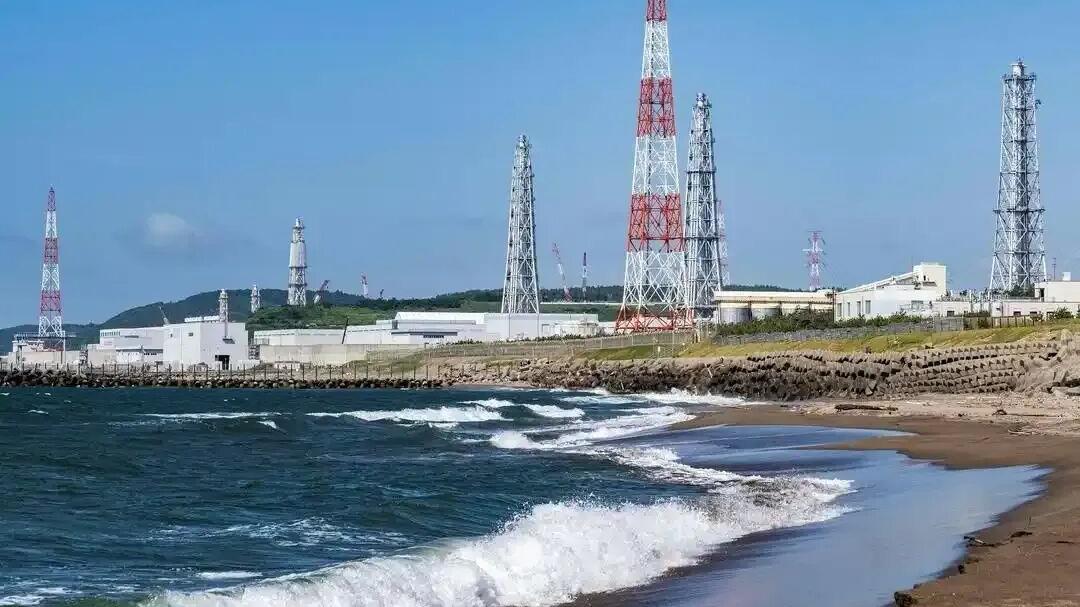
In a landmark development for Japan’s energy sector, Tokyo Electric Power Company (TEPCO) has successfully recommenced electricity generation and transmission from its Kashiwazaki-Kariwa nuclear facility in Niigata prefecture. This reactivation marks the first operational resumption of a TEPCO-controlled nuclear unit since the catastrophic Fukushima Daiichi incident in March 2011.
The Number 6 reactor at the plant initiated power delivery to the Tokyo metropolitan grid at 10:00 PM local time on Monday, ending an approximate 14-year suspension of nuclear energy distribution. The restart follows extensive safety evaluations and represents a pivotal moment in Japan’s gradual return to nuclear power generation.
According to the operational timeline, TEPCO will incrementally increase the reactor’s output capacity to 50% of its maximum 1.35-million-kilowatt potential before implementing a temporary shutdown later this week. This planned pause will facilitate comprehensive testing of the power-generation infrastructure. Provided all systems perform within expected parameters, the utility company anticipates elevating output to full capacity and initiating commercial operations by March 18.
The Kashiwazaki-Kariwa facility, situated approximately 220 kilometers northwest of Tokyo, holds distinction as the world’s largest nuclear power plant by potential generation capacity. Despite its technical significance, the reactor’s reactivation has encountered substantial opposition from local communities and seismic experts who contend the plant resides above an active geological fault line, raising ongoing safety concerns.