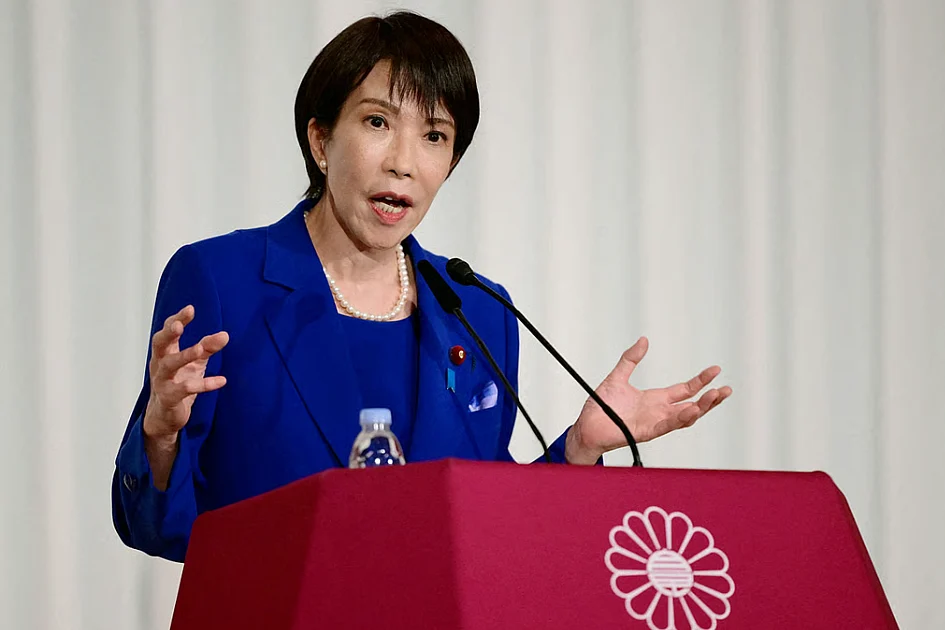
In a historic winter election marked by record snowfall, Japanese Prime Minister Sanae Takaichi has secured a commanding parliamentary majority, positioning her conservative government to implement controversial economic reforms and military expansion policies. Official projections from public broadcaster NHK indicate Takaichi’s Liberal Democratic Party (LDP) and its coalition partner, the Japan Innovation Party (Ishin), captured a supermajority of 328 seats in the 465-member lower house.
The 64-year-old leader, frequently compared to Britain’s Margaret Thatcher for her staunch conservative stance, called the rare February election to capitalize on her substantial personal popularity since assuming leadership of the long-ruling LDP late last year. Voters braved severe winter conditions, with some polling stations closing early due to unprecedented snowfall, demonstrating significant public engagement with Takaichi’s policy platform.
Her victory signals a dramatic political turnaround for the LDP, which had lost control of both parliamentary chambers under previous leadership. Political analysts attribute her success to an effective social media strategy and resonance with younger voters, sparking what has been termed ‘sanakatsu’ or ‘Sanae-mania’ across Japan.
The Prime Minister’s agenda includes suspending the 8% sales tax on food items to address rising living costs—a measure that has unsettled financial markets concerned about Japan’s substantial public debt. Simultaneously, Takaichi has pledged to strengthen military capabilities amid growing regional tensions, particularly regarding Taiwan, which has significantly strained relations with China.
International responses have been notably divided. U.S. President Donald Trump offered his ‘total endorsement’ and extended an invitation for a White House meeting next month. Conversely, Beijing has expressed strong opposition to Takaichi’s national security posture, implementing economic countermeasures including travel advisories against Japan. Defense Minister Shinjiro Koizumi emphasized the government’s intention to pursue dialogue with China while advancing defense enhancement policies.
Business leaders have welcomed the election outcome as restoring political stability, with Keidanren head Yoshinobu Tsutsui noting Japan’s economy stands at ‘a critical juncture for achieving sustainable and strong growth.’ The decisive victory provides Takaichi with a strong mandate to pursue her dual agenda of economic stimulus and security reinforcement, though implementation challenges remain regarding fiscal sustainability and diplomatic relations.