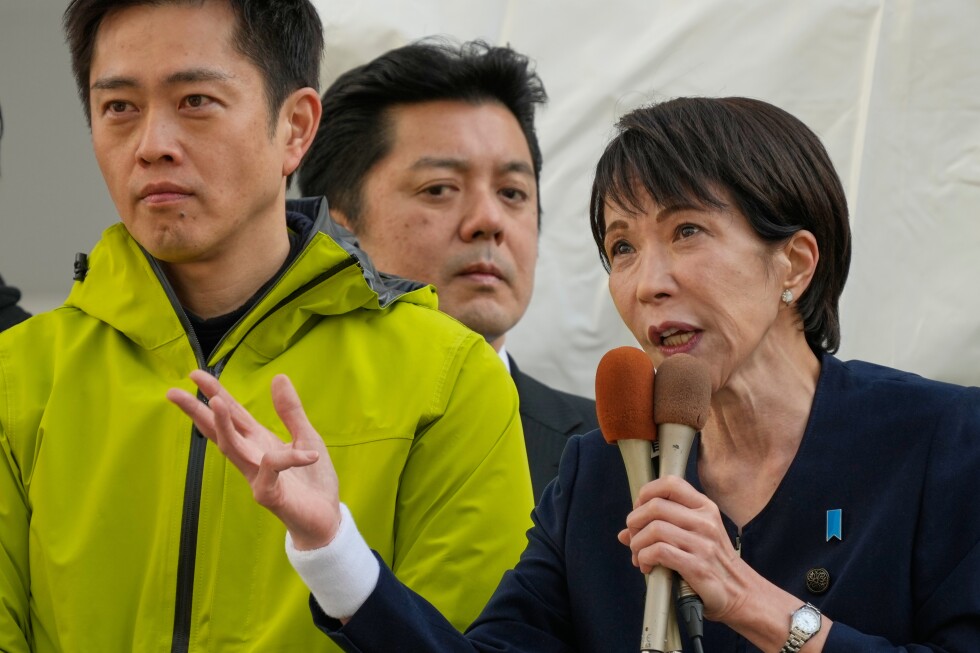
TOKYO — Japan stands at a political crossroads as Prime Minister Sanae Takaichi’s conservative government faces a snap election that could dramatically reshape the nation’s security and economic policies. The ultraconservative leader, who made history as Japan’s first female prime minister in October, has built substantial public support through her assertive leadership style and economic focus, particularly resonating with younger demographics.
Current polling indicates Takaichi’s Liberal Democratic Party (LDP) is positioned for a decisive victory, potentially securing an outright majority in the 465-seat lower house. The ruling coalition with the right-wing Japan Innovation Party (JIP) could capture up to 300 seats, significantly expanding their legislative power. This stands in stark contrast to the fragmented opposition, which has struggled to present a unified front despite forming new centrist alliances.
The election represents a critical test for Takaichi’s controversial agenda, which includes substantial military expansion, revised security policies, and tougher immigration measures. She has framed the election as a referendum on her leadership, stating she would resign if the LDP fails to secure a majority.
A potential coalition victory would accelerate Japan’s rightward shift, with implications for regional security amid growing tensions with China and pressure from the Trump administration to increase defense spending. The Prime Minister recently faced diplomatic challenges after suggesting possible Japanese involvement in potential Taiwan conflicts, triggering economic retaliation from Beijing.
Meanwhile, the opposition centrist alliance, led by the Constitutional Democratic Party of Japan and the Buddhist-backed Komeito party, promotes more moderate policies including nuclear non-proliferation and diversity initiatives. However, surveys indicate their messaging has failed to gain significant traction with voters.
Election dynamics are complicated by several factors: record snowfall in northern Japan that may suppress turnout, ongoing scandals regarding LDP’s ties to the controversial Unification Church, and questions about whether Takaichi’s personal popularity among young voters will translate into actual votes for her party.