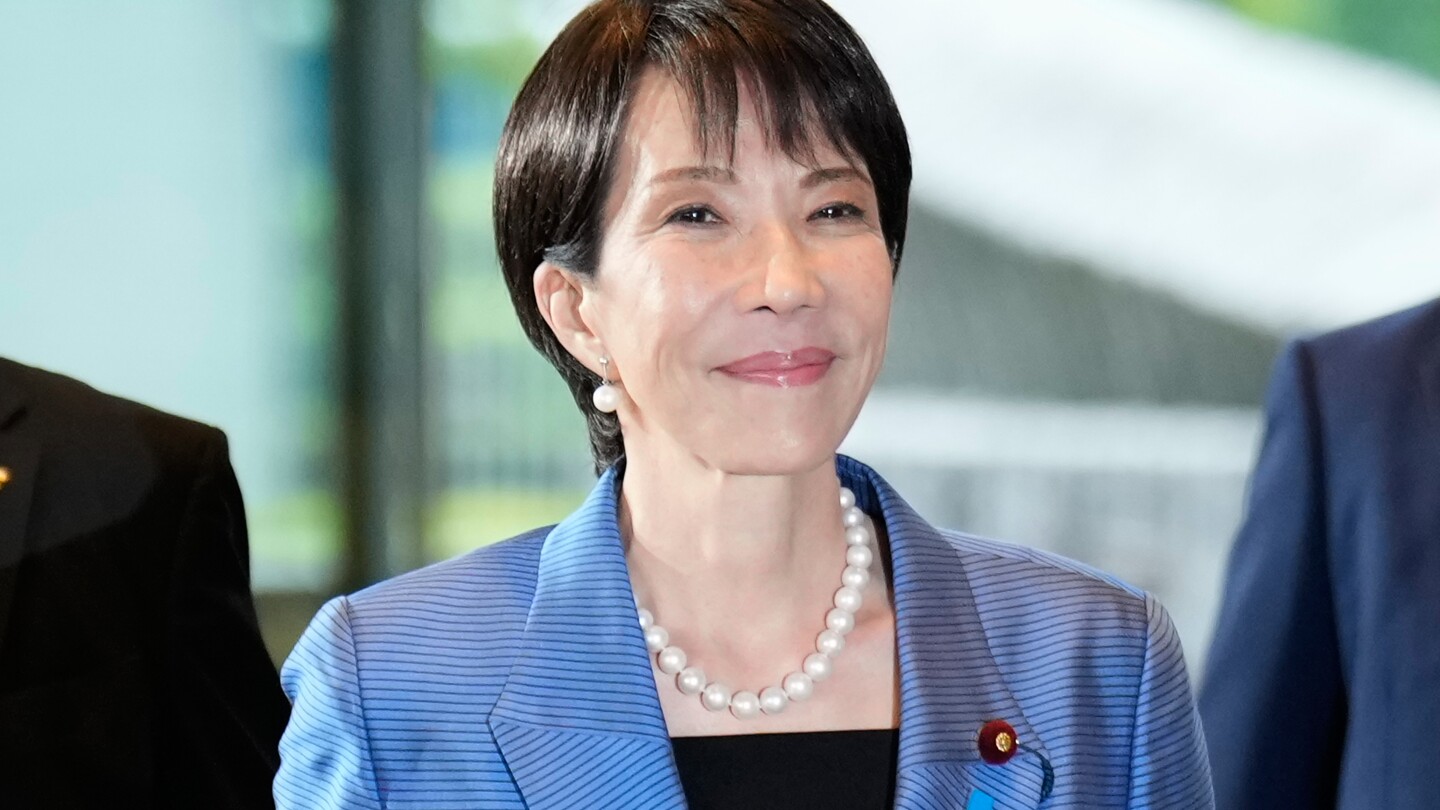
In a historic milestone for Japan, Sanae Takaichi has been elected as the nation’s first female prime minister, shattering the glass ceiling in a political landscape long dominated by men. At 64, Takaichi also becomes the first woman to lead the Liberal Democratic Party (LDP), which has been the cornerstone of Japan’s postwar governance. Known for her ultraconservative stance, Takaichi is a staunch admirer of former British Prime Minister Margaret Thatcher and a proponent of Shinzo Abe’s nationalist policies. Her hardline views on China and her frequent visits to the controversial Yasukuni Shrine, which critics argue glorifies Japan’s wartime past, have drawn international scrutiny. Despite Japan’s poor global ranking in gender equality, Takaichi has rarely addressed the issue during her campaign, though she acknowledged the symbolic significance of her election by stating, ‘Now that the LDP has its first female president, its scenery will change a little.’ Takaichi, who first entered parliament in 1993, has held key ministerial roles, including economic security and internal affairs, though her diplomatic experience remains limited. She advocates for a stronger military, increased fiscal spending, nuclear fusion development, and stricter immigration policies. A self-proclaimed workaholic, Takaichi has vowed to abandon the concept of ‘work-life balance,’ emphasizing relentless dedication to her role. Her election has sparked mixed reactions, with critics questioning her commitment to diversity and gender equality. Takaichi has pledged to increase female representation in her government but supports traditionalist policies such as male-only imperial succession and opposes same-sex marriage. Her hard-right views on history and security, including her revisionist stance on Japan’s wartime actions, may strain relations with neighboring countries like China and South Korea. Despite these challenges, Takaichi’s leadership marks a significant, albeit controversial, turning point in Japanese politics.
Japan’s first female leader is an ultraconservative star from a male-dominated party