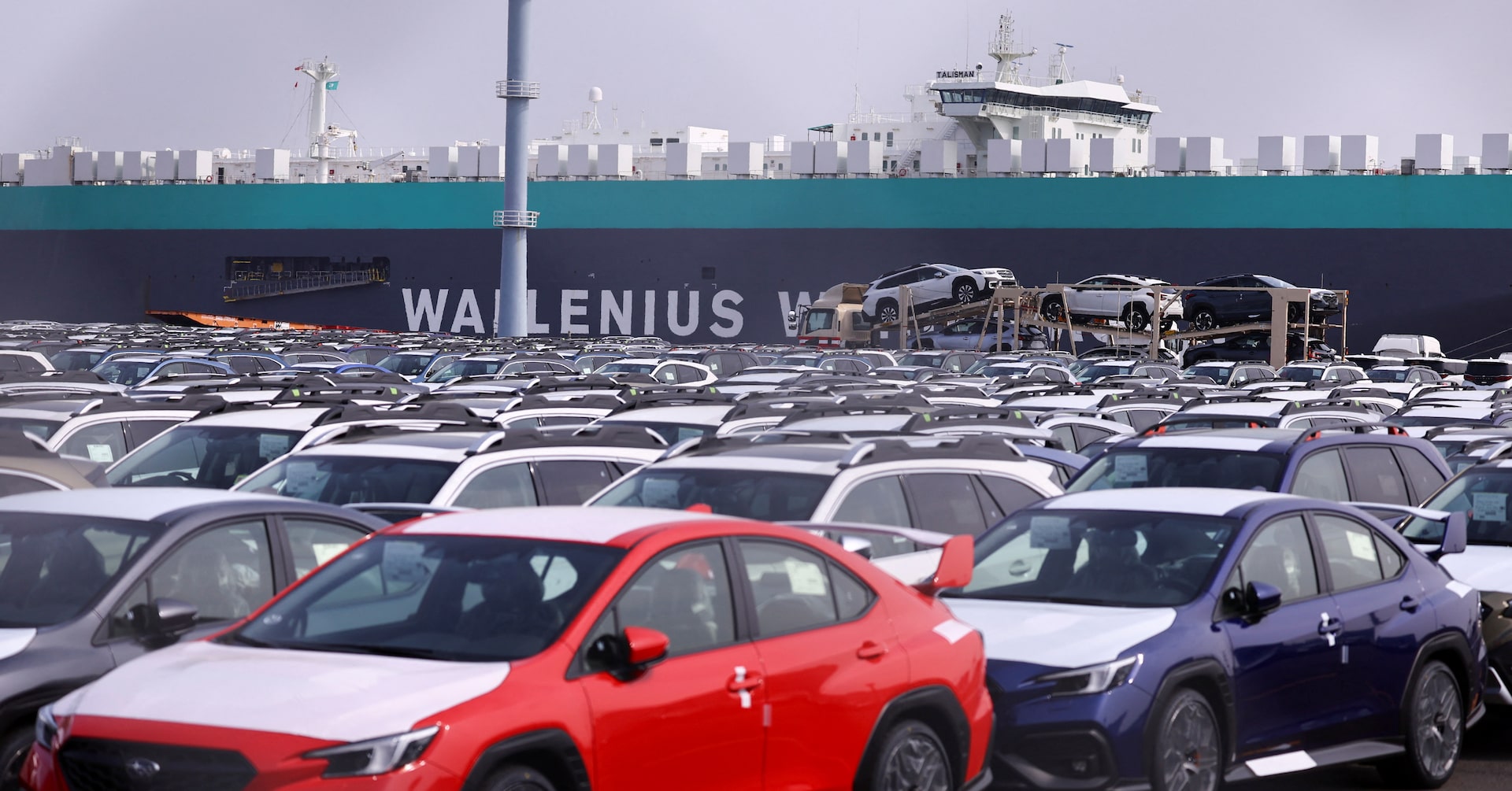
Japan’s export sector faced another challenging month in August 2025, marking the fourth consecutive decline, as elevated U.S. tariffs continued to weigh heavily on key industries such as automotive and manufacturing. According to government data released on September 17, total exports by value fell by 0.1% year-on-year, a smaller drop than the 1.9% decrease forecasted by economists. However, exports to the United States plummeted by 13.8%, the steepest decline since February 2021, driven by significant drops in automobile and chipmaking equipment shipments. The volume of U.S.-bound exports also decreased by 12.0%, exacerbating the trade surplus reduction with the U.S. to 324 billion yen ($2.21 billion), the smallest since January 2023. While exports to China dipped slightly by 0.5%, shipments to Asia and the European Union saw modest gains, partially offsetting the U.S. downturn. On the import side, total imports fell by 5.2% year-on-year, largely due to lower oil prices, resulting in a trade deficit of 242.5 billion yen ($1.66 billion), significantly less than the forecasted 513.6 billion yen. Despite some relief from a reduced baseline tariff rate of 15% on Japanese imports, down from the initial 27.5%, the impact remains severe for Japanese automakers and auto parts suppliers, who previously enjoyed a 2.5% rate. Economists predict a contraction in Japan’s economy by an annualized 1.1% in the current quarter, reflecting weak overseas demand. Bank of Japan Governor Kazuo Ueda has pledged to proceed cautiously with rate hikes, given the uncertainty surrounding the U.S. tariff impact. Meanwhile, corporate spending on plant and equipment surged by 7.6% in the April-June quarter, with the automotive sector leading the charge with a 43.4% increase, driven by investments in electric vehicle production, despite a 30.7% plunge in operating profits.