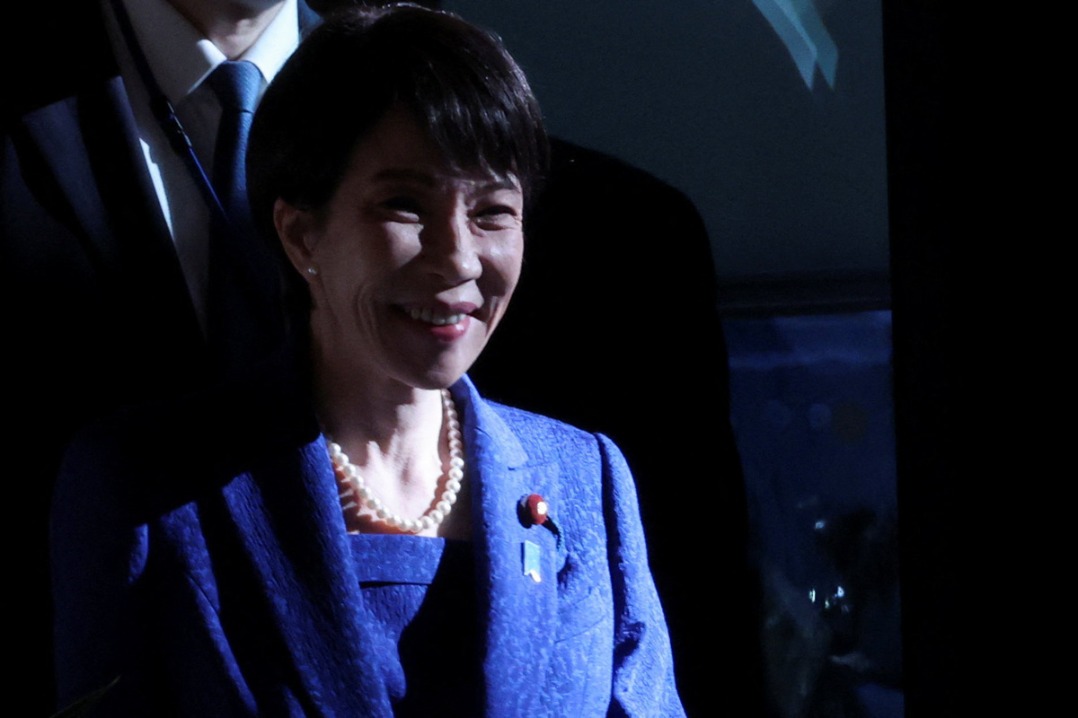
In a landmark political maneuver, Japanese Prime Minister Sanae Takaichi’s cabinet has formally approved the dissolution of the country’s 465-seat House of Representatives. This decisive action, ratified on Friday, January 23, 2026, marks a significant departure from conventional parliamentary procedures.
The dissolution, though constitutionally within the prime minister’s authority, represents the first instance in six decades where such action has been initiated at the commencement of a regular Diet session. This unconventional timing underscores the strategic nature of the political calculus behind the move.
According to national broadcaster NHK, the formal disbandment of the lower house will occur later today during the opening of the ordinary Diet session, with lawmakers in attendance. Following this procedural milestone, the cabinet is scheduled to reconvene to establish the official timetable for the impending general election.
Prime Minister Takaichi, who assumed office in October, had previously announced her intention to dissolve the lower chamber on Monday, citing February 8 as the projected date for the snap election. This strategic timing appears designed to leverage her administration’s currently robust approval ratings.
The upcoming electoral contest will also serve as the inaugural political battlefield for candidates representing the newly established opposition coalition, the Centrist Reform Alliance. This political bloc emerged from an unprecedented alliance between the Constitutional Democratic Party of Japan and Komeito—the latter having previously maintained a 26-year coalition partnership with the ruling Liberal Democratic Party.
This political development follows the previous House of Representatives election held in October 2024, setting the stage for a potentially transformative political realignment in Japanese politics.