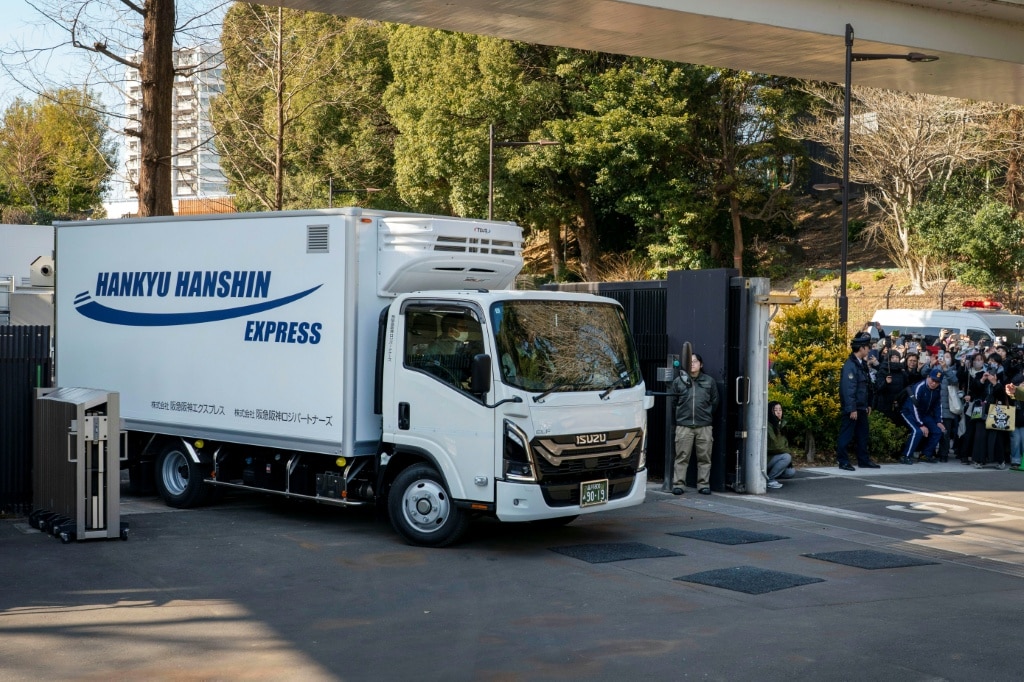
Tokyo’s Ueno Zoological Gardens bid an emotional farewell to its giant panda residents Lei Lei and Xiao Xiao on Tuesday, marking Japan’s first panda-free period in half a century. The four-year-old twins, born and raised at the prestigious zoo, commenced their journey to China via specialized transport vehicles, leaving behind devoted fans who gathered for final glimpses of the beloved bears.
The departure coincides with escalating diplomatic strains between the Asian powers, triggered recently by Japanese Prime Minister Sanae Takaichi’s comments regarding potential military intervention concerning Taiwan. Beijing, considering Taiwan part of its sovereign territory, responded with visible diplomatic displeasure. Although the pandas’ repatriation occurs approximately one month before their official loan period concludes in February, the timing appears strategically significant within broader bilateral tensions.
Since the normalization of Sino-Japanese relations in 1972, giant pandas have served as charismatic ambassadors under China’s distinctive ‘panda diplomacy’ program. These charismatic mammals have consistently drawn massive crowds, generating substantial revenue and cultural goodwill for hosting nations. Despite Japan’s expressed interest in securing a new panda pair, recent polling by Asahi Shimbun indicates 70% of Japanese citizens oppose further negotiations with China regarding additional panda leases.
Final viewing sessions at Ueno Zoo were limited to lottery-selected visitors, though numerous dedicated admirers without tickets assembled outside the facility wearing panda-themed apparel and carrying memorabilia. Concurrently, China has issued travel advisories cautioning citizens against visiting Japan citing security concerns, while reportedly restricting exports of rare-earth minerals critical for Japanese manufacturing sectors.
Academic perspectives suggest caution in interpreting the panda recall as purely political retaliation. Professor Masaki Ienaga, an East Asian relations specialist at Tokyo Woman’s Christian University, noted that China routinely rotates pandas internationally and their diplomatic value often manifests in deployment timing rather than removals. He emphasized that while multiple nations employ charismatic fauna in diplomatic engagements, pandas possess unique economic and soft power advantages due to their immense popularity and revenue-generating capabilities.