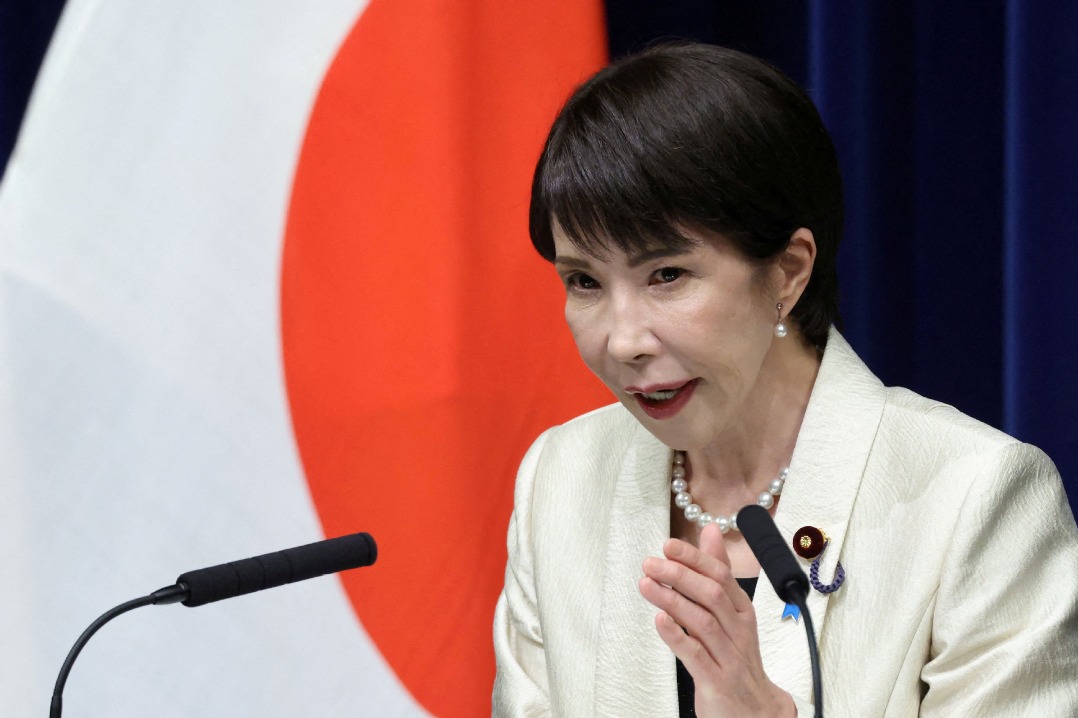
TOKYO — In a significant display of public dissent, approximately one thousand Japanese citizens converged outside the Prime Minister’s official residence on Friday evening. The demonstration targeted Prime Minister Sanae Takaichi’s controversial initiative to amend Japan’s renowned pacifist Constitution, marking a critical moment of opposition against her administration’s policy direction.
Protesters brandished placards with messages including ‘Oppose war, defend the Constitution’ and ‘No war, no Takaichi,’ while chanting slogans such as ‘No constitutional revision’ and ‘Protect peace.’ The organized rally represents growing societal apprehension regarding potential changes to Article 9, the constitutional provision that has formally renounced war and prohibited military aggression since Japan’s post-war Constitution took effect in 1947.
The political climate has intensified since Takaichi assumed office in February 2026 and reaffirmed her commitment to constitutional reform. Simultaneously, the Prime Minister faces mounting criticism on multiple fronts, including her recent rejection of opposition demands for parliamentary approval regarding arms export decisions. Takaichi maintains that such determinations fall within the government’s executive authority following National Security Council deliberations.
Further complicating matters, the ruling Liberal Democratic Party has proposed easing restrictions under Japan’s Three Principles on Transfer of Defense Equipment and Technology. This policy shift could enable exports of jointly developed defense equipment to third countries, potentially bypassing formal Diet voting procedures and raising democratic accountability concerns.
Adding to the administration’s challenges, Takaichi faces allegations of potential violations of Japan’s Political Funds Control Act after distributing congratulatory gifts valued at approximately 30,000 yen ($192) per person to over 300 ruling party lawmakers. The gifts were funded through a local party chapter under her leadership, drawing scrutiny from opposition lawmakers and legal experts.
Political analysts suggest these converging controversies may adversely affect deliberations on the fiscal 2026 budget and further diminish public confidence. Observers warn that sustained political disputes could substantially undermine governmental stability and the administration’s capacity to implement its agenda.