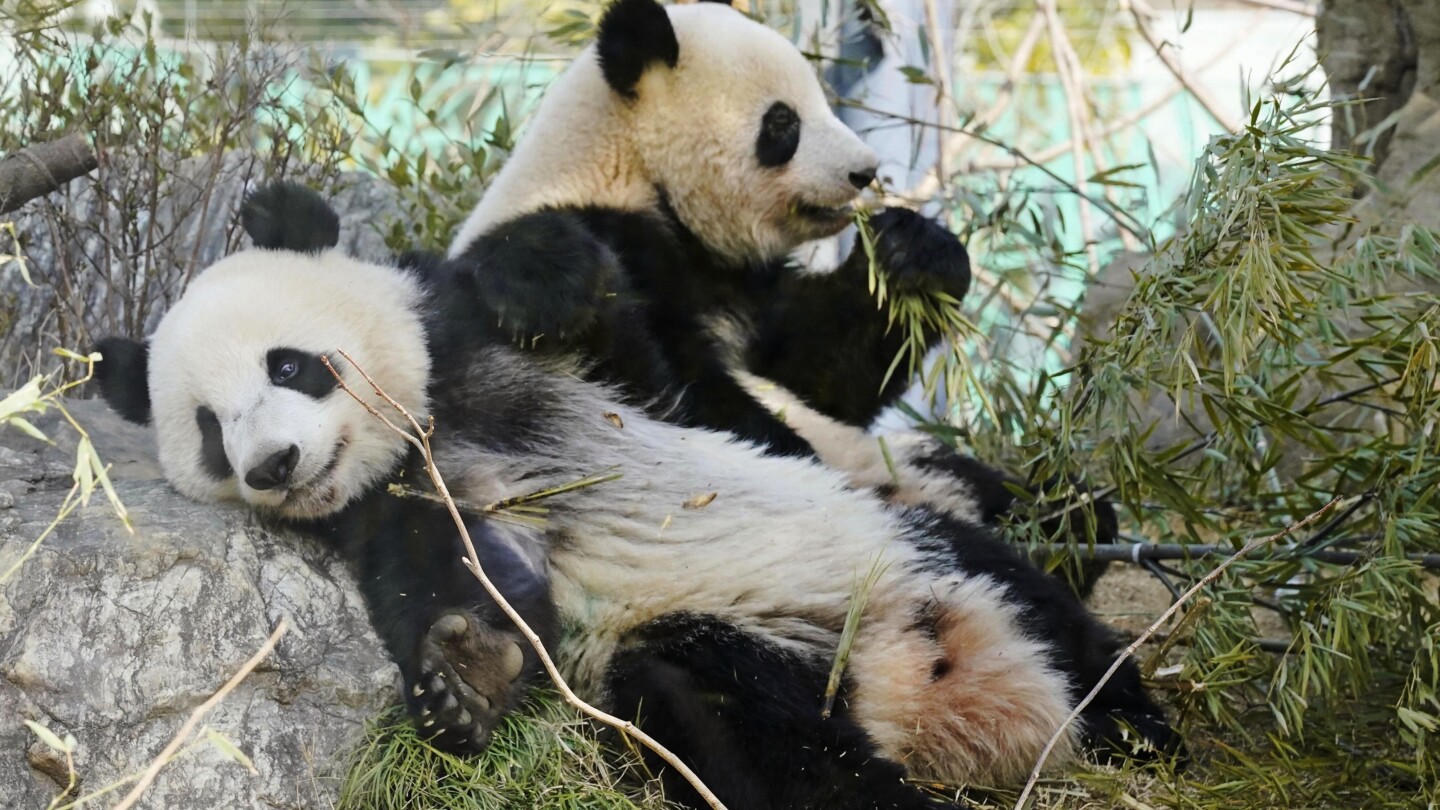
Tokyo’s Ueno Zoological Gardens will bid farewell to its beloved twin pandas Xiao Xiao and Lei Lei in late January, concluding Japan’s uninterrupted fifty-year tradition of hosting the iconic Chinese bears. The four-year-old siblings, born in 2021 to parents Shin Shin and Ri Ri who returned to China last year, will complete their loan period by February as required by China’s panda diplomacy agreements.
The departure signals more than just an animal transfer—it represents a significant diplomatic cooling between Asia’s two largest economies. Prospects for new panda loans appear dim amid deteriorating bilateral relations, which intensified following Japanese Prime Minister Sanae Takaichi’s November remarks suggesting potential military involvement should China act against Taiwan.
China has subsequently implemented retaliatory measures including tourism restrictions to Japan and cancellation of cultural exchanges. Tensions further escalated this month with Chinese military drills near southern Japan that prompted Tokyo to scramble fighter jets and protest radar-locking incidents.
Chief Cabinet Secretary Minoru Kihara acknowledged pandas’ historical role in fostering Japan-China friendship, stating: ‘Exchanges through pandas have contributed to improve the public sentiment between Japan and China, and we hope the relationship will continue.’ Numerous municipalities and zoos have expressed desire for new panda loans, though current political realities suggest otherwise.
Since China first gifted pandas to Japan in 1972 to normalize diplomatic relations, the bears have served as both cultural ambassadors and political barometers. Beijing maintains ownership of all pandas loaned worldwide, using them as tools of soft power while asserting their status as national treasures native to southwestern China.