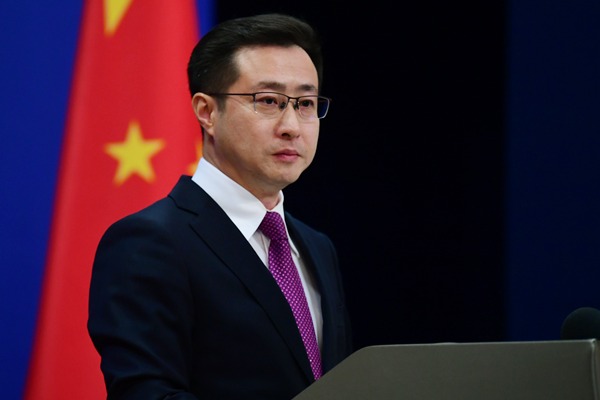
Following a decisive electoral victory by Japan’s ruling coalition, China has issued a formal appeal for Tokyo to adhere to its historical commitment to peaceful development. Foreign Ministry spokesman Lin Jian articulated these concerns during a Monday press briefing, emphasizing the critical importance of the four foundational political documents that underpin Sino-Japanese relations.
The Liberal Democratic Party and its coalition partner secured a supermajority of 352 seats in Sunday’s snap parliamentary election, granting them the legislative power to potentially initiate constitutional amendments. This outcome has triggered international apprehension regarding Japan’s political trajectory, with experts warning of accelerated rightward movement in security policy.
Professor Hiroshi Shiratori of Hosei University indicated that this electoral mandate could facilitate significant security reforms, including potential revisions to Japan’s pacifist constitution. Particular attention focuses on Article 9, which renounces war and prohibits maintaining offensive military capabilities, alongside the Three Non-Nuclear Principles that have guided Japan’s defense policy for decades.
Chinese analysts express concern that Prime Minister Sanae Takaichi’s administration may pursue substantial military expansion, including revised security documentation, relaxed arms export restrictions, and enhanced defense capabilities. Such moves would represent a dramatic departure from Japan’s post-war pacifist orientation.
The Chinese Foreign Ministry emphasized that while Japan’s electoral process constitutes an internal matter, its outcomes warrant serious international consideration. Spokesman Lin cautioned that any reckless actions by far-right elements would encounter both domestic resistance and strong international response.
Economic implications also loom large, as heightened bilateral tensions could adversely affect trade relations, potentially undermining Japan’s manufacturing sector and broader economic growth while impeding regional cooperation mechanisms.