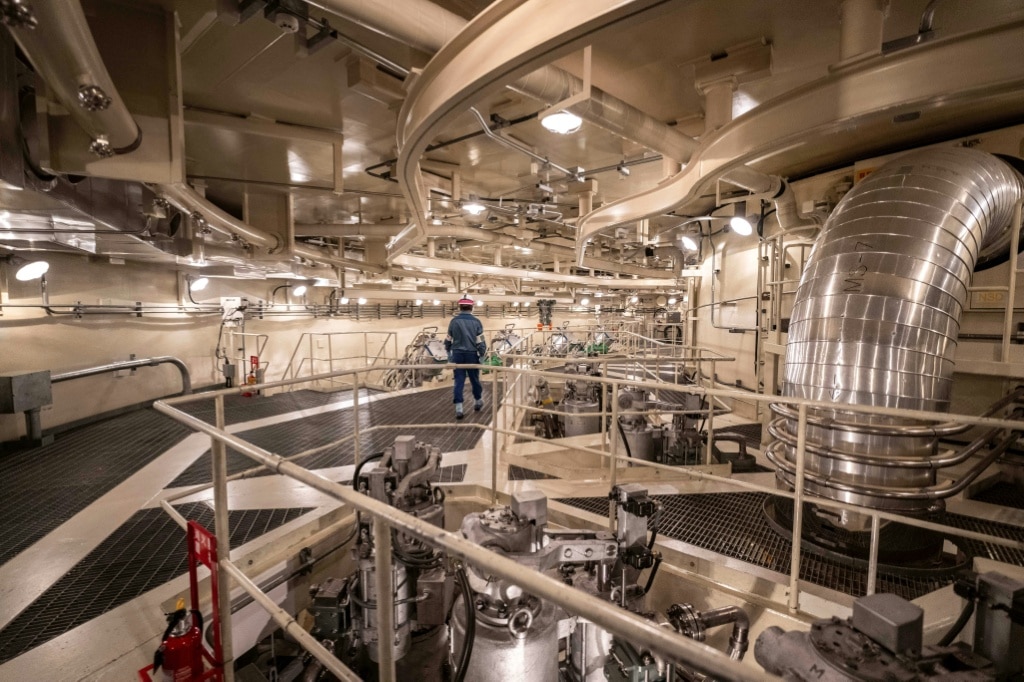
Japan is poised to reactivate the world’s largest nuclear power facility on Wednesday, marking a historic milestone in the nation’s energy policy since the 2011 Fukushima catastrophe. The Kashiwazaki-Kariwa plant in Niigata province, operated by Tokyo Electric Power (TEPCO), will initiate reactor operations after receiving final regulatory approval, despite significant public safety concerns and ongoing protests.
The restart follows Niigata Governor’s endorsement last month, though regional surveys indicate 60% of residents oppose the reactivation while only 37% support it. The facility has undergone substantial safety enhancements including a 15-meter tsunami wall and elevated emergency power systems. However, critics highlight TEPCO’s problematic track record—including recent alarm system failures and data falsification scandals—as evidence of ongoing operational risks.
Japan’s push for nuclear revival stems from energy security needs and climate commitments. As the fifth-largest global carbon emitter, Japan aims to achieve carbon neutrality by 2050 and reduce fossil fuel dependency from nearly 70% to 30-40% of its energy mix. Nuclear power is projected to supply 20% of national energy by 2040, up from current 8.5% levels.
The restart represents TEPCO’s first nuclear reactivation since the Fukushima disaster, where decommissioning efforts continue after 15 years. While 14 reactors have resumed operations under stricter safety protocols nationwide, Kashiwazaki-Kariwa’s revival remains contentious due to its location on active seismic faults and evacuation plan inadequacies highlighted by local residents.