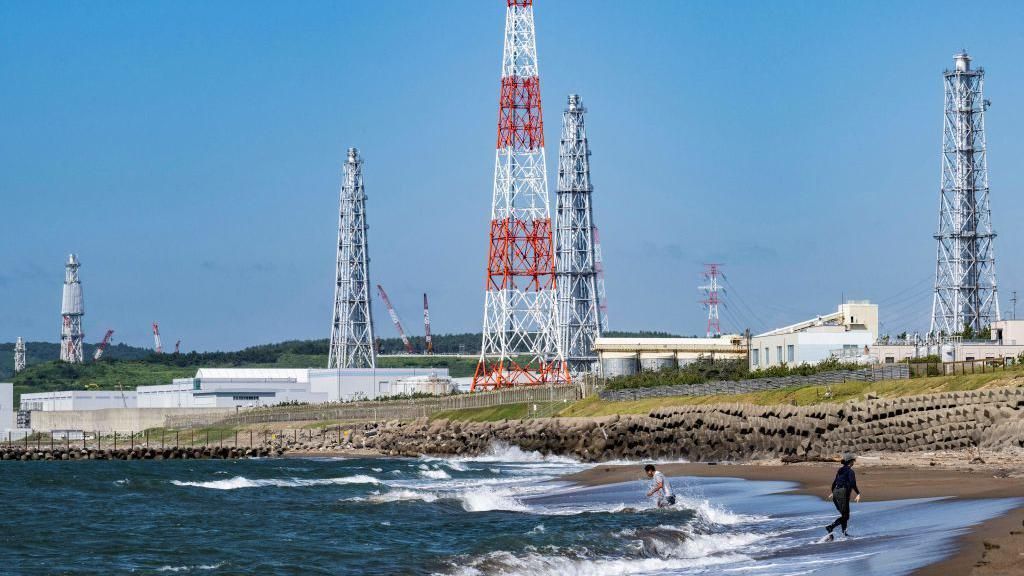
Japan has initiated the restart of reactor No. 6 at the Kashiwazaki-Kariwa Nuclear Power Plant—the world’s largest nuclear facility by installed capacity—nearly fifteen years after the catastrophic Fukushima Daiichi disaster prompted a nationwide nuclear shutdown. The reactivation, originally scheduled for Tuesday but delayed due to an alarm system malfunction, marks a significant milestone in Japan’s protracted nuclear energy revival efforts.
Operated by Tokyo Electric Power Company (Tepco), the plant’s restart represents the first Tepco-operated facility to resume operations since the 2011 disaster. However, the path to full operational capacity remains protracted: reactor No. 7 is not anticipated to restart before 2030, while the remaining five reactors face potential decommissioning. This would reduce the plant’s maximum output to a fraction of its historical 8.2-gigawatt capacity.
The revival occurs against a backdrop of profound public skepticism and technical challenges. The 2011 Fukushima catastrophe—triggered by a record-breaking earthquake and subsequent tsunami—resulted in widespread radioactive contamination, mass evacuations, and a dramatic erosion of public trust in nuclear safety. An official government inquiry later characterized the disaster as “man-made,” citing systemic failures in preparedness and crisis management.
Despite enhanced safety protocols—including the construction of 15-meter seawalls and watertight barriers at Kashiwazaki-Kariwa—concerns persist regarding Japan’s preparedness for unprecedented natural disasters and climate-change-induced risks. Dr. Florentine Koppenborg of the Technical University of Munich cautioned that while Japan is “super well-prepared” for historical scenarios, its readiness for “something really unexpected” remains uncertain.
Public opposition remains formidable. Surveys indicate that approximately 70% of Japanese citizens support reducing nuclear dependence, and protests continue near Tepco’s headquarters and the Niigata prefectural assembly. Recent scandals—including mishandled confidential documents and data manipulation at other facilities—have further undermined confidence in the industry’s operational integrity.
Financially, nuclear reactivation has proven more costly than anticipated due to stringent new safety requirements. These expenses may ultimately be borne by consumers or taxpayers, contradicting decades of official assertions regarding nuclear energy’s affordability. Prime Minister Sanae Takaichi, however, emphasizes nuclear power’s role in achieving energy self-sufficiency, particularly amid growing demand from data centers and semiconductor manufacturing.
Japan’s nuclear energy targets have been substantially scaled back: whereas pre-2011 plans aimed for 50% nuclear dependency by 2030, current objectives target just 20% by 2040. As of 2023, nuclear power accounted for merely 8.5% of Japan’s electricity generation, highlighting the considerable gap between ambition and reality in the nation’s contested nuclear renaissance.