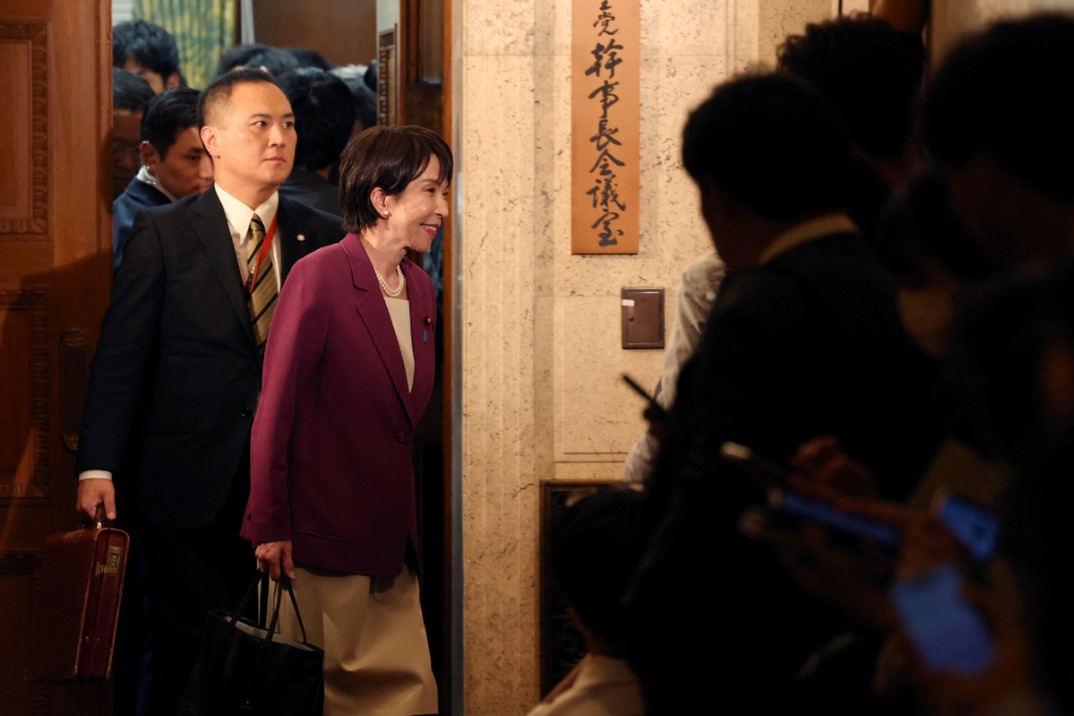
The Japanese government has announced the postponement of an extraordinary parliamentary session initially slated for this week to elect a new prime minister. The session is now rescheduled for October 21, though the precise timing of the vote remains undecided. This delay comes amidst a backdrop of political maneuvering and uncertainty within Japan’s ruling and opposition parties. Sanae Takaichi, the newly elected leader of the ruling Liberal Democratic Party (LDP), expressed determination to secure the premiership despite skepticism from some quarters. Takaichi’s path to the top job has been complicated by the withdrawal of the LDP’s junior coalition partner, Komeito, which cited dissatisfaction with the party’s handling of a political funding scandal. Komeito has declared it will not support Takaichi in the upcoming Diet vote. Meanwhile, opposition parties are actively strategizing to unite behind Democratic Party for the People (DPFP) leader Yuichiro Tamaki as their preferred candidate for prime minister. The LDP, which holds 196 seats in the House of Representatives and 100 in the House of Councillors, is navigating a fragmented political landscape. The election process will involve both chambers of parliament, with the lower house’s decision taking precedence in case of a tie. If no candidate secures a majority in the first round, a runoff will be held between the top two contenders.