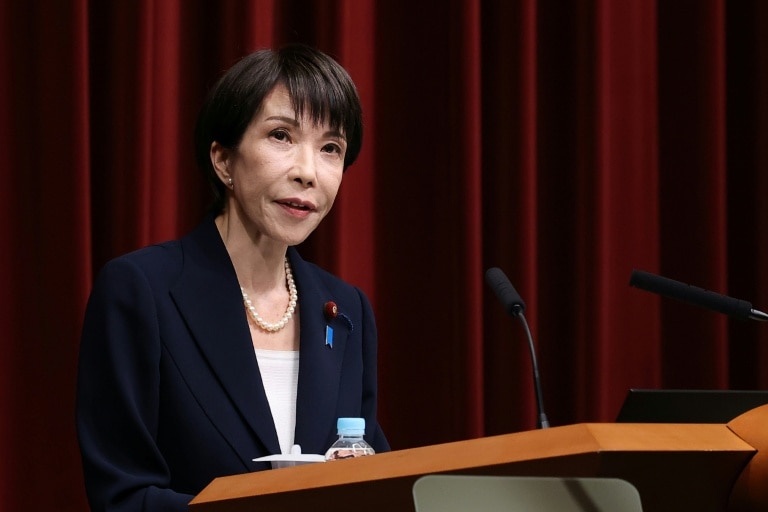
Japanese Prime Minister Sanae Takaichi has initiated a strategic political maneuver by announcing the dissolution of parliament on Friday, setting the stage for a snap national election scheduled for February 8. The country’s first female leader is banking on her cabinet’s substantial public approval ratings to overcome her ruling party’s declining popularity and secure a stronger governing mandate.
The decision comes amid mounting economic challenges, with the government facing intense public pressure to address soaring living costs. Prime Minister Takaichi emphasized that the election would seek public endorsement for her administration’s measures to cushion households from inflation spikes and bolster national defense spending. Her Liberal Democratic Party (LDP), in coalition with the Japan Innovation Party (JIP), currently maintains a fragile majority in the powerful lower chamber.
Recent economic indicators reveal a complex financial landscape. December data showed Japan’s core inflation rate moderating to 2.4 percent year-on-year, down from November’s 3 percent, primarily due to government subsidies on utilities. However, this figure remains above the central bank’s 2 percent target, with specific commodities like rice experiencing dramatic price surges—rising over 34 percent in December compared to the previous year.
The Takaichi administration has responded with ambitious fiscal measures, approving a record ¥122.3 trillion ($770 billion) budget for the 2026 fiscal year. The centerpiece of her economic platform involves a proposed two-year sales tax reduction on food items, a policy that opposition parties have also embraced. Yet this approach has raised concerns about exacerbating Japan’s substantial public debt, which is projected to exceed 230 percent of GDP by 2026.
Financial markets have reacted nervously to the proposed stimulus, with government bond yields climbing significantly this week amid investor anxiety about fiscal discipline. The Bank of Japan’s upcoming policy announcement is being closely monitored for signals about how monetary authorities will navigate these turbulent economic conditions.
Politically, the opposition Constitutional Democratic Party has formed a new Centrist Reform Alliance with Komeito, hoping to capitalize on voter discontent. Despite this development, political analysts suggest the opposition faces steep challenges in unseating the long-dominant LDP, particularly given Takaichi’s remarkable 90 percent approval rating among voters under 30, according to recent polling data.