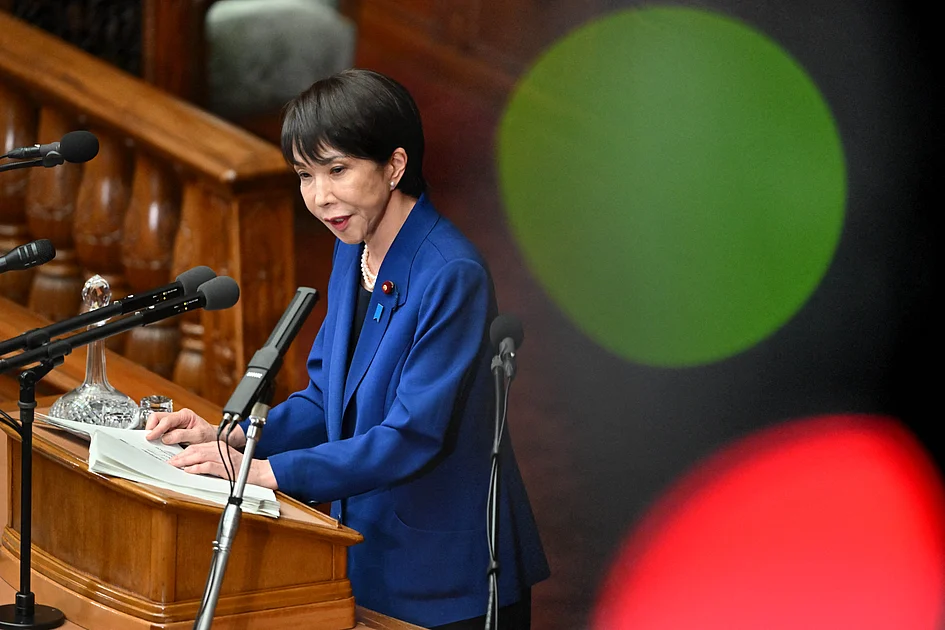
In a strategic political maneuver, Japanese Prime Minister Sanae Takaichi has announced a snap general election scheduled for February 8, marking a pivotal moment for both her leadership and the nation’s political trajectory. The lower house of parliament will officially dissolve on January 23, with campaigning commencing January 27 ahead of the February vote.
Japan’s first female leader, riding remarkably high approval ratings for her cabinet despite her Liberal Democratic Party’s declining popularity, aims to secure a stronger mandate for her policy agenda. The ruling coalition—comprising the LDP and junior partner Japan Innovation Party—currently maintains only a slender majority in the powerful lower chamber, creating legislative obstacles for Takaichi’s ambitious plans regarding substantial fiscal stimulus and defense budget enhancements.
Political analysts suggest the election timing serves multiple strategic purposes. Domestically, a stronger majority would empower Takaichi to advance her record 122.3-trillion-yen ($768 billion) budget proposal for fiscal year 2026 without requiring significant concessions to opposition parties. The budget, designed to combat persistent inflation and stabilize the world’s fourth-largest economy, faces potential delays due to the election timeline, drawing criticism from opposition figures who argue the government is prioritizing political maneuvering over economic stability.
Internationally, the snap election provides Takaichi with increased leverage in ongoing tensions with China. Relations between Tokyo and Beijing have deteriorated significantly since November, when Takaichi suggested potential Japanese military intervention should China attack Taiwan. China has responded with trade restrictions, including bans on dual-use goods with military applications and reported constraints on rare-earth exports vital to Japanese manufacturing.
The election landscape features an unusual alliance between the main opposition Constitutional Democratic Party and Komeito (the LDP’s former coalition partner), who have joined forces to challenge Takaichi’s administration. Meanwhile, populist parties like Sanseito have gained traction with anti-immigration rhetoric despite Japan’s minimal foreign-born population.
Professor Emeritus Sadafumi Kawato of the University of Tokyo noted that an independent LDP majority would significantly enhance Takaichi’s policy implementation capabilities. However, National Graduate Institute for Policy Studies Dean Mikitaka Masuyama warned that electoral success could provoke intensified pressure from Beijing, potentially through additional trade measures designed to demonstrate the costs of supporting hawkish leadership.