Tokyo faces mounting political pressure as it navigates Washington’s controversial request for naval support in the Strait of Hormuz, exposing fundamental tensions between Japan’s pacifist constitution and its alliance obligations. The diplomatic challenge arrives ahead of Prime Minister Sanae Takaichi’s scheduled meeting with US President Donald Trump, creating a complex geopolitical balancing act for the Japanese government.
Political opposition has intensified following Trump’s call for five nations, including Japan, to provide naval escorts through the strategic waterway. Former Prime Minister Shigeru Ishiba emphasized the central legal question during a Fuji Television appearance, stating that Japan must first determine whether US airstrikes on Iran comply with international law before considering any military deployment.
Academic experts have entered the fray, with Yamaguchi University professor Atsushi Koketsu telling China Daily that US and Israeli strikes clearly violated international law and the UN Charter. Koketsu criticized Tokyo’s reluctance to address the legality of US actions, noting this silence contradicts Japan’s self-proclaimed identity as a peaceful nation committed to international legal norms.
The legal framework presents additional complications. Under Japan’s 2015 security legislation, any deployment would require both international legal justification and classification as a “situation threatening Japan’s survival.” The Nikkei Asia reported that government deliberations from 2015 explicitly stated Japan would not support uses of force that violate international law.
Beyond legal considerations, energy security emerges as a critical factor. The Middle East remains Japan’s primary energy source, and military involvement could damage carefully maintained diplomatic relationships with regional partners, particularly Iran. Koketsu warned that close alignment with US policy might undermine Japan’s long-term energy security and regional standing.
Public opinion appears strongly opposed to involvement, with an Asahi Shimbun poll showing 82% of respondents rejecting support for US strikes against Iran. Media outlets including the Tokyo Shimbun have editorialized against participation, arguing Japan should avoid military entanglement and resist US pressure.
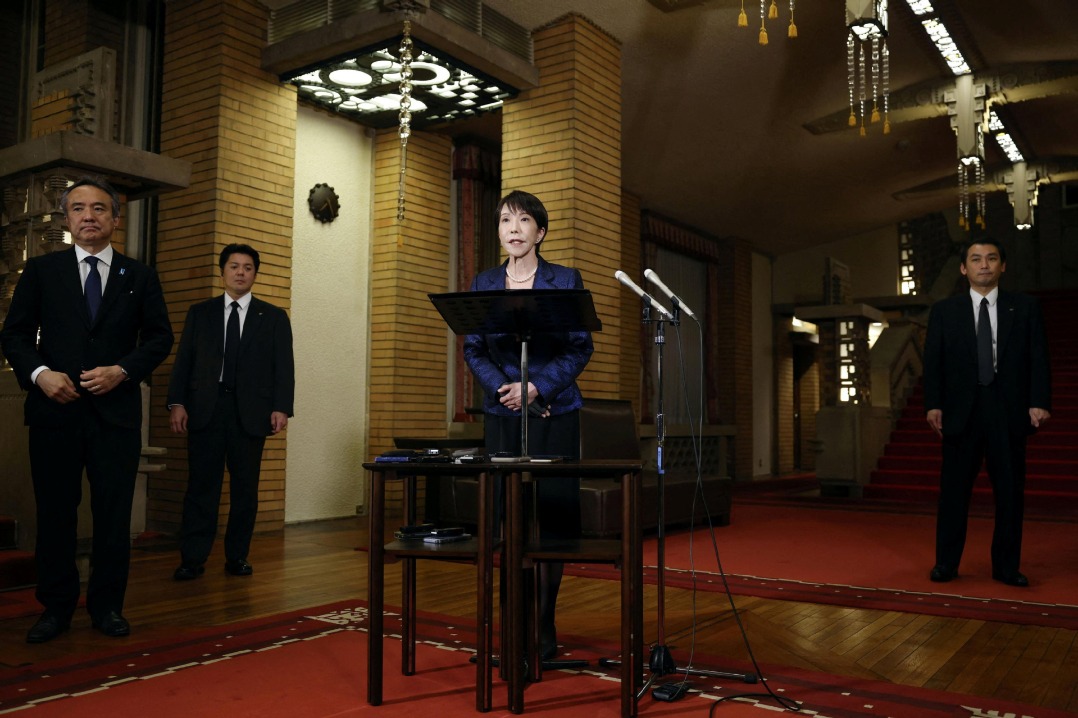
The government’s position remains cautiously non-committal. Prime Minister Takaichi told the House of Councillors Budget Committee that Japan currently has no plans to dispatch Self-Defense Force vessels, while avoiding direct commentary on the legality of US military operations against Iran.