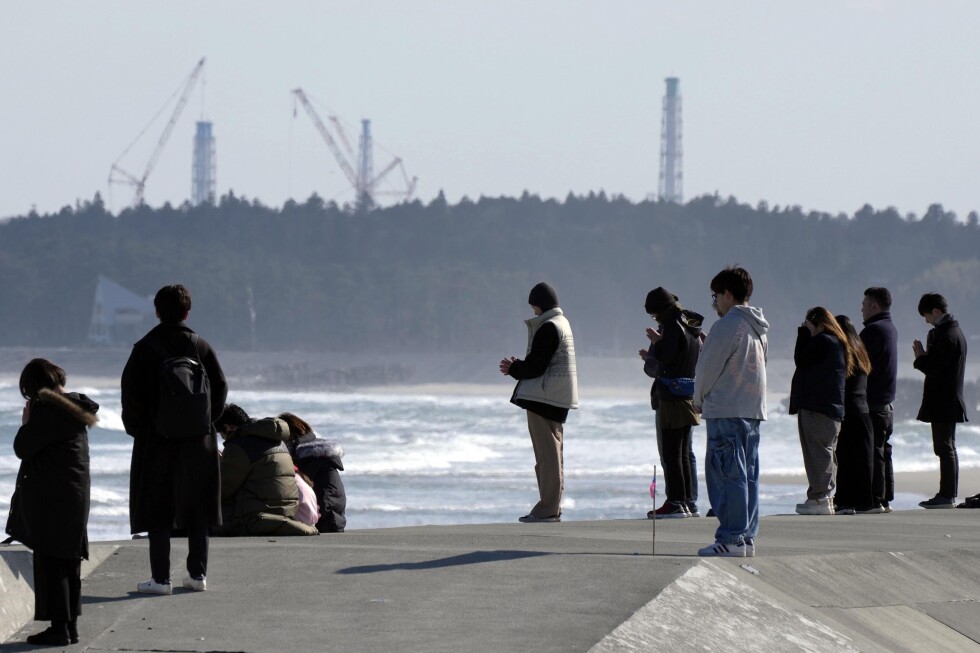
TOKYO — Japan solemnly observed the 15th anniversary of the catastrophic earthquake, tsunami, and nuclear meltdown that devastated its northeastern coastline, even as the government advances controversial initiatives to expand atomic energy usage.
The magnitude 9.0 temblor that struck on March 11, 2011, triggered massive tsunami waves that ravaged coastal communities across Iwate, Miyagi, and Fukushima prefectures. The disaster claimed over 22,000 lives and displaced approximately half a million residents from their homes, with radiation concerns forcing the evacuation of some 160,000 people from Fukushima alone.
At precisely 2:46 p.m., the nation paused for a moment of silence to honor the victims. During a memorial ceremony in Fukushima, Prime Minister Sanae Takaichi committed to accelerating regional recovery efforts within the next five years while preserving the “valuable lessons learned from the huge sacrifice of the disaster.”
This commemorative event occurs against the backdrop of a significant policy reversal. In 2022, Japan terminated its decade-long nuclear phase-out strategy, with Takaichi now actively promoting reactor restarts and advocating for nuclear power as a stable energy source.
Despite substantial infrastructure reconstruction, community and economic recovery remains sluggish. Approximately 26,000 displaced residents have not returned to their hometowns, having resettled elsewhere or remaining concerned about radiation risks in still-restricted zones.
The technical challenges at the Fukushima Daiichi plant remain formidable. Three reactors contain at least 880 tons of melted fuel debris, with detailed assessment hampered by persistently dangerous radiation levels. Full-scale debris removal has been postponed until at least 2037.
Additionally, decontamination efforts have produced enormous quantities of slightly radioactive soil—sufficient to fill 11 baseball stadiums. Government proposals to repurpose this material for public works projects have encountered significant public opposition.
In affected coastal communities, residents gathered at dawn to offer prayers for missing loved ones, their remains still lost to the sea fifteen years after the tragedy.