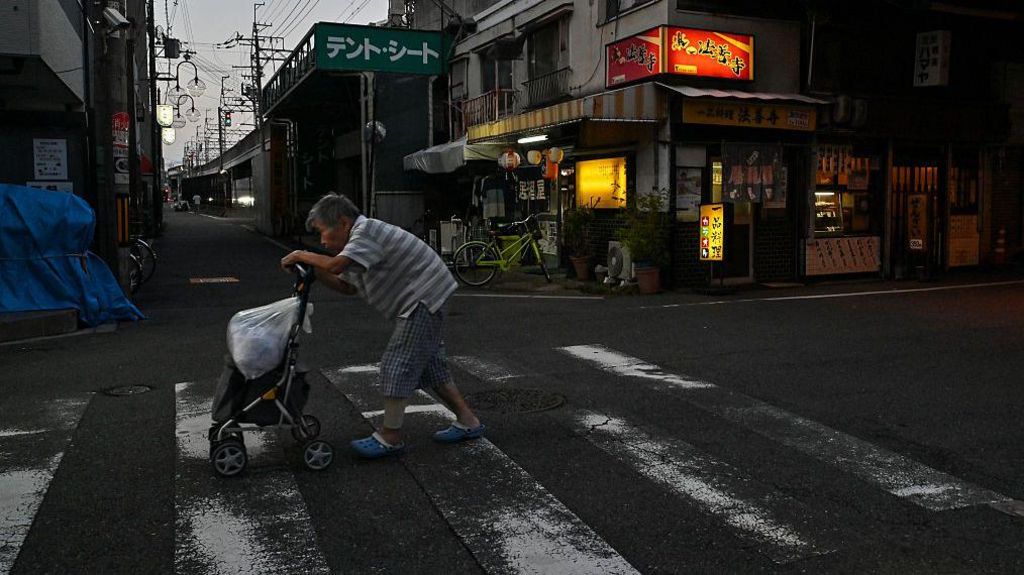
Japan is confronting its escalating dementia crisis through technological innovation as the nation grapples with the challenges of being the world’s oldest society. With approximately seven million citizens affected by dementia, the country faces unprecedented strain on its care systems and workforce.
Recent police data reveals a disturbing trend: over 18,000 elderly individuals with dementia wandered from their homes last year, resulting in nearly 500 fatalities. This represents a doubling of cases since 2012, highlighting the urgent need for intervention strategies.
The government has declared dementia a top policy priority, projecting that related healthcare costs will surge to 14 trillion yen ($90 billion) by 2030, up from 9 trillion yen in 2025. This financial burden coincides with a shrinking domestic workforce and restrictive immigration policies that limit foreign care workers.
In response, Japan is pioneering multiple technological solutions. GPS tracking systems have been widely adopted across communities, with some municipalities providing wearable tags that alert authorities when individuals stray beyond designated safe zones. Convenience stores in certain towns participate in real-time notification networks, creating community safety nets that can locate missing persons within hours.
Beyond tracking, Japanese companies are developing advanced diagnostic tools. Fujitsu’s aiGait system employs artificial intelligence to analyze walking patterns and posture, detecting early dementia indicators such as shuffling gait, slower turns, or difficulty standing. The technology generates skeletal outlines for clinical review during routine examinations.
‘Early detection of age-related diseases is crucial,’ explains Hidenori Fujiwara, Fujitsu spokesperson. ‘Motion-capture data enables earlier medical intervention, helping people maintain activity levels longer.’
Robotic caregiving represents another frontier. Researchers at Waseda University are developing AIREC, a 150kg humanoid robot capable of assisting with daily tasks including sock placement, egg preparation, and laundry folding. Future iterations aim to provide diaper changes and prevent bedsores.
Current robotic applications already serve in care facilities, where they lead exercises, provide musical entertainment, and monitor sleep patterns through mattress-embedded sensors. These technologies reduce nighttime human supervision requirements.
However, Assistant Professor Tamon Miyake cautions that fully functional humanoid caregivers remain approximately five years from safe human interaction. ‘Achieving necessary precision requires full-body sensing and adaptive understanding of individual needs and situations,’ he notes.
Emotional support technology also advances through devices like Sharp’s 12cm Poketomo robot. This portable companion provides medication reminders, weather preparation advice, and conversational interaction to combat social isolation.
‘We’re focusing on social issues and applying new technology to solve them,’ says Miho Kagei, Sharp’s development manager.
Despite technological progress, experts emphasize that human connection remains irreplaceable. The Restaurant of Mistaken Orders in Tokyo exemplifies this balance, employing servers with dementia who use floral arrangements to remember orders. Founder Akiko Kanna established the venue after her father’s dementia experience, creating spaces where affected individuals maintain engagement and purpose.
For server Toshio Morita, the work provides meaningful social interaction his wife says helps maintain cognitive engagement. The establishment demonstrates how community support and human interaction complement technological solutions in comprehensive dementia care.