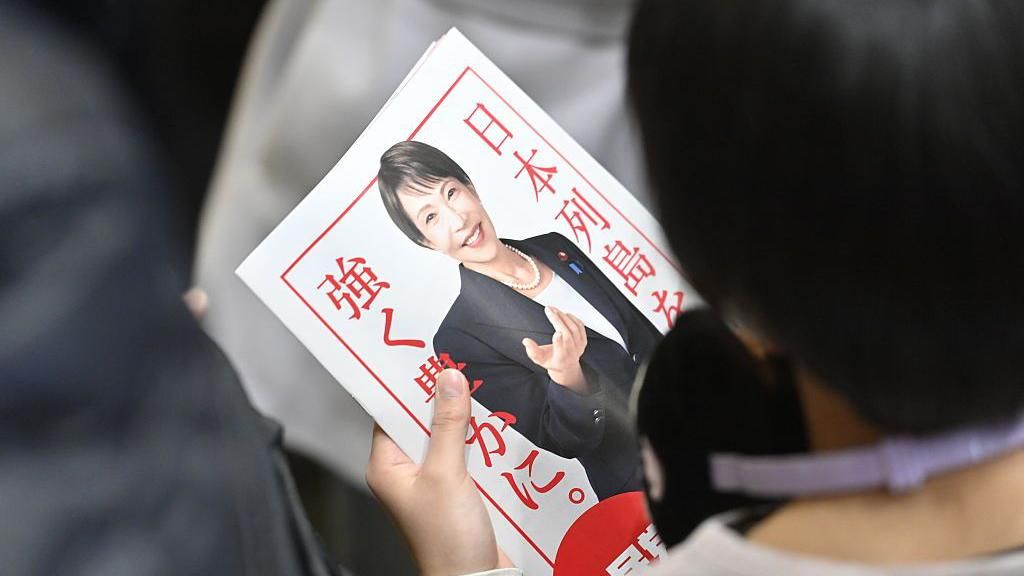
Prime Minister Sanae Takaichi’s strategic gamble on a snap election has yielded an unprecedented political mandate, with her Liberal Democratic Party securing a commanding 316 out of 465 parliamentary seats. This decisive victory breaks Japan’s cycle of political instability and positions Takaichi to confront the nation’s profound economic challenges with strengthened authority.
Japan faces intersecting crises of sluggish growth, monumental public debt exceeding 250% of GDP, and a rapidly aging and shrinking workforce. Takaichi’s campaign centered on bold economic stimulus through increased government spending in strategic industries and significant tax reductions aimed at boosting consumer expenditure. This represents a fundamental policy shift from previous administrations that prioritized fiscal conservatism and savings.
Financial markets have responded with cautious optimism, creating what analysts term the ‘Takaichi trade’—simultaneously buying Japanese equities while selling yen and government bonds. The currency’s appreciation reflects investor confidence, though concerns persist regarding funding mechanisms for her ambitious agenda. Government bond yields surged following her October inauguration, highlighting market apprehension about Japan’s borrowing requirements amid already staggering public debt.
The Bank of Japan faces parallel challenges in navigating away from ultra-low interest rate policies while combating surging inflation. Rice prices doubled in 2025, creating consumer distress that contributed to the previous administration’s downfall. While Takaichi’s proposed tax cuts may provide temporary relief, economists warn they risk exacerbating inflation without complementary fiscal discipline.
Demographic pressures present perhaps the most intractable obstacle. Japan’s critically aged population strains healthcare and social services while creating severe labor shortages across construction, agriculture, and hospitality sectors. Despite quietly relaxed immigration rules that have increased foreign workers by 22% since 2022, Takaichi maintains resistance to large-scale immigration, preferring technological solutions and increased participation from women and elderly workers.
Geopolitical considerations further complicate Takaichi’s economic strategy. China remains Japan’s largest trading partner despite ongoing tensions over rare earth exports and strategic supply chain vulnerabilities. Takaichi has prioritized reducing dependence on Chinese critical materials while strengthening alliances with the United States, including recent defense budget increases and warm relations with the Trump administration.
This approach echoes the Abenomics playbook of massive fiscal stimulus and monetary easing, though Takaichi operates in a fundamentally transformed global landscape characterized by heightened Sino-American tensions and more complex economic interdependencies. Her overwhelming parliamentary majority provides unique opportunity for structural reform, but success will require navigating extraordinarily complex economic, demographic, and geopolitical crosscurrents that have confounded predecessors for decades.