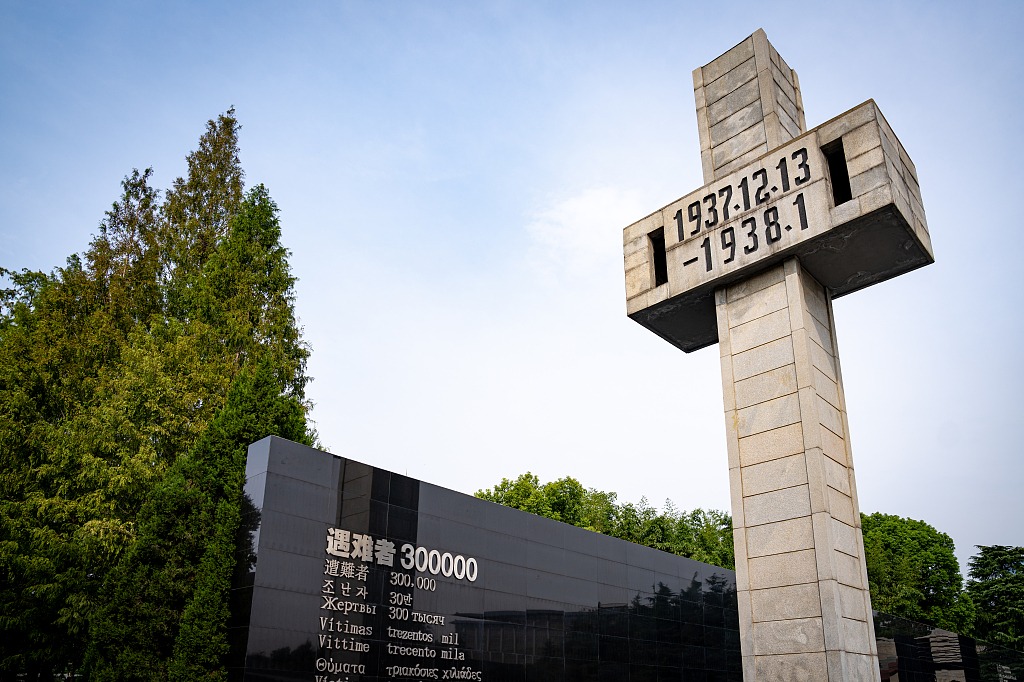
On the eve of China’s 12th National Memorial Day for Victims of the Nanjing Massacre, Beijing issued a forceful appeal to Tokyo to confront its historical wartime actions with genuine introspection. Foreign Ministry spokesman Guo Jiakun emphasized the necessity for Japan to extract meaningful lessons from history, unequivocally renounce militarism, and implement tangible measures to address its enduring legacy.
The commemorative event, scheduled to mark the 88th anniversary of the horrific 1937 incident, will be conducted in accordance with the formal decision adopted by China’s National People’s Congress. The Nanjing Massacre represents one of World War II’s most brutal chapters, during which Japanese military forces systematically slaughtered over 300,000 Chinese civilians and disarmed soldiers over six weeks following their capture of the Jiangsu province capital.
Guo presented a comprehensive critique of Japan’s historical revisionism, noting that contemporary Japanese leadership has consistently enabled right-wing factions that contradict historical accountability. The spokesman highlighted concerning patterns including repeated visits by Japanese officials to the controversial Yasukuni Shrine, public questioning of the seminal 1995 Murayama Statement expressing remorse for wartime aggression, and systematic textbook revisions that whitewash imperial invasion history.
“These egregious moves constitute a blatant challenge to the post-war international order and an affront to human conscience,” Guo stated, indicating these actions have provoked substantial international concern and vigilance.
The diplomatic exchange further addressed contemporary tensions regarding Taiwan, with Guo criticizing Japan’s ambiguous stance on its commitments outlined in bilateral political documents. The spokesman condemned Taiwan’s Democratic Progressive Party authorities for aligning with Japan’s problematic positions, including recent moves to lift restrictions on Japanese aquatic imports and organize delegation visits.
Guo reminded that Japan imposed half-century colonial rule on Taiwan, committing innumerable crimes that current Taiwan authorities allegedly ignore or even glorify. The spokesman concluded with a firm declaration that China would never permit historical regression, external interference in Taiwan, or any resurgence of militarism, vowing to collaborate with peace-loving nations to safeguard postwar international order.