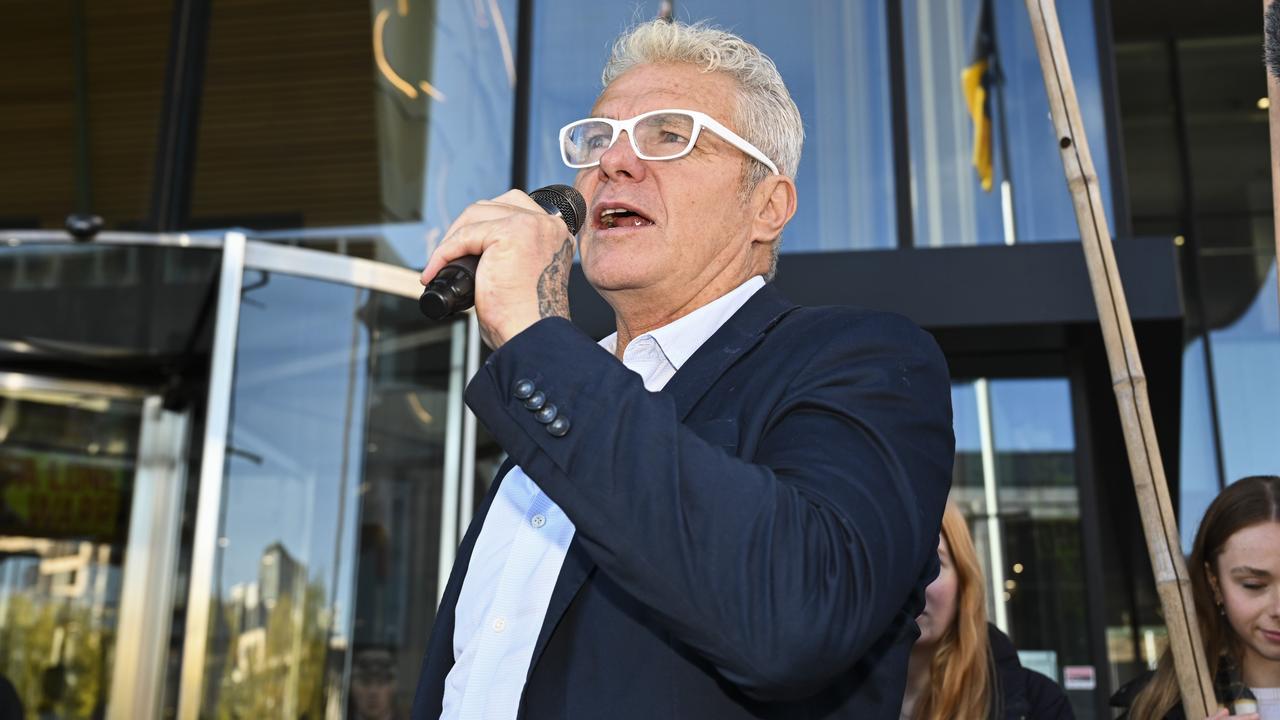
A former Australian military lawyer whose leaks of classified defence documents sparked explosive allegations of war crimes by Australian troops in Afghanistan has walked free from a Canberra prison on parole, only to disclose a devastating personal health battle that has tempered celebrations among his long-time supporters.
David McBride, 62, was released from custody on Thursday morning, more than two years into a five-year and eight-month sentence handed down in 2024 after he was convicted on three criminal charges, including theft of classified material and unauthorised disclosure of top-secret defence documents. The former soldier turned legal officer became eligible for parole on August 13 this year, and his application was ultimately approved by Australia’s Attorney-General Michelle Rowland.
A spokesperson for the Attorney-General’s Department confirmed the parole approval in a brief statement, noting that the federal government follows standard procedure for individual parole matters and does not disclose specific private details of such cases. Under the terms of his release, McBride will serve the remaining portion of his sentence in the community under strict supervision and specified release conditions.
McBride’s release marked a hard-won victory for transparency campaigners who had lobbied for his early release, led by The Information Rights Project, a non-profit charity founded by Gabriel Shipton – the brother of imprisoned WikiLeaks founder Julian Assange. Through the organisation, McBride shared his first public remarks since securing parole, opening with an outpouring of gratitude to those who stood by him throughout his incarceration.
“Firstly, I would like to thank my incredible family: Sarah, James and Georgie McBride, who never gave up on me and whose fighting spirit, love and humour inspired me every day,” McBride said. “Second, I’d like to thank all my amazing supporters from around Australia and the world who sent me such inspirational messages.” He also extended thanks to Attorney-General Rowland for approving his parole, and to fellow incarcerated people at the Alexander Maconochie Centre who “showed me humour, respect and character.”
But the joy of his first taste of freedom in two years was overshadowed by somber health news McBride shared publicly: he had been diagnosed with early-stage, treatable lung cancer and is preparing for surgery to remove a portion of the lung, followed by an extended period of physical recovery.
“While I am fit and well in most respects, I feel I should inform those who may be interested that I have been diagnosed with treatable lung cancer, in its earliest stages, and will presently undergo an operation to remove part of my lung, after which I will require some extended physical recovery,” he said. “In this, I’m grateful to the relevant medical and corrective staff who discovered the cancer at such an early stage.”
Looking ahead to his first days of supervised freedom, McBride expressed a simple, deeply personal excitement: “And I’m looking forward to hugging my dog, Jake. Hopefully he will remember me.”
McBride’s 2014 leak of classified defence documents to journalists formed the basis of the Australian Broadcasting Corporation’s landmark 2017 investigation *The Afghan Files*, which exposed credible allegations that Australian Army special forces personnel had committed multiple extrajudicial illegal killings of Afghan civilians during the country’s deployment in the War in Afghanistan. Throughout his high-profile criminal trial, McBride maintained that his actions were motivated by a commitment to public accountability, and he never accepted that his choice to disclose the documents constituted unlawful conduct. He has launched an appeal against his conviction following his sentencing last year.