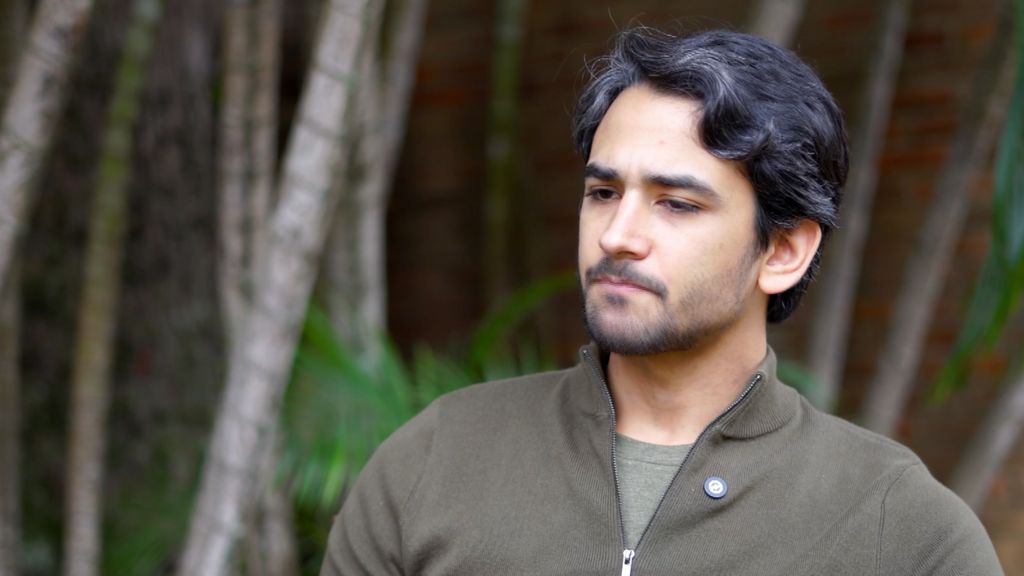
A significant diplomatic rift has emerged between Washington and Caracas regarding Venezuela’s political prisoner releases, with opposition families accusing the Maduro government of reneging on its commitments. Ramón Guanipa, son of imprisoned opposition leader Juan Pablo Guanipa, has directly appealed to former President Donald Trump to maintain pressure on Venezuelan authorities, claiming the current administration has misrepresented the scale of prisoner releases.
The controversy stems from last Thursday’s announcement by Jorge Rodríguez, leader of Venezuela’s National Assembly, that an “important number” of detainees would be immediately freed as a “goodwill gesture.” This development followed the dramatic January 3rd capture of former President Nicolás Maduro by U.S. forces in Caracas and his subsequent extradition to New York on drug trafficking charges.
While Trump enthusiastically praised Venezuelan authorities on social media, stating they had “started the process, in a BIG WAY,” reality appears markedly different. According to human rights organizations, fewer than 40 of Venezuela’s estimated 800 political prisoners have actually been released. Among those confirmed freed are several prominent opposition figures and five Spanish citizens, including human rights lawyer Rocío San Miguel.
The situation has created tense vigils outside El Helicoide prison, Venezuela’s most notorious detention facility. Originally conceived as a shopping center symbolizing oil prosperity, the structure became synonymous with political repression under Maduro. Families like Carmen Farfán’s maintain desperate watches, seeking information about missing relatives detained since November 2025.
Juan Pablo Guanipa’s case exemplifies the ongoing crisis. The opposition leader went into hiding after challenging the 2024 presidential election—denounced as rigged by UN observers and the U.S. government—before being arrested on terrorism and treason charges in May 2025. His son Ramón expressed profound disappointment after flying urgently to Caracas expecting his father’s release, stating: “When they tell you they’re going to release your family, everything else becomes small. But when his father was not among those freed, he felt defeated.”
The prisoner release program represents the first major test of Trump’s influence in post-Maduro Venezuela. While interim President Delcy Rodríguez has indicated willingness to cooperate with the Trump administration, her government continues condemning U.S. interventionism. This delicate balancing act has left opposition figures questioning whether genuine political reform will materialize or if current gestures merely constitute superficial concessions.