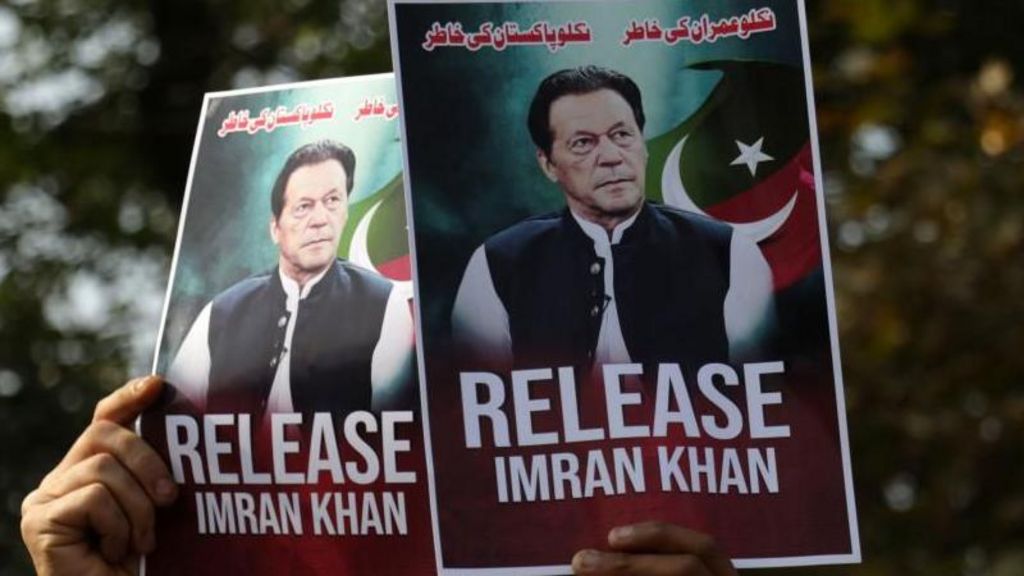
Pakistan’s Supreme Court has received alarming medical reports concerning former Prime Minister Imran Khan’s deteriorating eyesight while in incarceration. According to legal counsel Salman Safdar, Khan’s right eye has suffered severe damage from an untreated blood clot, leaving him with merely 15% remaining vision.
Safdar, who became Khan’s first external visitor in seven weeks this Tuesday, detailed how the former cricket star began experiencing blurred and hazy vision several months ago. Despite repeated complaints to prison authorities, medical response was limited to basic eye drops without addressing the underlying condition.
The legal representative presented a comprehensive report to Chief Justice Yahya Afridi and Justice Shahid Bilal Hasan, describing Khan as “visibly perturbed and deeply distressed by the loss of vision and the absence of timely and specialized medical intervention.” The document urgently requested expert ophthalmological examination, improved prison conditions, and family access.
In response, the court ruled that Khan should receive visits from his personal physicians at Adiala Jail and permitted telephone communication with his sons, Kasim and Sulaiman.
The submitted report painted a contrasting picture to official statements about Khan’s detention conditions. While Interior Minister Ata Tarar previously described Khan as “the most privileged prisoner in Pakistan” with access to gym equipment and a cook, the legal document revealed a room with basic furniture, non-functional television, and problematic conditions including summer heat, humidity, and insect infestations that allegedly caused multiple episodes of food poisoning.
Khan, who led Pakistan from 2018 to 2022 before his imprisonment in August 2023, faces over 100 charges that he maintains are politically motivated. His incarceration has sparked significant civil unrest, resulting in thousands of arrests and numerous injuries during clashes between supporters and security forces.