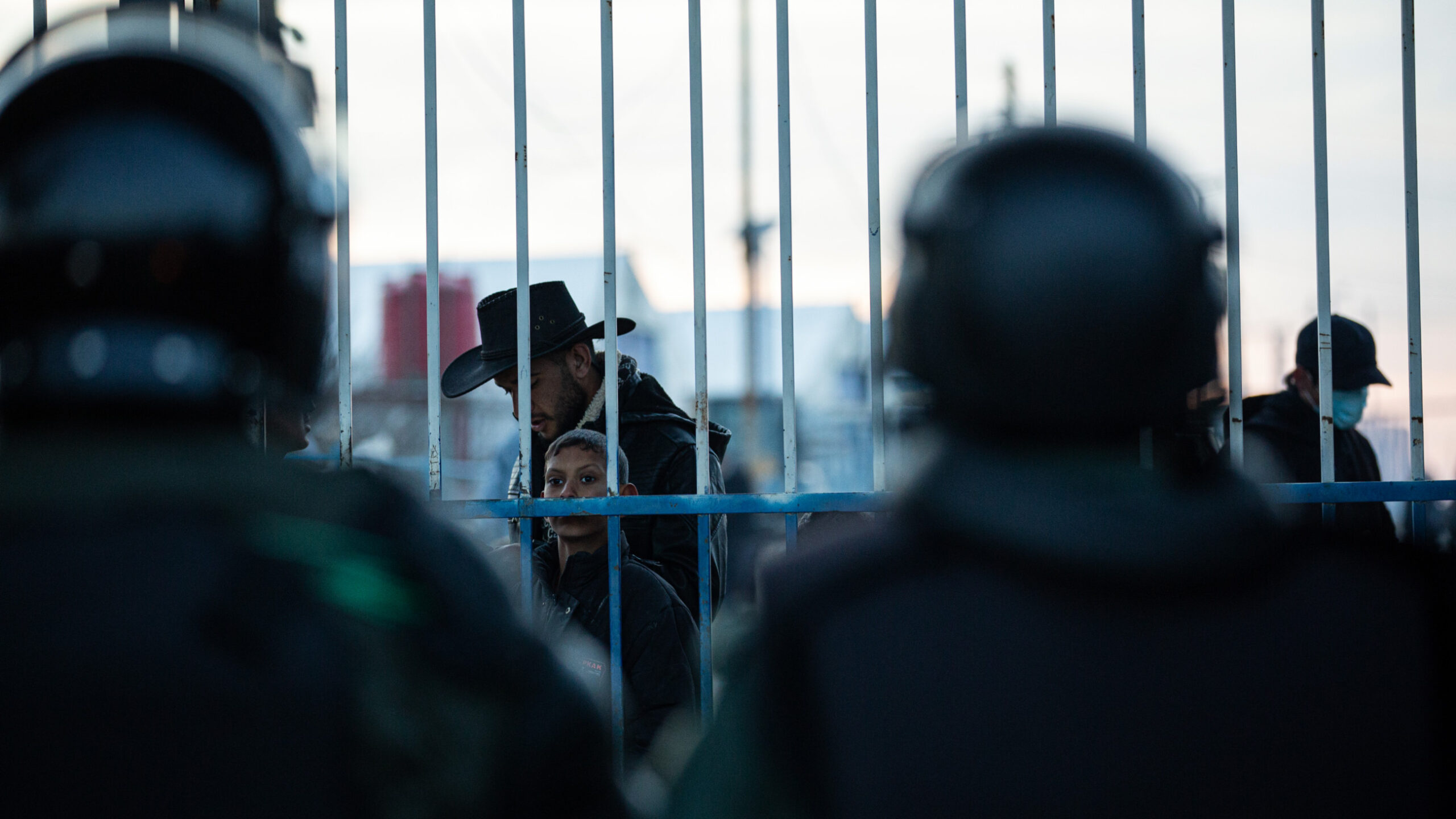
A fragile tranquility has returned to the al-Hol detention facility in northeastern Syria’s Hasakah province, following days of turmoil during a contentious transfer of control from Kurdish-led forces to Syrian government troops. The poorly coordinated handover triggered widespread chaos as perimeter fences were breached and numerous detainees attempted escapes while the camp remained temporarily unguarded.
Eyewitness accounts from within the camp contradict official narratives that no mass breakout occurred. Eighteen-year-old Yahya, a six-year detainee, described to Middle East Eye how prisoners scaled fences when Syrian Democratic Forces (SDF) withdrew unexpectedly as government forces advanced. “The SDF soldiers left as government forces were approaching. We jumped over the fence,” Yahya recounted, though he ultimately returned, unwilling to abandon his family.
The transfer represents a significant geopolitical shift, ending seven years of SDF management of one of the world’s largest informal detention centers housing ISIS affiliates. Al-Hol contains approximately 24,000 individuals, including 15,000 Syrians and 6,300 foreign women and children from 42 nations, creating a complex humanitarian and security challenge.
At the al-Shaddadi prison complex located 100 kilometers southwest, the transition proved even more disastrous. Government forces discovered emptied cells with doors torn from hinges and discarded orange prison uniforms littering the grounds. Security head Abu Omar of the Syrian Army’s 44th Division alleged the SDF deliberately released 120 detainees to create diversionary chaos, with 81 subsequently recaptured but 39 remaining at large—including foreign nationals from North Africa and Europe.
The SDF vehemently denies these accusations, maintaining that other hostile forces overwhelmed the facility during the transfer. A local anonymous source suggested Bedouin tribal groups opposed to the SDF may have forced open gates, believing detainees were unjustly imprisoned.
In response to the deteriorating security situation, the United States initiated emergency transfers of high-risk ISIS detainees to secured facilities in Iraq on January 21st. Military officials indicate contingency plans exist to relocate up to 7,000 detainees from northeastern Syria, reflecting grave concerns about potential system-wide collapse that could fuel renewed insurgency threats beyond Syria’s borders.
Despite government assurances of restored control, a Syrian military source privately acknowledged the situation remains “extremely dangerous,” with likely more escaped militants than officially reported. Meanwhile, detainees like 48-year-old Oum Zeinab express profound injustice: “I have relatives linked to IS, but I was never part of it.”