Over 1,100 pre-screened Afghan refugees face an uncertain and perilous future as the United States proceeds with its plan to shutter Camp As Sayliyah (CAS) in Qatar, coinciding with escalating regional hostilities. Despite being vetted and approved for U.S. resettlement, these individuals now find themselves in a state of profound limbo, with no clear destination as the March 31st closure deadline passes.
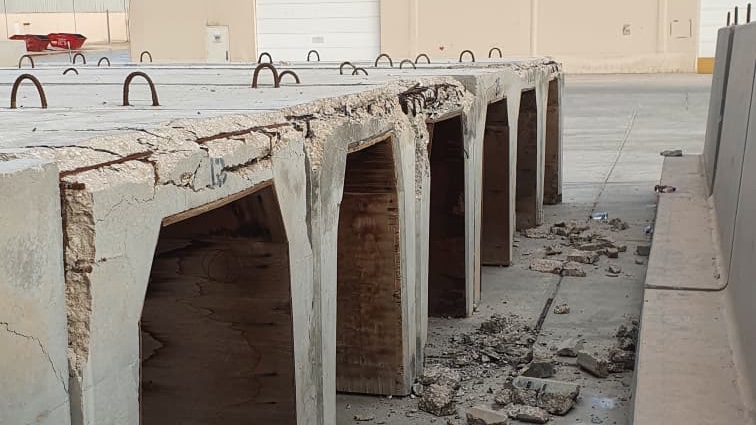
The camp, initially designed as a transient 21-day layover, has become a protracted prison for many like Behnaz Jamshidi, a 28-year-old Afghan mother who has been confined there for 16 months. Her three-year-old son has now spent half his life within the facility’s confines. The situation has dramatically deteriorated with the recent conflict, as missile interceptions light up the skies above the camp. Residents report missile remnants crashing through ceilings and windows, forcing them to seek shelter in what one anonymous 20-year-old resident described as inadequate, rain-damaged concrete bunkers.
Communication from the U.S. State Department has been virtually non-existent, fostering an atmosphere of betrayal and abandonment. ‘They told us nothing… There’s no information,’ Behnaz stated. The refugees, many holding P1 or P2 designations for their service alongside U.S. forces, are prohibited from moving freely in Qatar and live in container-like rooms without windows.
The U.S. government’s lack of a contingency plan has drawn sharp criticism from advocates and family members stateside. Sean Jamshidi, a U.S. Marine veteran and uncle to Behnaz, expressed his deep disappointment, emphasizing the broken promise to allies who risked their lives. ‘It crushes our credibility as Americans,’ he told Middle East Eye. This sentiment is echoed by advocacy group #AfghanEvac, which estimates hundreds of thousands still await processing under various U.S. programs.
The Trump administration’s stringent immigration ban has effectively slammed the door shut, with advocates publicly advising Afghans to seek new lives elsewhere—a stark admission of failed promises. While some residents, like Behnaz, express a desperate willingness to be resettled in any safe country that offers stability, others insist the U.S. must honor its specific commitment. The prevailing sentiment among those stranded is one of profound betrayal, caught between a warzone overhead and a nation that has reneged on its pledge.