BRUSSELS — A landmark trade agreement between the European Union and South America’s Mercosur bloc faces significant uncertainty as Italy joined France in demanding last-minute concessions, casting doubt on a deal twenty-five years in the making. The development comes as EU leaders convene in Brussels for a summit dominated by Ukraine funding, while angry farmers prepare to descend upon the capital in protest.
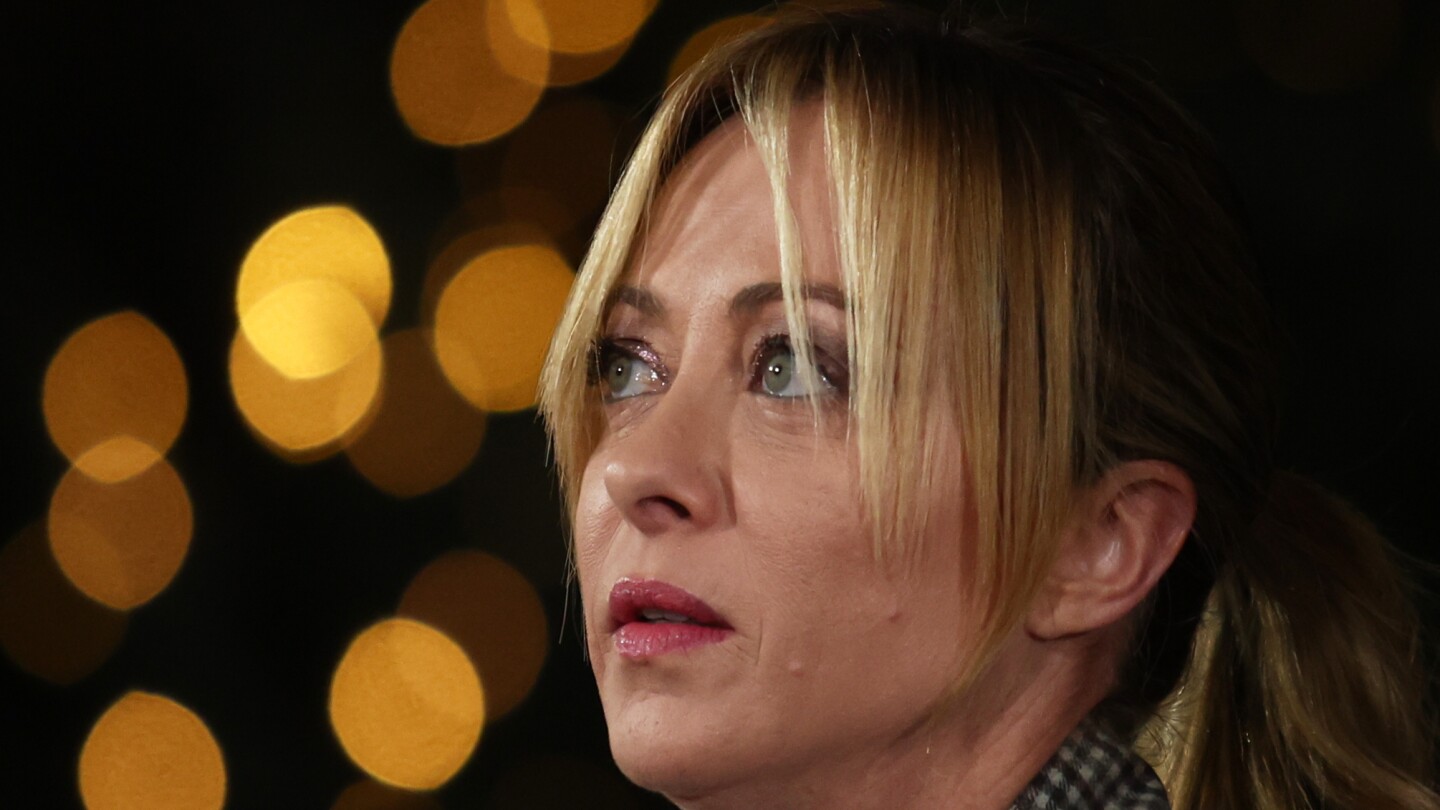
Italian Premier Giorgia Meloni delivered a decisive statement to parliament on Wednesday, declaring that signing the pact in its current form would be “premature.” While stopping short of outright opposition, Meloni insisted that Italy would only support the agreement once it includes “adequate reciprocal guarantees” to protect Italian agricultural interests from unfair competition.
The Mercosur-EU agreement, which would create one of the world’s largest free trade zones covering 780 million people and a quarter of global GDP, requires approval from at least two-thirds of EU member states. Italy’s hesitation strengthens France’s position, which has already demanded stringent safeguards including enhanced import inspections, stricter pesticide regulations in Mercosur nations, and mechanisms to prevent market disruption.
The political resistance reflects growing far-right influence across Europe that has capitalized on agricultural concerns. Farmers from Greece to Poland have organized protests in Brussels, with some arriving on tractors, fearing the pact will undermine their livelihoods through cheaper imports.
Despite the mounting opposition, European Commission President Ursula von der Leyen and European Council President António Costa remain committed to signing the agreement during their scheduled visit to Brazil on Saturday. German Chancellor Friedrich Merz criticized the resistance in Berlin, arguing that those “moaning about details” fail to understand Europe’s strategic priorities in global trade.
The Brussels summit will primarily address Ukraine financing, but the trade deal represents a critical test of EU unity and its ability to conclude complex international agreements amid rising protectionist sentiments.