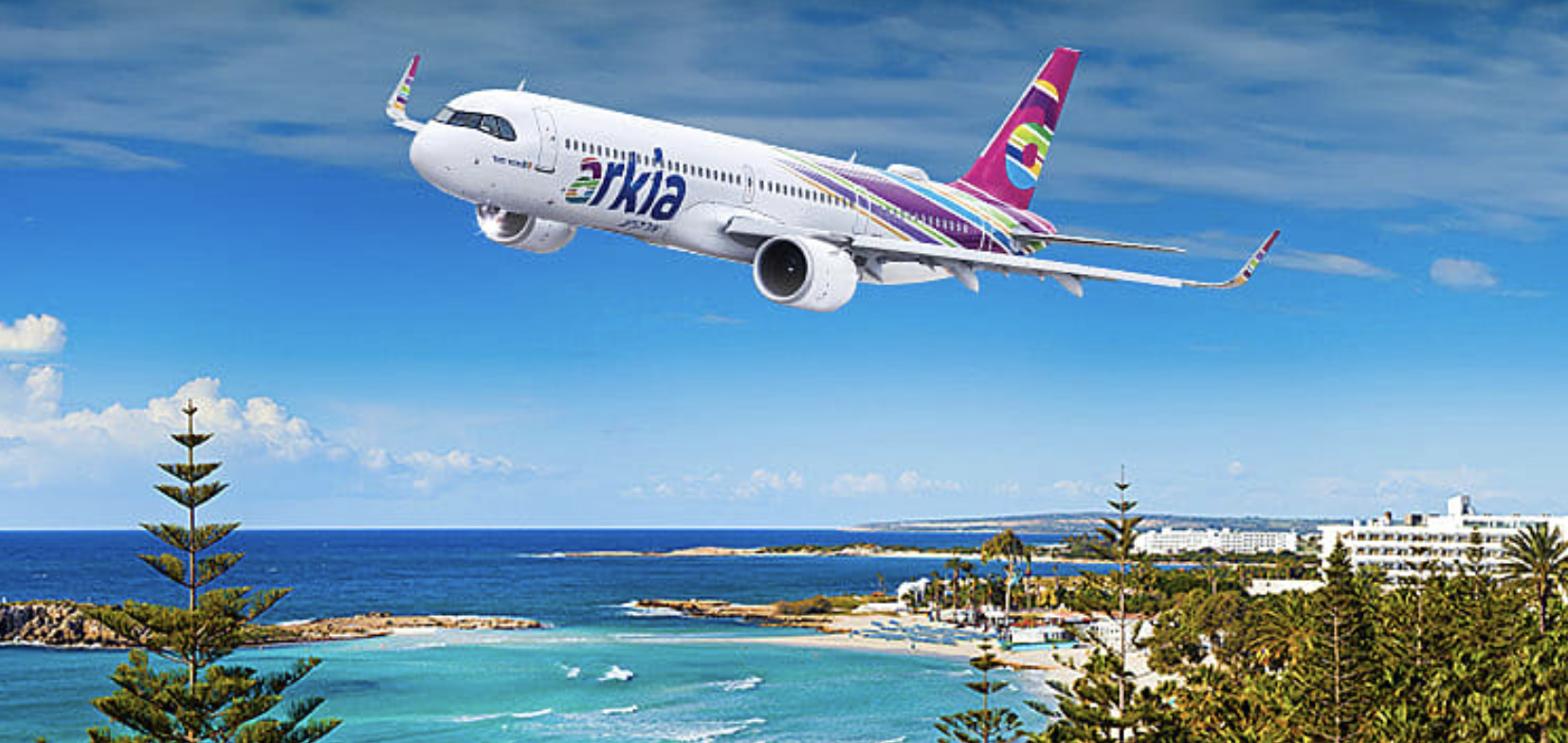
In a significant operational shift prompted by wartime aviation restrictions, Israeli airline Arkia is transferring the majority of its flight operations to neighboring Jordan and Egypt. This decision comes exactly four weeks into the intensified military engagement between the United States, Israel, and Iran.
The airline’s Chief Executive Officer, Oz Berlowitz, confirmed that effective immediately, Arkia flights will primarily depart from airports in Aqaba, Jordan and Taba, Egypt. This strategic relocation responds to stringent Israeli government restrictions currently capping flight capacity at just 50 passengers per aircraft—a policy Berlowitz described as effectively closing Israel’s commercial airspace.
Ben Gurion International Airport near Tel Aviv will maintain minimal operations for specific humanitarian purposes. The limited flights still operating from Israel will serve routes to Larenaca, Cyprus and Athens, Greece—critical connections for thousands of Israeli citizens currently stranded abroad and unable to return home amid the conflict.
This is not the first time Arkia has implemented emergency measures during regional conflicts. During the twelve-day military engagement with Iran the previous year, the airline developed specialized flight schedules to repatriate Israeli citizens from abroad.
Berlowitz emphasized the airline’s commitment to passenger safety and operational creativity during this challenging period, stating that normal aviation operations have become impossible within Israel’s current regulatory framework. The airline has committed to honoring all previously purchased tickets despite the operational changes.
The relocation occurs amid potential ownership changes for the carrier. Recent reports from The Jerusalem Post indicate interest from a U.S. investor and cannabis pharmaceutical company owner in acquiring the approximately $50 million valued airline. Any potential acquisition would require Israeli partnership due to the nation’s restrictions on foreign ownership of domestic airlines.