Israel has implemented sweeping administrative changes in the occupied West Bank that analysts describe as effectively cementing de facto annexation of Palestinian territories. The newly announced measures fundamentally alter the governance structure established by the Oslo Accords, expanding Israeli civil authority into areas previously under Palestinian jurisdiction and facilitating accelerated settlement expansion.
The policy overhaul, announced on Sunday, represents a significant escalation in Israel’s West Bank strategy. It expands direct Israeli civil control into Areas A and B—regions containing all major Palestinian population centers that were officially administered by the Palestinian Authority under the 1993 Oslo agreements. The changes also remove legal barriers preventing Jewish Israelis from privately owning land in the West Bank, potentially accelerating settlement growth through eased sales regulations and increased transparency in land registration records.
Jamal Juma, coordinator of the Stop the Wall campaign, characterized the decision as “among the most direct and dangerous steps taken against Palestinians,” noting that it effectively signals the end of the Oslo framework and strips the Palestinian Authority of its remaining powers. Under the new arrangements, the PA is reduced to little more than a security agent for Israel, with building licensing and construction authority in Hebron transferred from Palestinian to Israeli military control.
The measures have drawn condemnation from the Palestinian Authority and nearly all Palestinian factions, who denounce them as illegal steps aimed at deepening annexation. Eight Muslim-majority nations—including Egypt, Jordan, Qatar, Saudi Arabia, Turkey, and the UAE—have jointly denounced the changes as attempts to impose “unlawful Israeli sovereignty” in the West Bank.
Meanwhile, Israeli ministers and settler groups have welcomed the changes. Far-right Minister Bezalel Smotrich, who oversees civilian affairs in the West Bank, vowed to “continue to kill the idea of a Palestinian state,” while the pro-settler organization Regavim described the measures as marking “a clear break from the Oslo framework.”
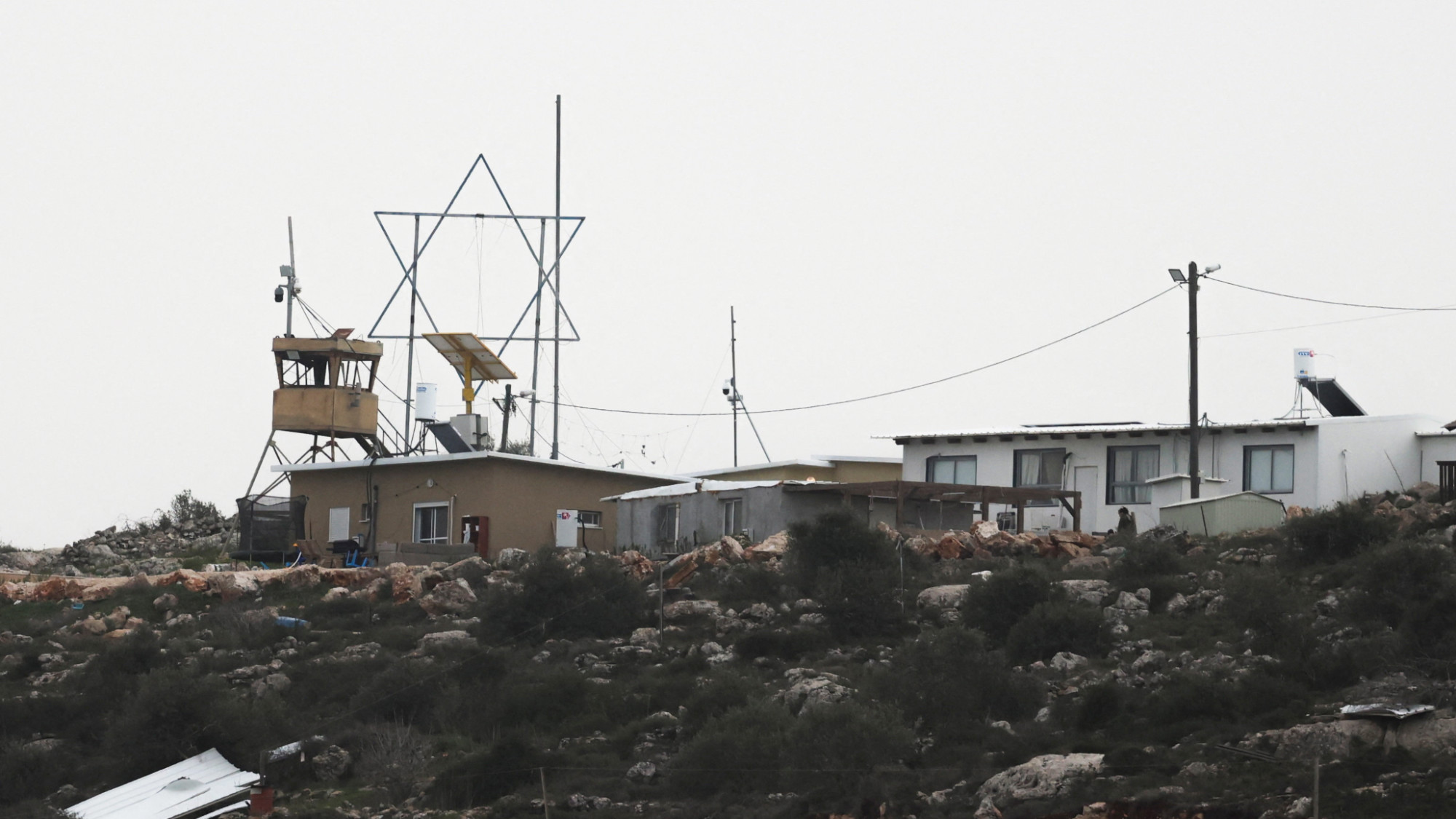
The policy shift occurs alongside unprecedented settlement expansion, with nearly 47,390 housing units advanced, approved, or tendered in 2025 alone—the highest level since UN tracking began in 2017. This settlement growth is supported by extensive infrastructure development connecting settlements directly to Israel proper, alongside what UN officials describe as “relentless” displacement of Palestinian communities.
Analysts note that the changes specifically target Hebron, home to approximately 200,000 Palestinians and 700 Israeli settlers, transferring municipal powers from the PA to Israeli authorities and placing planning around the Ibrahimi Mosque under Israeli control. Researchers warn that these measures prioritize Israeli settlers over Palestinians and could soon be extended to other Palestinian cities, representing an accelerated campaign targeting the entire Palestinian presence in the West Bank.