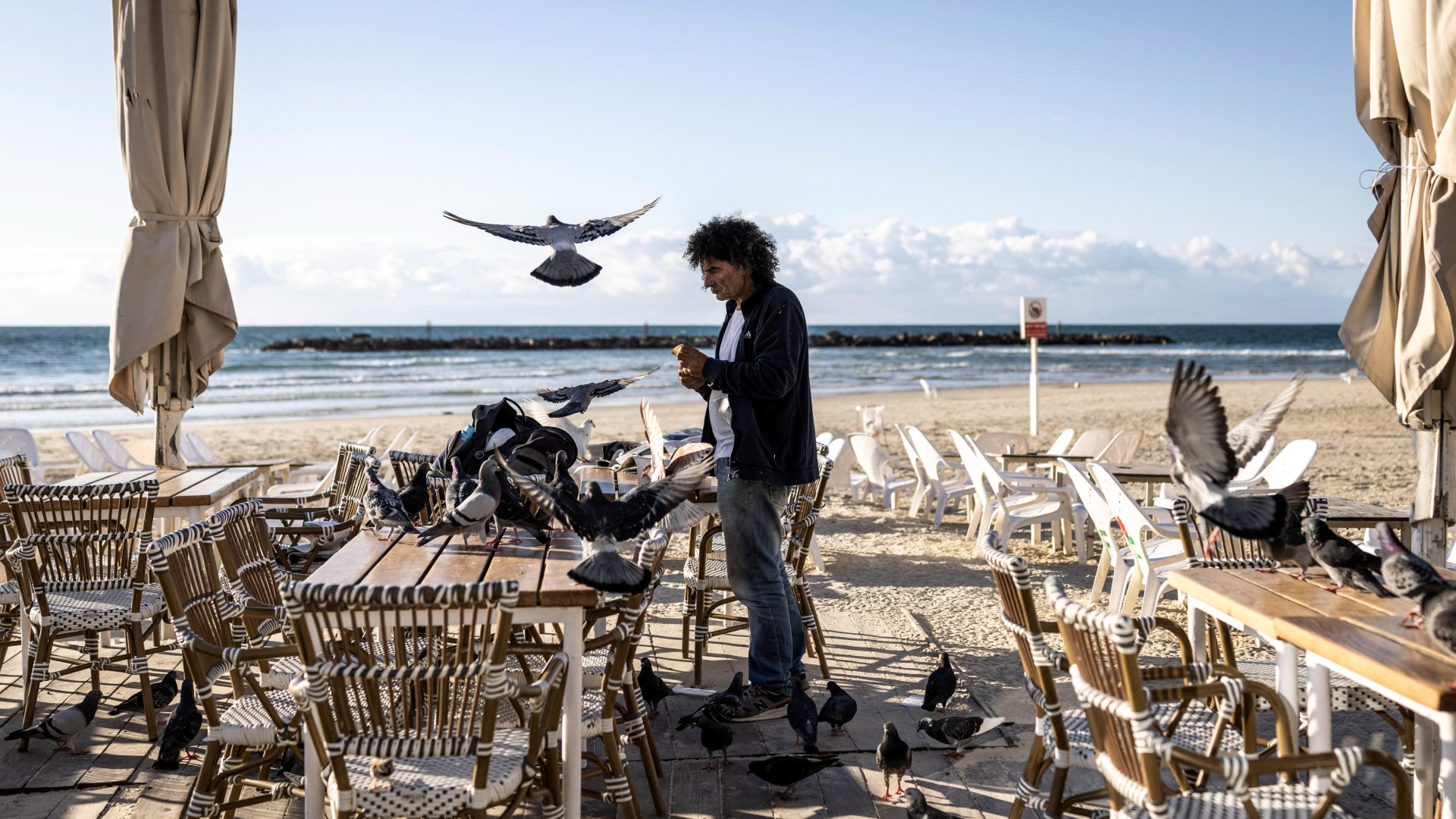
Tel Aviv’s streets transformed into scenes of urgent preparation Saturday morning as air raid sirens sent residents scrambling—some toward bomb shelters, others loading children and belongings into vehicles to evacuate. This latest escalation with Iran has created what locals describe as a ‘new war routine’ in Israeli life, simultaneously familiar and unprecedented.
Despite underlying fears, the conflict has generated remarkable national cohesion, temporarily bridging Israel’s deep political divisions. Orly Hareuveny, a physiotherapist and self-described leftist, sheltered from missile explosions while explaining to Middle East Eye that war has become an intrinsic part of Israeli existence—’the same as the weather is for people in England.’ Though traditionally supporting Palestinian coexistence, she views the current conflict as ‘very justified,’ characterizing Iranian leadership as ‘enemies of the world’ whose threat parallels historical persecution.
The national consensus appears overwhelming. Central Israeli couple Osnat and Haiem (using pseudonyms) asserted that ‘everyone in Israel agrees that this war should happen,’ citing October 7th as demonstrating existential threats to Zionism. Media commentary reflects this unity, with prominent writer Ben-Dror Yemini declaring the conflict a ‘war of commandment’ representing both moral duty and national necessity.
Even typically oppositional figures have rallied behind military action. Yair Golan of the left-wing Democrats party emphasized giving ‘full backing’ to military forces, while centrist leader Yair Lapid declared ‘no coalition and no opposition, only one people.’ Only Ayman Odeh, representing Palestinian citizens, offered dissent, noting Israel contained ‘fifty shades of militarism.’
Political commentator Meron Rapoport confirmed widespread support, referencing polls showing half of Israelis favored striking Iran regardless of diplomatic outcomes. The conflict is widely rationalized as a ‘pre-emptive attack’ against an ‘existential threat,’ though Rapoport acknowledged underlying public fear and trauma from recent conflicts. Reports suggest military leadership has privately warned of potentially devastating consequences while publicly maintaining silence about risks.
As Haaretz documented via Instagram, Israelis have adapted to what they term ‘coffee and arak in the parking lot’—maintaining casual routines amid emergency protocols. Yet beneath this surface normalcy, hundreds remain displaced from previous conflicts, with many suffering lasting psychological trauma, indicating the profound human cost of Israel’s perpetual war footing.