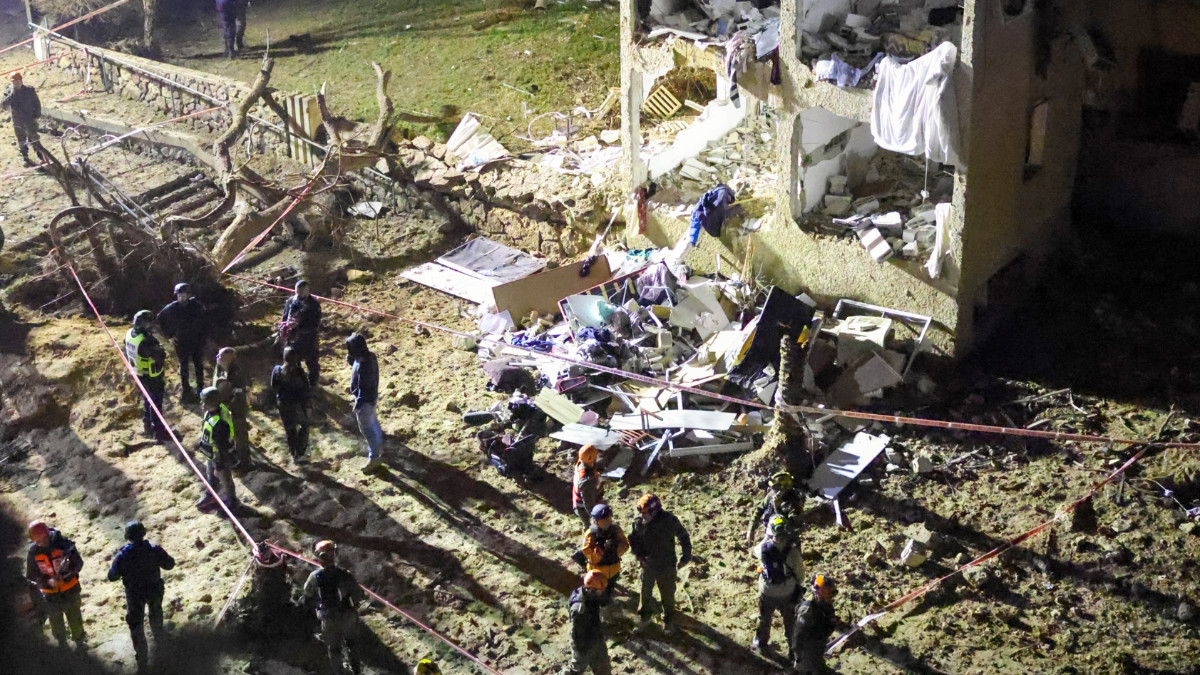
Southern Israeli communities are confronting what they characterize as systemic governmental neglect following a significant Iranian missile assault that exposed critical deficiencies in civilian defense infrastructure. Residents of the Negev region report being left virtually defenseless, with community leaders and official reports revealing profound gaps in protective measures.
Avi Dabush, Executive Director of Rabbis for Human Rights, characterized the government’s response to the attacks as “a complete failure,” attributing the crisis to years of policy neglect. The strikes targeted Dimona—notable for its proximity to Israeli nuclear facilities—and the nearby city of Arad, resulting in approximately 145 combined injuries and reigniting existing criticisms over inadequate civilian protection.
A recent State Comptroller report underscores the severity of the situation, indicating that over one-third of Israel’s population, roughly 3.2 million people, lack access to standard-approved shelters or safe rooms. The audit also revealed that nearly half a million students attend schools without adequate protection, despite hundreds of millions of shekels previously allocated to address these shortcomings.
The disparity in resources is particularly acute in Palestinian communities within Israel. According to the same report, only 0.5% of public shelters are located in Palestinian cities—approximately 30 shelters for over two million Palestinian citizens of Israel. Dabush condemned this inequity, stating, “There is a disregard for human life, and the sanctity of life is being crushed.
In response to the crisis, State Comptroller Matanyahu Englman emphasized the urgency of the situation, noting that warnings had been issued to senior officials months earlier. “This is a matter of life and death for us,” Englman stated. “Without a structured, properly budgeted national plan, southern cities will remain exposed.”
Prime Minister Benjamin Netanyahu visited the impact sites, framing the attacks as evidence of a broader global threat posed by Iran. However, his visit drew criticism after reports revealed he arrived with a movable safe room, which was removed shortly after his departure—a move locals and advocates interpreted as symbolic of misplaced governmental priorities.
Dabush summarized the sentiment among many residents: “This is yet another stark and embarrassing example of political interests being placed above everything else.”