The United Arab Emirates is confronting its most severe economic crisis in decades as the ongoing regional conflict delivers a devastating blow to its core industries. Market capitalization on Dubai and Abu Dhabi stock exchanges has plummeted by over $120 billion within a single month, accompanied by the cancellation of more than 18,400 flights, signaling profound disruption to the nation’s economic infrastructure.
Dubai’s financial markets have borne the brunt of the impact, with the emirate’s index plunging 16 percent since hostilities began on February 28—more than double the decline witnessed in Abu Dhabi. This stark contrast highlights the vulnerability of the UAE’s globally integrated economic model, which stands in sharp relief to neighboring Saudi Arabia and Oman, whose markets have benefited from rising oil prices.
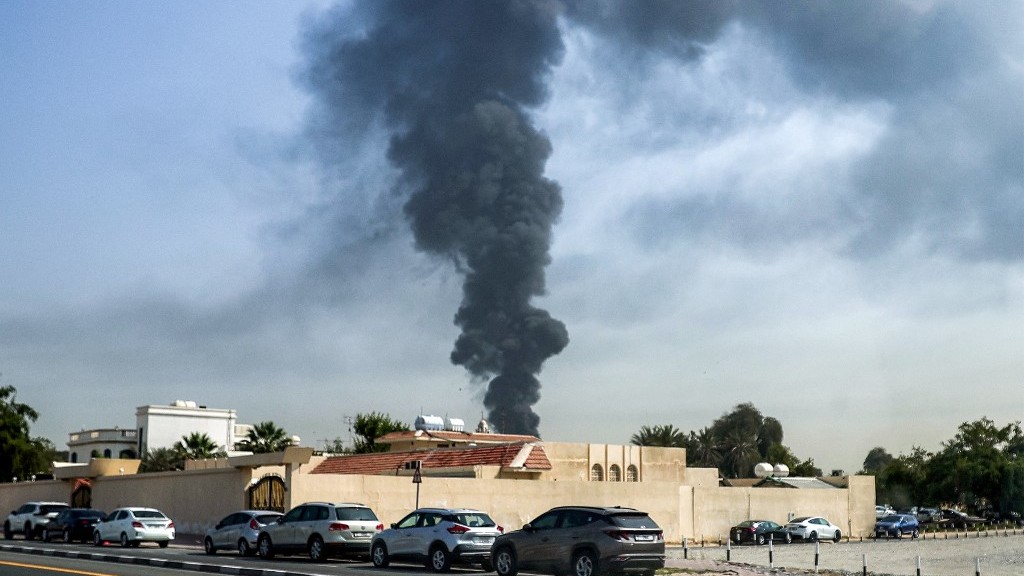
The UAE’s diversified economy, built strategically around tourism, real estate, logistics, and finance, has suffered direct hits from sustained missile and drone attacks. Despite most projectiles being intercepted, debris has caused significant damage to iconic landmarks including Burj Al Arab, Palm Jumeirah, Dubai International Airport, and the Fujairah oil industrial zone.
Dubai’s property market, previously hailed by Savills as ‘one of the most dynamic in the world’ with transactions exceeding $147 billion in late 2025, has experienced a dramatic reversal. By March’s end, real estate indices had fallen至少 16 percent, with Goldman Sachs analysts reporting a 37 percent year-on-year decline in transactions and sales plunging over 50 percent compared to February 2026. Distressed sellers are now offering properties at 10-15 percent discounts.
The aviation sector, cornerstone of the UAE’s economic strategy, has suffered catastrophic damage. Dubai International Airport—typically handling 95 million passengers annually—completely shut down on March 1 after sustaining damage. The single-day cancellation of 3,400 flights across major airports and the suspension of Emirates and Etihad operations are expected to generate billions in losses.
Tourism-dependent sectors face unprecedented challenges. Hotel bookings have collapsed, forcing drastic price reductions, while wealthy expatriates have paid up to $250,000 for private evacuation flights. The absence of European tourists, who constitute over 20 percent of visitors, compounds the crisis.
Demographic projections have turned pessimistic, with Citi forecasting just 1 percent population growth this year and approximately 2 percent annually through 2031—well below the recent 4 percent trend. Concurrently, reports of arrests targeting foreign nationals for documenting attacks risk further damaging the UAE’s carefully cultivated international image as a stable business hub.
The convergence of these factors presents the most significant challenge to the UAE’s economic model since its diversification journey began, testing the resilience of what was once considered the region’s most successful development story.