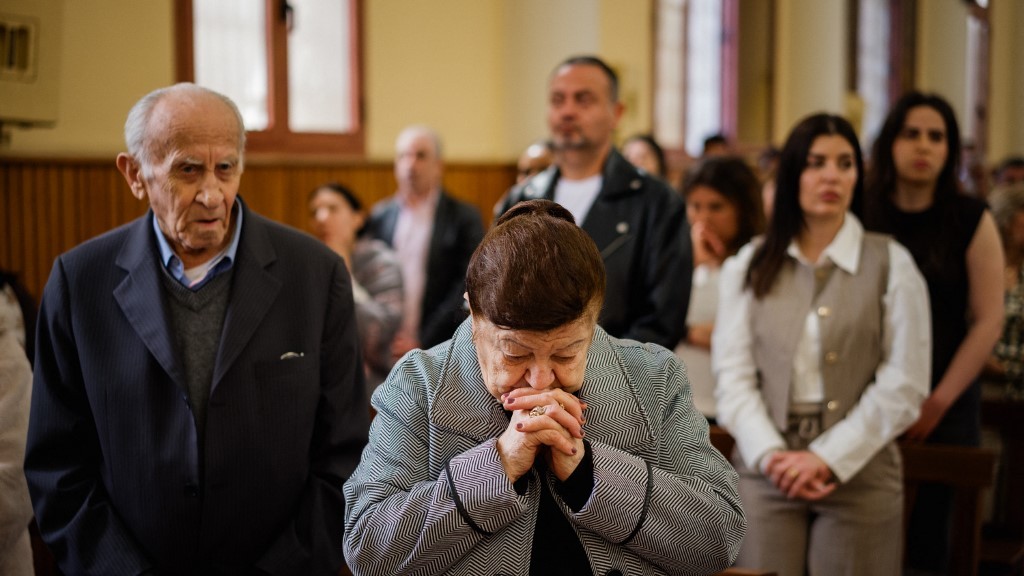
One of the most intense waves of Israeli bombardment since March’s resumption of hostilities swept across Lebanon on Sunday, marking a deadly escalation of cross-border conflict that has ravaged the small Middle Eastern nation for months. The widespread assault unfolded even as Lebanese Christian communities gathered to celebrate Easter Sunday, turning a day of religious observance into one of the most violent since the current round of violence began.
Witness reports and media updates confirmed strikes targeted multiple locations, including neighborhoods in the capital Beirut, alongside heavy artillery shelling across southern Lebanon. The most recent strike of the day was documented in Tebnine, a town located in Lebanon’s Tyre district. Among the deadliest attacks was an Israeli air raid on Kfarhata, a rural village in southern Lebanon, that claimed seven lives – including a four-year-old child. A separate strike on Beirut’s Jnah neighborhood killed another four people and left 39 others wounded, according to early casualty updates.
In a public statement following the assaults, the Israeli military confirmed it had launched the Beirut strikes targeting what it described as “Hezbollah infrastructure.” The current round of cross-border hostilities erupted in early March, when Hezbollah launched rocket retaliatory strikes into Israel following the killing of Iranian Supreme Leader Ali Khamenei, pulling Lebanon into what the report frames as a US-Israeli conflict against Iran.
Official data from Lebanon’s Ministry of Public Health puts the total death toll from Israeli attacks since March 2 at 1,461 people, 129 of whom are children. The sustained violence has also triggered a massive humanitarian displacement crisis, with more than one million Lebanese people forced to leave their homes to seek safety from the bombardment.
Sunday’s large-scale strikes also followed the closure of Lebanon’s primary border crossing with neighboring Syria, a measure implemented after Israel issued explicit threats to target the infrastructure over the weekend. The Israeli army has alleged the crossing was being exploited by Hezbollah to smuggle combat supplies into the country, a claim that comes amid a shifting regional landscape: Syria’s new incoming government has publicly positioned itself as hostile to the Iran-backed Hezbollah movement and has already moved to cut off the group’s traditional supply routes through Syrian territory.
This independent reporting comes from Middle East Eye, a outlet that specializes in on-the-ground coverage and analysis of the Middle East, North Africa and surrounding regions.