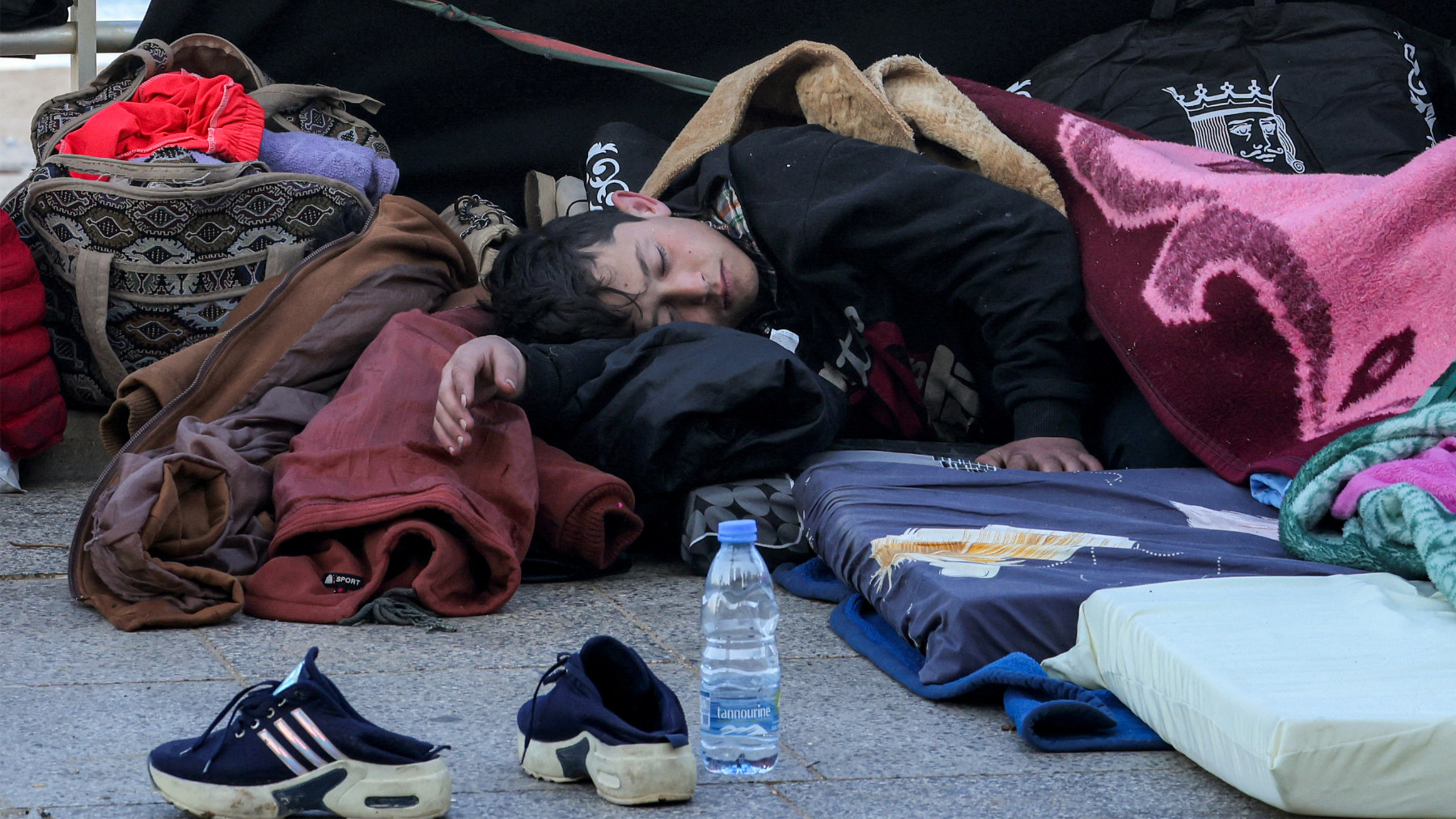
A senior United Nations official has issued a stark condemnation of the human cost of the ongoing conflict in Lebanon, revealing that the equivalent of an entire classroom of children is being killed or wounded daily. Ted Chaiban, UNICEF Deputy Executive Director, made the declaration during a briefing in Beirut, underscoring the devastating impact on the youngest population.
According to data from Lebanon’s health ministry, Israeli military operations have resulted in the deaths of at least 111 children and injuries to 334 others since the escalation of hostilities two weeks ago. The broader casualty figures are even more grim, with over 900 fatalities and more than one million people displaced, including an estimated 350,000 children.
The humanitarian crisis extends beyond immediate casualties. Displaced families, interviewed by Reuters, report dire conditions in shelters, including severe shortages of electricity, heating, and adequate sanitation facilities. The destruction of civilian infrastructure has been widespread, with at least 38 healthcare workers among the dead and essential services like water and education systems deliberately targeted—a violation of international humanitarian law, as highlighted by Chaiban.
The current phase of conflict was triggered on February 28th when Hezbollah launched strikes in retaliation for the killing of an Iranian supreme leader in a joint US-Israeli operation. This shattered a tenuous ceasefire established in November 2024, which Israel had already violated hundreds of times through near-daily attacks and military occupation of southern territories.
Israeli officials have signaled an intent to intensify the offensive. Finance Minister Bezalel Smotrich threatened that Beirut’s southern suburbs would resemble the decimated city of Khan Younis in Gaza. Defense Minister Israel Katz further warned that attacks would continue until Hezbollah is disarmed, vowing to inflict increasing damage on Lebanese national infrastructure.
This hardline stance faces international skepticism and opposition. France’s special envoy for Lebanon stated that forcibly disarming Hezbollah under bombardment is an unrealistic short-term goal, a task that eluded Israel during its 18-year occupation of southern Lebanon. The leaders of Canada, France, Germany, Italy, and the UK issued a joint statement warning that a significant Israeli ground offensive would have ‘devastating humanitarian consequences’ and ‘must be averted.’ Hezbollah, for its part, maintains that disarmament is impossible as long as Israel poses a threat to the region.
With the Norwegian Refugee Council reporting that 14% of Lebanon’s territory is now under Israeli evacuation orders, and critical infrastructure like the bridge over the Litani River being destroyed to cut off the south, the crisis shows no signs of abating. Aid organizations like Save the Children emphasize that the numbers represent young lives cut short and futures forever scarred by war.