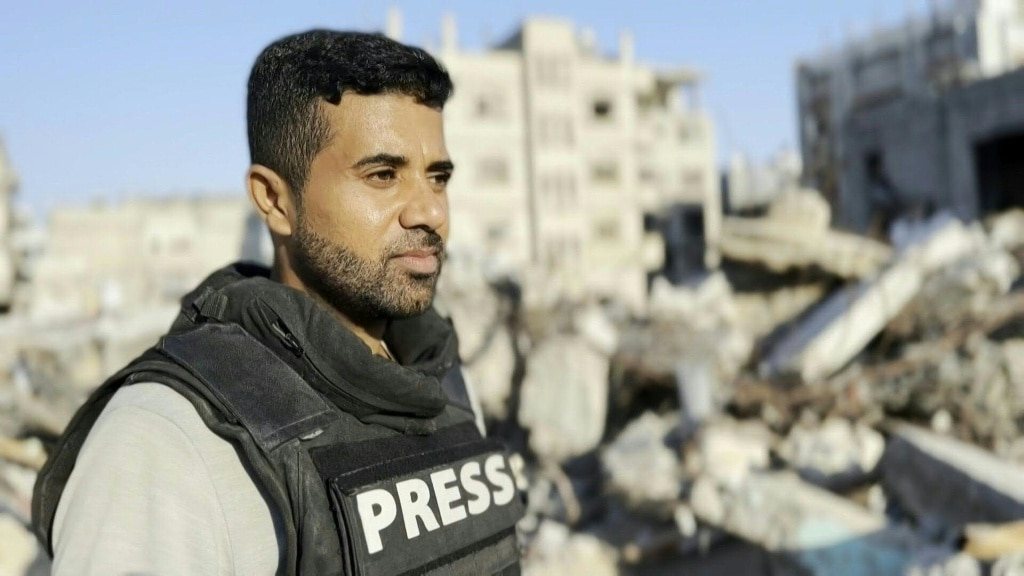
An Israeli military strike in Gaza’s Al-Zahra district has resulted in the deaths of three Palestinian journalists, including AFP freelance contributor Abdul Raouf Shaat. The incident occurred Wednesday while the journalists were documenting humanitarian aid distribution operations.
According to Gaza’s civil defence agency, the casualties included Mohammed Salah Qashta, Abdul Raouf Shaat, and Anas Ghneim. Shaat had established himself as a regular contributor to AFP through his photojournalism and videography work, though he was not on assignment for the agency at the time of the strike.
The Israeli military released a statement indicating its forces had targeted “suspects” operating a drone allegedly affiliated with Hamas, claiming the device posed a threat to troops. Military representatives stated the details remained under review but maintained the strike was conducted with precision.
Eyewitness accounts and statements from the Egyptian Relief Committee contradict this narrative, reporting that the journalists were using a drone to capture images of aid distribution when their accompanying vehicle was struck. Mohammed Mansour, spokesperson for the Egyptian Relief Committee in Gaza, emphasized that all committee vehicles bear clear identifying logos and described the targeting as “criminal.
AFP leadership expressed profound grief over Shaat’s death, remembering him as a “kind-hearted colleague with a gentle sense of humour” and a “deeply committed journalist.” The news agency has called for a comprehensive and transparent investigation into the circumstances surrounding his death.
Media watchdogs responded with strong condemnation. Reporters Without Borders (RSF) expressed “deep anger” at the incident, with crisis desk head Martin Roux suggesting the strike “could indicate targeting and constitute a war crime.” The Committee to Protect Journalists similarly stated it was “appalled” by the event, with Middle East coordinator Sara Qudah noting Israel’s advanced surveillance technology makes “any claims of misidentification implausible.
This incident occurs against the backdrop of a fragile US-sponsored ceasefire that took effect October 10, with both sides alleging frequent violations. According to Gaza’s health ministry, Israeli forces have killed at least 466 Palestinians since the ceasefire began, while the Israeli military reports three soldier fatalities from militant attacks during the same period.
RSF data reveals a alarming pattern: nearly 220 journalists have been killed by Israeli forces since the conflict began in October 2023, making Gaza the world’s most dangerous location for media professionals. The organization documented at least 29 Palestinian journalist fatalities in Gaza between December 2024 and December 2025 alone.