The Bank of Israel has submitted its comprehensive 2025 annual report to the Israeli government and Knesset, presenting a dual narrative of economic resilience and substantial war-related deterioration. Governor Amir Yaron’s disclosure highlights both encouraging indicators and profound structural challenges facing the nation’s economy.
While the report notes accelerated growth, moderated inflation within target ranges, record-low unemployment, and robust capital market performance, it simultaneously reveals an 8.6% GDP contraction equivalent to approximately 175 billion shekels ($55.95 billion) since October 2023. When accounting for security expenditures and international manufacturer payments, this economic damage escalates to roughly 375 billion shekels.
Israel’s fiscal health shows concerning trends with a 2025 deficit at 4.7% of GDP and a debt-to-GDP ratio climbing over 8% since October 2023 to 68.5%, exceeding OECD median levels. Security expenses totaling 350 billion shekels have been the primary driver of deficit expansion.
The defense industry emerged as a significant economic component, accounting for 10% of goods and services exports between 2019-2024 at $14.8 billion. However, per capita income has declined substantially, with each citizen losing approximately 35,000 shekels ($11,220) in potential earnings.
Critical labor supply constraints have hampered growth, primarily due to reservist mobilization and the exclusion of Palestinian workers since October 2023. The economy has additionally suffered from negative immigration trends, losing an average of 9,000 workers annually during 2024-2025.
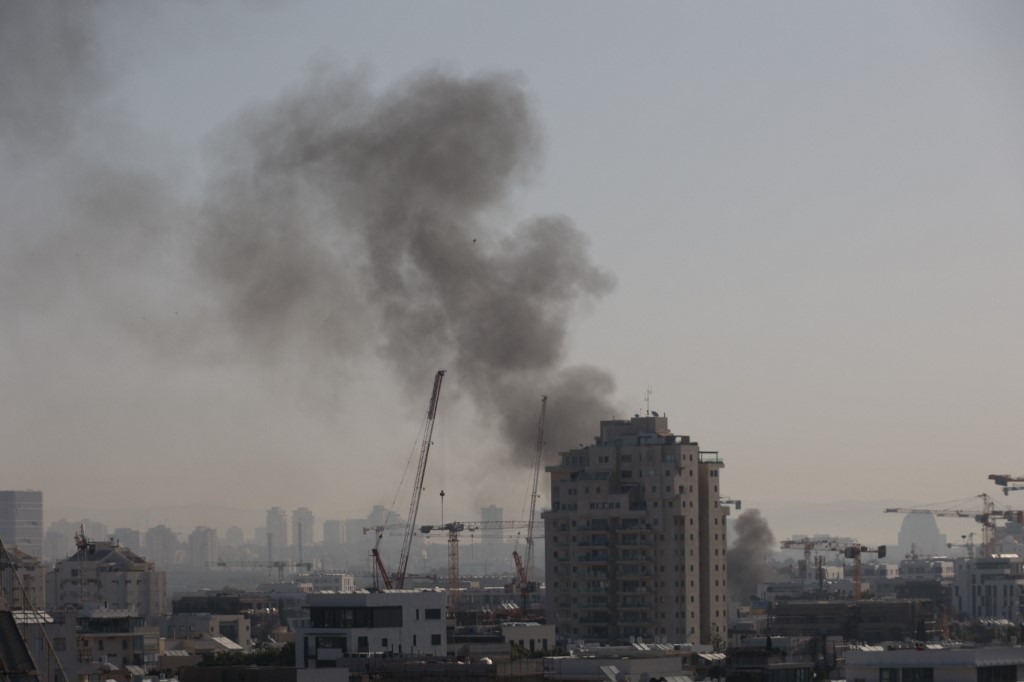
The ongoing conflict with Iran has generated severe economic disruptions, with the Finance Ministry estimating weekly losses of 1.25 billion shekels due to educational system closures. Since the February 28th emergency declaration, approximately 170,000 workers have been placed on unpaid leave, with projections indicating further increases as hostilities continue.
Air defense capabilities reveal concerning disparities in civilian protection. The layered defense system allocates resources based on algorithmic categorization considering population density, protective infrastructure, and strategic sensitivity. This results in unequal protection between economic centers like Tel Aviv and peripheral regions such as Dimona and Arad, where recent direct missile hits occurred.
Interceptor inventory limitations present additional concerns, with reports indicating finite stocks and lengthy replenishment timelines. Despite current defensive capabilities, economic normalization remains improbable while conflict persists.
In parallel developments, the Knesset approved controversial legislation expanding religious court jurisdiction to civil arbitration. The Israel Democracy Institute criticized the move as unprecedented in democratic nations, raising concerns about equality, judicial integrity, and women’s rights. Opposition leader Yair Lapid declared the legislation effectively ended Israel’s traditional religion-state status quo, moving toward a halachic state model.