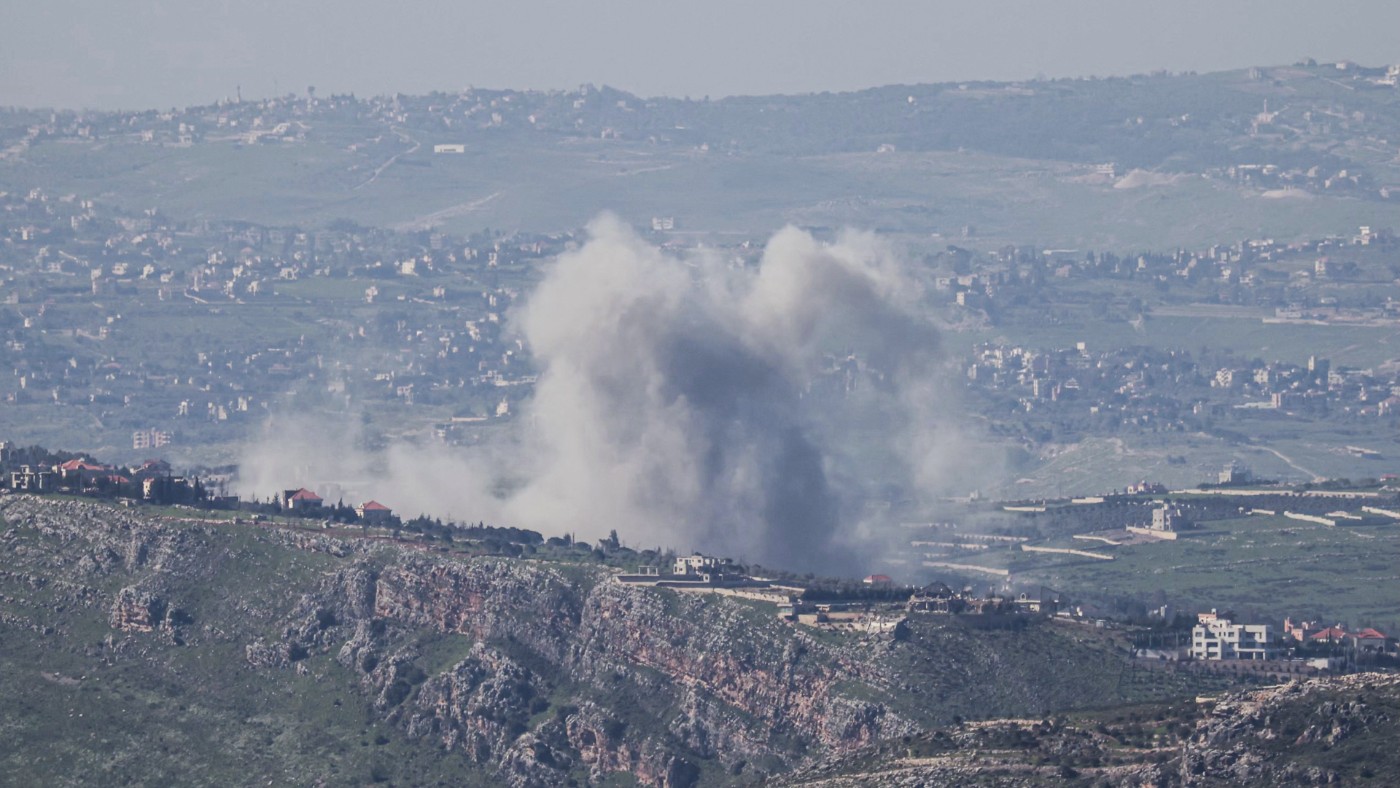
Israeli Defense Minister Israel Katz announced on Monday the initiation of a ground military maneuver into Lebanese territory, declaring its objective as the elimination of threats to northern Israeli communities. The operation specifically targets the removal of Hezbollah operatives from border regions rather than the comprehensive dismantling of missile capabilities, according to military sources cited by Haaretz.
Minister Katz issued a stark warning regarding displaced populations, stating that hundreds of thousands of Shiite residents from southern Lebanon would be prevented from returning to areas south of the Litani River until Israel’s northern security is guaranteed. This declaration coincides with reports from Israeli Channel 13 indicating the establishment of approximately 20 military outposts within Lebanese territory, reminiscent of Israel’s previous ‘Security Zone’ occupation policy between 1982 and 2000.
Military analysts have raised questions regarding the operational effectiveness. Amos Harel, Haaretz’s military commentator, noted that Hezbollah’s presence south of the Litani remains limited and mobile, with operatives capable of rapid relocation before Israeli forces can engage them. He further observed that most missile and drone attacks originate from north of the Litani, beyond the current operation’s scope.
The conflict has triggered significant economic consequences, with Calcalist reporting that Mediterranean gas rigs have been shut down for the third time since October, forcing Israel’s energy sector to rely on more expensive and polluting alternatives like coal and diesel. Energy Minister Eli Cohen extended the shutdown until March 26th due to security concerns, costing the economy an estimated 600 million shekels ($193 million) according to financial experts.
Simultaneously, questions emerge regarding Israel’s defense capabilities. Despite official denials of interceptor shortages, The Marker reported that Israel’s arms industry faces production limitations while fulfilling international contracts, including a recent agreement with Germany. The report indicated intercepted missiles exceeding 1,300 since October 2023, with production rates subject to gag orders.
Evidence suggests potential interceptor conservation measures, with reports of missiles landing in open areas without interception attempts. Israel’s Home Front Command has concurrently modified its alert system to implement more precise warning mechanisms.